The AI Boom Has Entered Its 'Wait, Is This Worth It?' Era
The Shift from Hype to Scrutiny
The whirlwind of artificial intelligence (AI) has captivated industries worldwide, promising unprecedented efficiency, innovation, and competitive advantage. For a period, the narrative was dominated by the sheer potential and rapid advancements. However, the AI boom has now entered a more pragmatic phase, often characterized by the question: 'Wait, is this worth it?' This isn't a sign of AI's failure, but rather its maturation. Businesses are moving beyond initial experimentation and are increasingly demanding demonstrable return on investment (ROI) for their AI initiatives. The focus has shifted from broad enthusiasm to a critical evaluation of tangible business outcomes.
Why the 'Wait, Is This Worth It?' Question is Arising
Several factors are contributing to this critical re-evaluation of AI investments. The initial excitement often overshadowed the significant costs associated with AI implementation, including data infrastructure, specialized talent, and ongoing maintenance. Furthermore, early AI projects, while innovative, may not have fully met the high expectations set by the hype, leading to a gap between perceived potential and actual delivered value. Businesses are now asking how to measure AI ROI effectively, moving beyond vanity metrics to focus on quantifiable business value. The challenges of AI implementation are also becoming more apparent, from data quality issues to the complexities of integrating AI into existing workflows. As AI adoption becomes more widespread, the pressure to justify these investments with concrete results intensifies.
The Maturation of AI Adoption
Early adopters often explored AI for its novelty and potential to disrupt. Now, the market is seeing a shift towards more strategic, problem-solving applications. This maturation means businesses are looking for AI solutions that directly address specific pain points or unlock new revenue streams, rather than adopting AI for AI's sake.
The Demand for Quantifiable Outcomes
In today's economic climate, every technology investment must pass a rigorous cost-benefit analysis. AI is no exception. The demand for quantifiable business outcomes from technology investments means that AI projects must clearly articulate and deliver on their promised value, whether that's increased revenue, reduced costs, or improved customer satisfaction.
The Shift to Specific, Problem-Solving Applications
The era of broad AI enthusiasm is giving way to a more nuanced approach. Companies are increasingly focusing on specific AI applications that solve well-defined business problems. This targeted approach is more likely to yield measurable results and justify the investment. This can also lead to the rise of agentic AI, where intelligent agents perform tasks autonomously, potentially transforming how work is done and enabling new business models, as explored in Google Declares the Agentic Gemini Era.
Defining and Measuring AI ROI
Calculating the ROI of AI projects requires a clear understanding of what constitutes meaningful business value. It's not just about the number of AI models developed or the amount of data processed. True AI ROI is measured by its impact on key business objectives. This involves moving beyond superficial metrics and focusing on outcomes that directly affect the bottom line or strategic goals.
What Constitutes Meaningful ROI?
Meaningful ROI for AI goes beyond simple cost savings. It can include:
Increased Revenue: Through personalized marketing, optimized pricing, or new product/service offerings.
Reduced Operational Costs: Via process automation, predictive maintenance, or optimized resource allocation.
Enhanced Customer Experience: Leading to higher retention rates and increased lifetime value.
Improved Employee Productivity: By automating mundane tasks and providing intelligent assistance.
Mitigated Risk: Through fraud detection, compliance monitoring, or improved cybersecurity.
Key Metrics for Evaluating AI Success
To effectively track and quantify the success of AI investments, businesses should consider the following metrics:
Efficiency Gains: Measure the reduction in time or resources required for a specific task after AI implementation. For example, reduced processing time for customer inquiries or faster product development cycles.
Cost Reduction: Quantify savings in areas like labor, energy, waste, or error correction. Predictive maintenance can significantly reduce unexpected downtime and repair costs.
Revenue Growth: Track increases in sales, conversion rates, or average order value directly attributable to AI-powered strategies like recommendation engines or targeted advertising.
Customer Satisfaction Scores (CSAT) / Net Promoter Score (NPS): Monitor improvements in customer sentiment and loyalty, particularly if AI is used for customer service or personalization.
Accuracy and Error Rates: For AI systems performing analytical or operational tasks, measure improvements in accuracy and reductions in errors compared to previous methods.
Adoption Rate: For AI tools intended for internal use, track how effectively employees are integrating them into their workflows.
Common Pitfalls in AI Investment Justification
Many companies stumble when justifying AI projects, leading to unmet expectations and wasted resources. Understanding these common pitfalls is crucial for ensuring successful AI adoption and maximizing value.
Mistakes to Avoid
Lack of Clear Business Objectives: Investing in AI without a defined problem to solve or a clear goal makes it impossible to measure success.
Over-reliance on Hype: Jumping on the AI bandwagon without understanding the specific capabilities and limitations of the technology can lead to disappointment.
Ignoring Data Quality and Governance: AI models are only as good as the data they are trained on. Poor data quality or insufficient governance will invariably lead to flawed outcomes.
Underestimating Implementation and Maintenance Costs: The initial investment is often just the beginning. Ongoing costs for infrastructure, updates, and expertise can be substantial.
Focusing on Technical Feasibility Over Business Value: A technically impressive AI solution that doesn't solve a real business problem is ultimately a failure.
Failing to Involve Stakeholders: Without buy-in and input from end-users and decision-makers, AI projects are less likely to be adopted or integrated effectively.
Strategies for Maximizing AI Value
Ensuring AI initiatives deliver on their promise requires a strategic and deliberate approach. This involves careful planning, focused execution, and continuous optimization. The rise of intelligent agents, for instance, signals a potential shift towards a more automated and efficient operational landscape, where individuals can achieve more with less, potentially contributing to The Era of One-Person Economy Has Already Started.
Practical Steps for Success
Start with a Pilot Project: Begin with a smaller, well-defined project to test AI capabilities, refine processes, and demonstrate early wins before scaling.
Define Success Metrics Upfront: Clearly establish what success looks like for your AI initiative before implementation begins.
Prioritize Data Strategy: Invest in data collection, cleaning, and governance to ensure your AI models have a solid foundation.
Foster Cross-Functional Collaboration: Bring together IT, data science, and business units to ensure AI solutions align with business needs.
Invest in Talent and Training: Ensure your team has the necessary skills to develop, deploy, and manage AI systems, or partner with experts.
Embrace Responsible AI: Integrate ethical considerations, fairness, and transparency into AI development and deployment. This is increasingly becoming a critical component of value assessment.
Iterate and Optimize: AI systems are not set-and-forget. Continuously monitor performance, gather feedback, and make adjustments to improve outcomes.
The Future of AI Investment: Pragmatism Over Panacea
The AI boom's current phase, marked by the 'Wait, Is This Worth It?' question, signifies a healthy evolution. The future of AI investment lies in pragmatism, data-driven decision-making, and a clear focus on delivering measurable business value. As businesses become more adept at identifying and implementing AI solutions that align with strategic objectives, the technology will transition from a novelty to an indispensable tool for driving growth, efficiency, and innovation. The emphasis will continue to be on how AI can solve real-world problems and create tangible benefits, rather than chasing the latest trends.
Assess your AI initiatives with a critical eye. Are they delivering tangible value, or are they caught in the hype? Start measuring your AI ROI today.
Related Articles
View all articles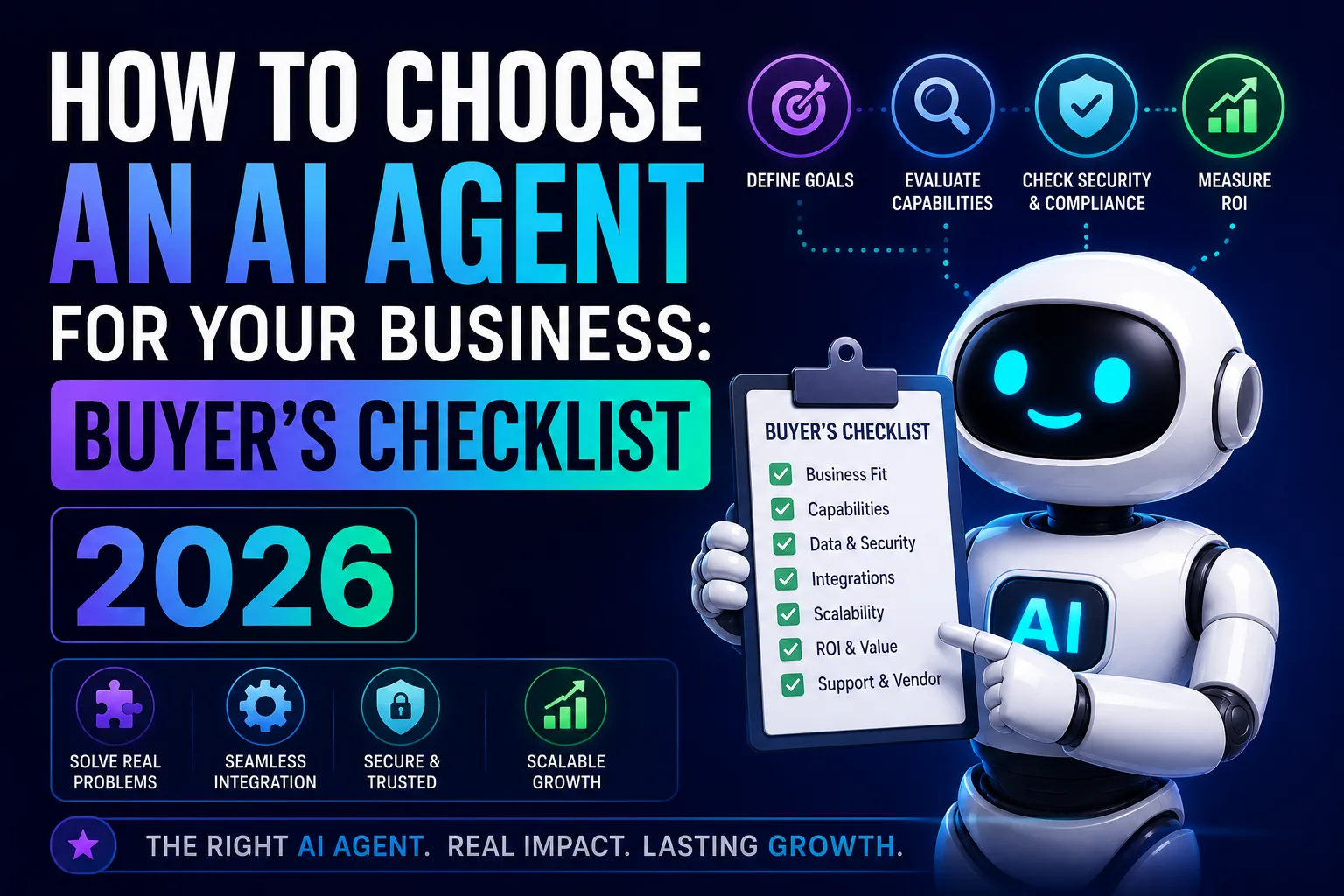
How to Choose an AI Agent for Your Business: Buyer’s Checklist 2026
Navigate AI agent selection for your business with our comprehensive checklist. Discover key criteria, essential features, and how to find the right fit.
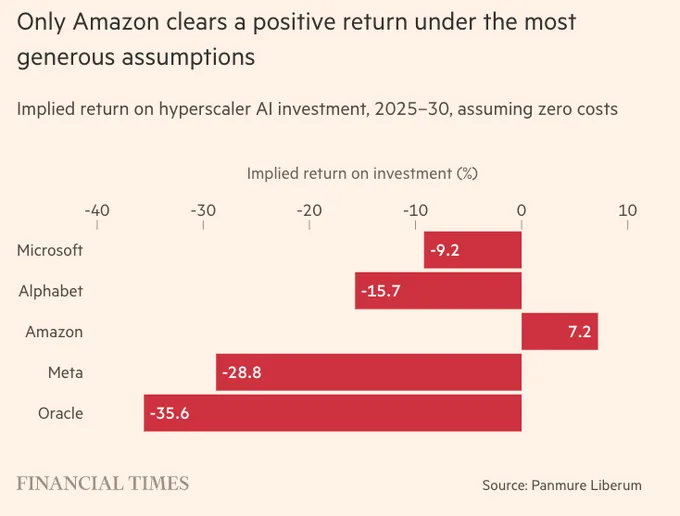
The AI Numbers Are Starting to Look Very Ugly
Discover why major tech companies are seeing negative AI ROI, even under best-case scenarios. Explore the financial reality behind AI hype.
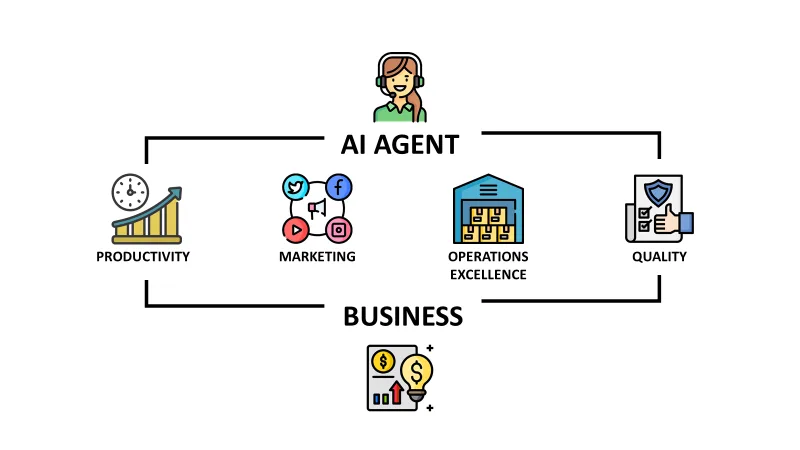
How to Make AI Agents Work for Your Business: A Strategic Guide
Learn how to effectively integrate AI agents into your business operations. Discover strategies for deployment, workflow automation, and scaling your AI capacity.
Continue exploring
Find AI agents by workflow
More in Industry Insights
Browse more articles in the Industry Insights category.
AI articles
Explore more guides and insights tagged AI.
Artificial Intelligence articles
Explore more guides and insights tagged Artificial Intelligence.
AI Agent Categories
Browse use-case pages for sales, productivity, coding, customer service, and more.
AI Agents Landscape
Explore the full directory map and compare agents by workflow and category.
Agent Skills
Find reusable skills, capabilities, and building blocks for AI agent workflows.