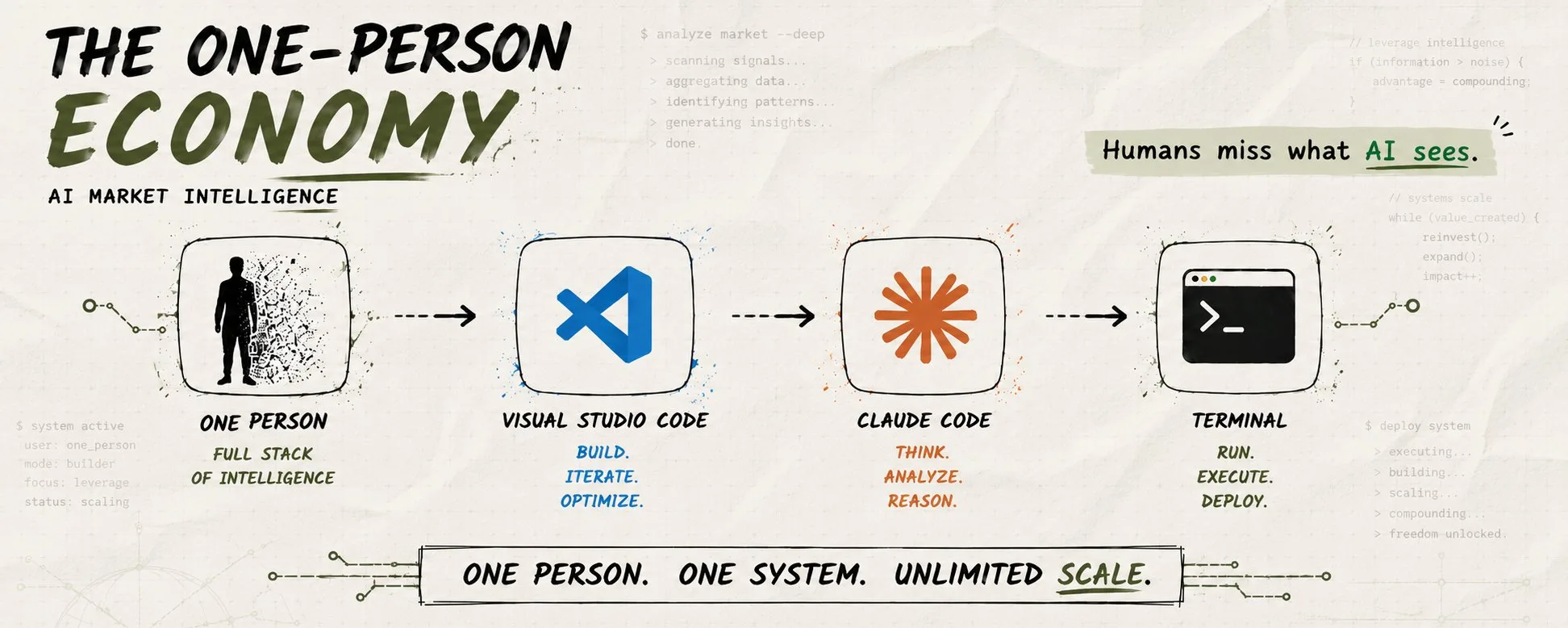
The Era of One-Person Economy Has Already Started
The One-Person Economy: Why It's Here and How to Thrive
The way we work is undergoing a profound transformation. Gone are the days when a traditional, full-time job with a single employer was the only viable path to professional success and financial security. The one-person economy, a burgeoning landscape where individuals operate as independent entities, offering specialized skills and services, is not a future concept – it has already begun. This shift is empowering individuals with unprecedented autonomy and flexibility, fundamentally reshaping our understanding of careers. This guide is for anyone looking to understand this new paradigm, whether you're contemplating a transition to self-employment, seeking to optimize your existing solo venture, or simply curious about the evolving world of work.
What is the One-Person Economy?
At its core, the one-person economy refers to an economic model where individuals increasingly function as independent businesses of one. These are not just freelancers or gig workers, though they are often part of this ecosystem. Solopreneurs, consultants, independent contractors, and even highly specialized knowledge workers operating without traditional employees fall under this umbrella. They leverage technology and their unique skill sets to deliver value directly to clients or customers, managing all aspects of their business from service delivery to marketing and administration.
This concept differs from the broader gig economy, which often implies a more transactional, project-based engagement with potentially multiple clients in quick succession. The one-person economy often involves building a more sustained, brand-centric business, even if it's just you. It's about owning your professional identity and building a sustainable income stream through your own expertise and efforts.
Key Characteristics of the One-Person Economy:
Autonomy and Control: Solopreneurs make all the key decisions regarding their work, clients, pricing, and operational strategies.
Specialized Expertise: Success often hinges on possessing and marketing a highly specific skill or niche knowledge.
Direct Reward: Income is directly tied to the value and volume of work delivered.
Technology-Dependent: Reliance on digital tools for communication, project management, marketing, and service delivery is paramount.
Blurred Lines: The distinction between personal and professional life can become fluid, especially for those embracing digital nomadism.
The Driving Forces Behind the One-Person Economy
Several powerful forces have converged to accelerate the rise of the one-person economy:
Technological Advancements: The internet, cloud computing, sophisticated project management software, and AI tools have democratized entrepreneurship. Platforms for e-commerce, online courses, freelance marketplaces, and digital marketing make it easier than ever to start and scale a business with minimal overhead.
Societal Shifts: A growing desire for work-life balance, flexibility, and purpose-driven work has led many to seek alternatives to traditional employment. The stigma around non-traditional career paths has diminished, and the value of diverse experiences is increasingly recognized.
Economic Factors: Economic uncertainty and a desire for greater financial control have pushed individuals to create multiple income streams or build ventures that offer more predictable rewards than relying on a single employer.
The Rise of Niche Expertise: As industries become more complex, there's a greater demand for highly specialized knowledge. Solopreneurs can often fill these gaps more effectively and efficiently than larger organizations.
Benefits of Operating in a One-Person Economy
Embracing the solopreneurial path offers a compelling array of advantages for those willing to take the leap:
1. Unparalleled Autonomy and Flexibility
This is often the primary draw. You decide when, where, and how you work. This flexibility allows for better integration of personal life, hobbies, and family commitments. Whether you dream of being a digital nomadism expert or simply want to avoid the daily commute, the one-person economy makes it possible.
2. Direct Correlation Between Effort and Reward
In a traditional job, your salary is often fixed, regardless of extra effort. As a solopreneur, your income is directly tied to the value you provide and the clients you serve. Hard work, skill development, and effective marketing can lead to a significantly higher earning potential.
3. Continuous Skill Development and Personal Growth
As a one-person business, you'll wear many hats: marketer, salesperson, accountant, customer service representative, and service provider. This forces you to learn and develop a broad range of skills, fostering significant personal and professional growth. You become a master of your craft and a capable business manager.
4. Building a Personal Brand and Legacy
You're not just working for a company; you're building your own brand. This allows you to cultivate a reputation based on your unique values, expertise, and approach, creating a professional legacy that is entirely your own.
Challenges and Considerations for the Solo Professional
While the benefits are substantial, the path of the solopreneur is not without its hurdles. Understanding these challenges is crucial for preparation and long-term success.
1. Income Instability and Financial Management
Predicting income can be difficult, especially in the early stages. Irregular cash flow requires meticulous financial planning, budgeting, and often, a significant personal financial cushion. Understanding how to thrive in the one-person economy means mastering your personal and business finances.
2. The Burden of Self-Management and Motivation
Without a boss or colleagues to provide structure, you are solely responsible for setting goals, managing your time, and staying motivated. Procrastination and burnout are real risks if discipline wavers. This is where understanding the psychological aspects of working independently becomes critical.
3. Isolation and Lack of Collaboration
Working alone can lead to feelings of isolation. The absence of a team environment can also mean missing out on spontaneous brainstorming sessions and the camaraderie that comes from shared work experiences.
4. The Need for Diverse Skill Sets
As mentioned, you'll need to be proficient in more than just your core service. Marketing, sales, client management, and administrative tasks all demand attention. If you lack skills in certain areas, you'll need to either learn them or find ways to outsource them cost-effectively.
Tools and Technologies Empowering the Solo Entrepreneur
The modern solopreneur is armed with an arsenal of digital tools that make running a one-person business not only feasible but highly efficient. The impact of AI and automation on solo work is particularly transformative.
Productivity & Project Management: Tools like Asana, Trello, or Notion help organize tasks, manage projects, and track progress.
Communication: Platforms such as Slack, Zoom, and Google Workspace facilitate seamless communication with clients and collaborators.
Marketing & Sales: CRM systems (e.g., HubSpot, Zoho CRM), email marketing services (e.g., Mailchimp, ConvertKit), and social media management tools are essential for client acquisition and retention.
Financial Management: Accounting software like QuickBooks or Xero, and invoicing tools simplify financial tracking and billing.
AI Assistants: Artificial intelligence is rapidly becoming an indispensable partner. AI tools can assist with content creation, research, data analysis, customer support automation, and even code generation, significantly amplifying a solopreneur's capacity. The concept of an agentic economy, where AI agents perform tasks autonomously, is a glimpse into this future. You can learn more about this exciting development in The Autonomous Marketplace: How AI Agent Directory is Building the Agentic Economy. Furthermore, advancements like Google Declares the Agentic Gemini Era signal a broader industry shift towards intelligent automation.
Strategies for Success in the One-Person Economy
Thriving as a solopreneur requires a strategic approach. Here are key areas to focus on:
Define Your Niche and Value Proposition: Clearly identify what makes you unique and the specific problem you solve for clients.
Master Your Marketing: Develop a strong online presence, leverage content marketing, and actively network to attract clients.
Build Strong Client Relationships: Excellent customer service and consistent delivery lead to repeat business and valuable referrals.
Financial Discipline: Create a realistic budget, track all income and expenses, and set aside funds for taxes and unexpected costs.
Embrace Continuous Learning: Stay updated with industry trends, new technologies, and best practices. Invest in your skills.
Prioritize Work-Life Balance: Set boundaries, schedule downtime, and recognize the signs of burnout to maintain long-term sustainability.
Understanding what is the one-person economy is the first step; implementing strategies for success is the next.
The Future Outlook: Evolution of the One-Person Economy
The one-person economy is not static; it's a dynamic and evolving landscape. We can anticipate further integration of AI, leading to even more sophisticated automation of business processes. The rise of specialized, highly technical services will continue, driven by the demand for niche expertise. The blurring of work and lifestyle will likely intensify, with more individuals prioritizing location independence and flexible work arrangements.
The potential for increased entrepreneurship, fueled by accessible technology and a growing desire for autonomy, suggests that the one-person economy will only become more prominent. As AI agents become more capable, we may see new models emerge, such as agentic economies where AI entities collaborate and perform tasks on behalf of individuals, further amplifying human potential.
Related Articles
View all articles
What Is Tokenization? The Future of Digital Assets
Explore how tokenization is reshaping finance. Learn the core principles, benefits, and the role of autonomous systems in the digital economy.
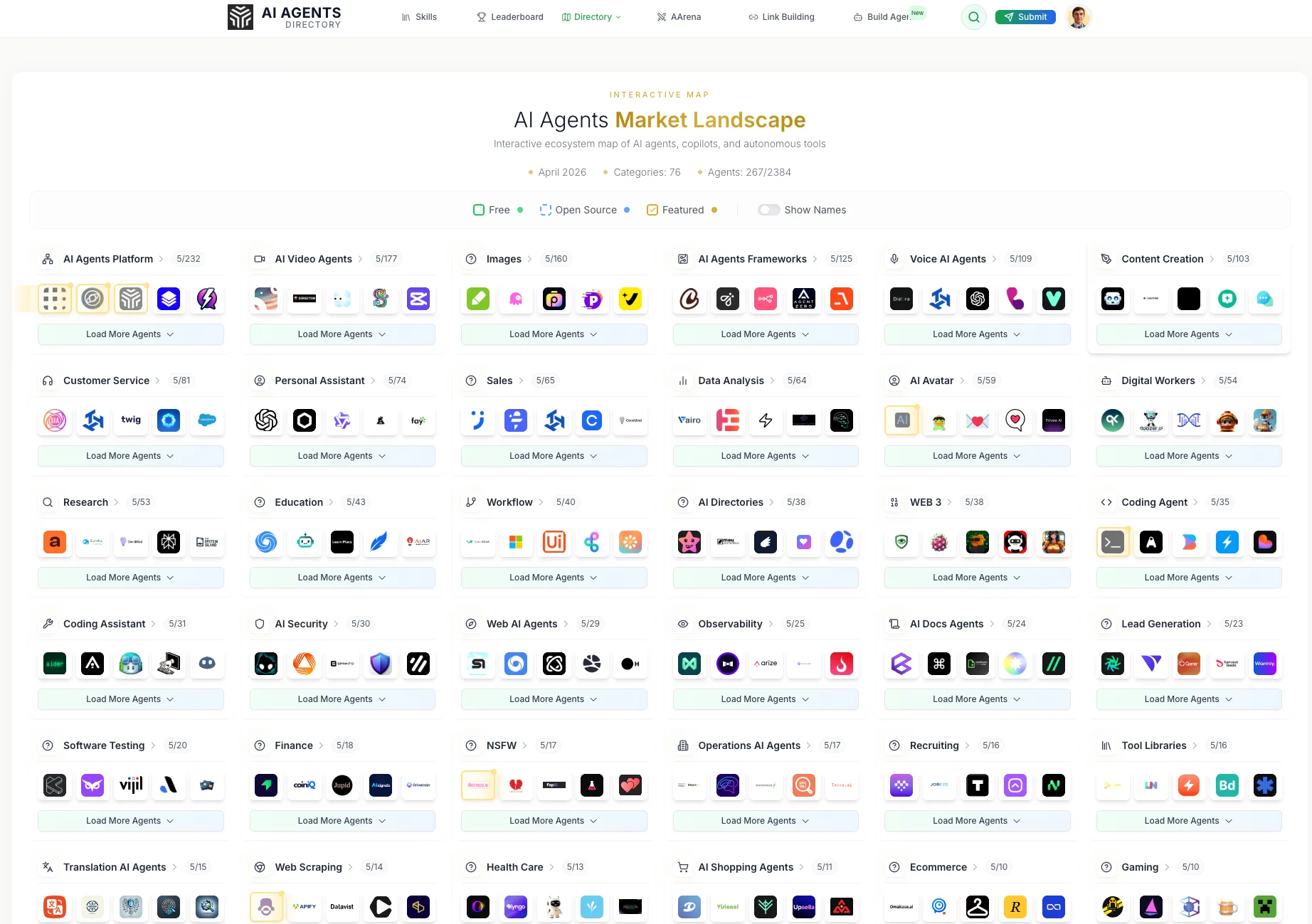
The Autonomous Marketplace: How AI Agent Directory is Building the Agentic Economy
Explore how AI Agent Directories are pioneering the Autonomous Marketplace, paving the way for the agentic economy and transforming how AI agents operate.
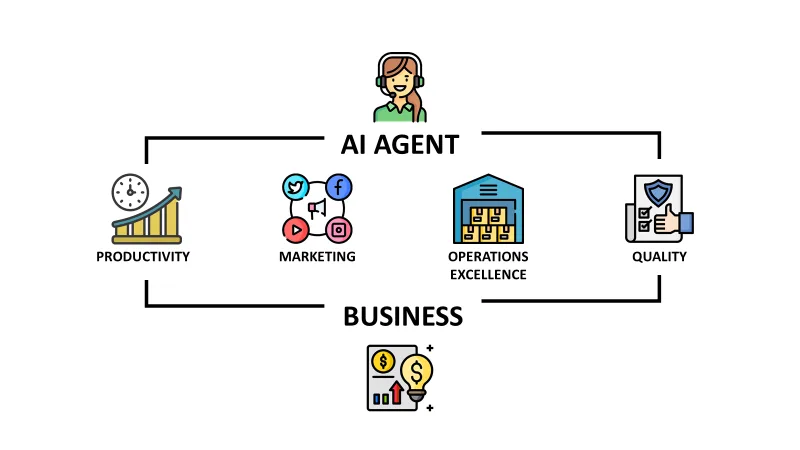
How to Make AI Agents Work for Your Business: A Strategic Guide
Learn how to effectively integrate AI agents into your business operations. Discover strategies for deployment, workflow automation, and scaling your AI capacity.
Continue exploring
Find AI agents by workflow
More in Industry Insights
Browse more articles in the Industry Insights category.
solopreneurship articles
Explore more guides and insights tagged solopreneurship.
future of work articles
Explore more guides and insights tagged future of work.
AI Agent Categories
Browse use-case pages for sales, productivity, coding, customer service, and more.
AI Agents Landscape
Explore the full directory map and compare agents by workflow and category.
Agent Skills
Find reusable skills, capabilities, and building blocks for AI agent workflows.