
Google Declares the Agentic Gemini Era
What is the Agentic Gemini Era?
Google has signaled a significant shift in the artificial intelligence landscape, declaring the dawn of the Agentic Gemini Era. This isn't just about more powerful AI models; it's about a fundamental change in how AI operates – moving from passive tools to proactive, autonomous agents. This era is characterized by AI systems that can understand complex instructions, plan multi-step actions, and execute tasks with a degree of independence, all powered by advanced models like Google's Gemini. For businesses and individuals alike, this heralds a new age of intelligent automation and unprecedented capabilities.
This post is for anyone interested in the future of AI, from technologists and business leaders to curious individuals. We will break down what the Agentic Gemini Era entails, explore the role of AI agents, understand how Gemini is a key enabler, and discuss the profound implications for how we work and interact with technology.
Understanding AI Agents
Before diving deeper into Google's pronouncements, it's crucial to understand the core concept: AI agents. You might have encountered the question, 'What are AI agents?' In essence, an AI agent is a system that perceives its environment through sensors and acts upon that environment through actuators. Unlike traditional AI, which often performs specific, pre-programmed tasks, AI agents are designed to be more autonomous and goal-oriented.
AI Agents vs. Traditional AI
The distinction is critical. Traditional AI, such as a simple chatbot that responds to predefined queries, operates within strict boundaries. It's reactive. AI agents, on the other hand, can:
Perceive and Reason: They can take in information from various sources (text, images, audio, video – thanks to multimodal capabilities) and make logical deductions.
Plan and Act: They can break down complex goals into smaller, actionable steps and execute them, often without constant human supervision.
Learn and Adapt: They can learn from their experiences and adapt their strategies over time to improve performance.
Operate Autonomously: They can make decisions and take actions based on their objectives and environmental feedback.
Think of the difference between a calculator (traditional AI) and a personal assistant who can manage your schedule, book appointments, and respond to emails (an AI agent). The latter exhibits agency and proactive behavior.
The Role of Gemini in Agentic Workflows
Google's Gemini models are at the heart of this Agentic Gemini Era. Gemini's advanced architecture, particularly its multimodal understanding and sophisticated reasoning abilities, makes it exceptionally well-suited for powering AI agents. 'How Gemini AI enables agentic workflows' is a question many are asking, and the answer lies in its design.
Gemini's Multimodal and Reasoning Prowess
Gemini is built from the ground up to understand and combine different types of information simultaneously – text, images, audio, video, and code. This multimodal capability is essential for an AI agent to effectively perceive its environment. A human assistant doesn't just read text; they see visual cues, hear tone of voice, and understand context. Gemini aims to replicate and surpass this by:
Integrated Understanding: Processing and correlating information from disparate sources seamlessly.
Advanced Reasoning: Capable of complex problem-solving, planning, and strategic thinking required for autonomous action.
Code Generation and Understanding: Facilitating agents that can interact with software and systems directly.
This makes Gemini an ideal foundation for building sophisticated AI agents capable of handling complex, real-world tasks. The recent advancements, such as Gemini 3.5 shipping for agentic workflows, underscore Google's commitment to this direction, unlocking advanced AI automation.
Key Characteristics of Agentic AI Systems
The Agentic Gemini Era is defined by the emergence of AI systems with distinct characteristics that set them apart from previous generations of AI. Understanding these traits is key to grasping the potential and the challenges ahead.
Defining Features
Agentic AI systems, empowered by models like Gemini, typically exhibit:
Autonomy: The ability to operate independently, making decisions and taking actions without direct human intervention for every step.
Goal-Orientation: A clear objective or set of objectives that guide their actions. They are designed to achieve specific outcomes.
Adaptability: The capacity to adjust their behavior and strategies in response to changing circumstances or new information.
Proactiveness: Instead of waiting for commands, these agents can anticipate needs and initiate actions to achieve their goals. This marks a significant 'shift from passive AI to proactive AI agents.'
Contextual Awareness: A deep understanding of the situation, user intent, and environmental factors, allowing for more relevant and effective actions.
The convergence of large language models (LLMs) and these agentic capabilities is a major trend. LLMs provide the understanding and generative power, while agentic frameworks provide the planning, execution, and learning mechanisms.
Implications and Applications of the Agentic Gemini Era
The implications of the Agentic Gemini Era are vast, promising to reshape industries and enhance user experiences. The question, 'What is the agentic Gemini era?' is best answered by looking at its potential impact. It signifies a move towards AI that doesn't just process information but actively participates in achieving goals.
Transforming Industries and Experiences
The benefits of AI automation powered by agentic systems are profound:
Business Process Automation: Imagine agents that can manage complex supply chains, optimize marketing campaigns autonomously, or handle customer service inquiries with a high degree of personalization and efficiency. This addresses the question, 'What are the benefits of AI automation?' by offering scalable, intelligent solutions.
Software Development: Agents could assist in coding, debugging, and even designing software architectures, accelerating development cycles.
Personalized User Experiences: AI agents could act as highly sophisticated personal assistants, managing schedules, curating information, and tailoring content in ways previously unimaginable.
Scientific Research: Agents could analyze vast datasets, design experiments, and accelerate discovery in fields like medicine and materials science.
The impact of Gemini on AI automation is expected to be transformative, moving beyond simple task execution to complex problem-solving and strategic decision-making. This trend is also influenced by broader strategic moves, such as Google's acquisition of Wiz, which could integrate advanced AI capabilities into cloud security, further enhancing agentic system performance and safety.
The Multimodal Advantage
A key aspect of this era is the impact of multimodal AI on agentic system performance. An agent that can understand a video of a malfunctioning machine, read its error logs, and then access its maintenance manual to propose a fix is far more powerful than one limited to text. This capability allows agents to interact with the real world and digital systems in a much richer and more effective manner.
Challenges and Considerations
While the Agentic Gemini Era promises immense benefits, it also brings significant challenges and ethical considerations. As AI agents become more autonomous and capable, questions arise about safety, accountability, and the potential for misuse.
Ethical Frameworks and Responsible Development
The development and deployment of agentic AI systems necessitate careful thought regarding:
Safety and Control: Ensuring that autonomous agents operate within defined safety parameters and can be controlled or overridden when necessary.
Bias and Fairness: Addressing potential biases in training data that could lead to unfair or discriminatory actions by agents.
Accountability: Determining who is responsible when an autonomous agent makes an error or causes harm.
Job Displacement: Understanding and mitigating the potential impact on employment as AI automation becomes more sophisticated.
Privacy: Protecting sensitive data that agents may access and process.
There's also the critical question, 'What are the potential risks of agentic AI?' These include unforeseen emergent behaviors, the possibility of agents acting in ways misaligned with human intent, and the concentration of power in the hands of those who control advanced AI systems.
The Competitive Landscape
The race to develop advanced AI agents is intensifying. Companies are vying to create agents that are not only intelligent but also reliable, secure, and user-friendly. This competitive pressure drives innovation but also underscores the need for robust ethical frameworks and industry-wide standards for responsible AI development.
The Future Outlook
The Agentic Gemini Era is not a destination but a significant milestone on the path of AI evolution. Google's declaration signifies a commitment to building AI systems that are more capable, proactive, and integrated into our daily lives and work.
Looking ahead, we can expect:
Increasing sophistication of AI agents, enabling them to handle increasingly complex and nuanced tasks.
Greater integration of AI agents across all sectors, from personal productivity to enterprise operations.
Continued advancements in multimodal AI, allowing agents to perceive and interact with the world in ever more sophisticated ways.
An ongoing dialogue and development of ethical guidelines and regulations to ensure responsible AI deployment.
The journey from passive AI to proactive agents is a profound one. As AI systems become more agentic, they will fundamentally alter our relationship with technology, offering powerful tools for problem-solving and innovation. The Agentic Gemini Era is a testament to this ongoing revolution, and its impact will undoubtedly shape the future for years to come.
Discover how the Agentic Gemini Era is set to transform AI. Share your thoughts on its potential impact below!
Related Articles
View all articles
Gemini 3.5 Ships for Agentic Workflows: Unlocking Advanced AI Automation
Discover how Gemini 3.5 empowers sophisticated agentic AI workflows. Explore its context window, multimodal understanding, and applications for AI automation.
Google AI Agents Are Going Mainstream: What It Means for You
Discover how Google is bringing AI agents into everyday use, their impact on daily tasks, and the future of intelligent automation.
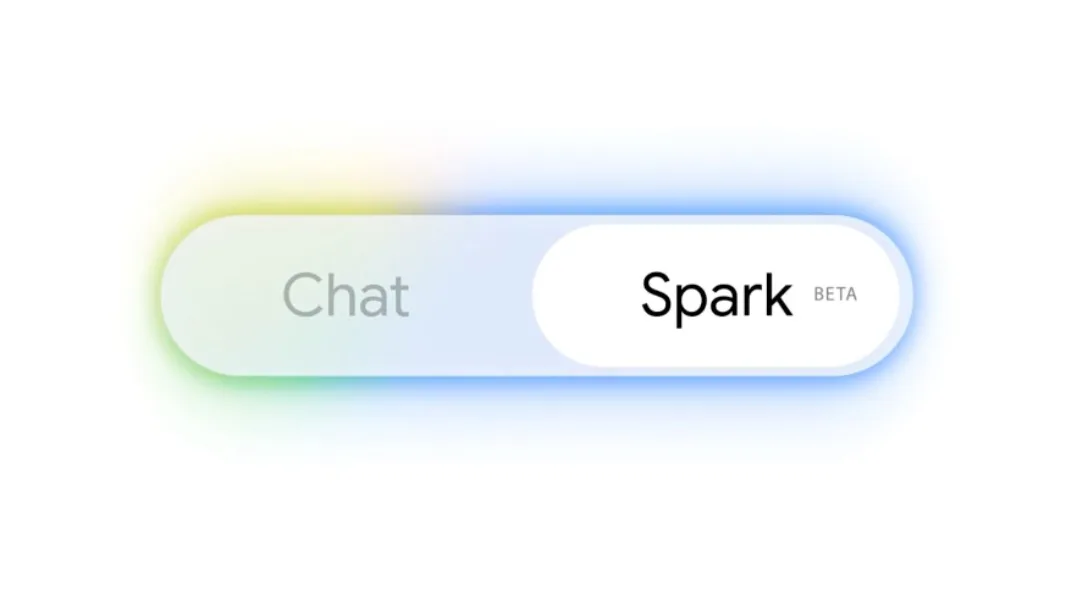
Google Brings Gemini Spark Agent to macOS
Explore how the Gemini Spark agent functions on macOS, its integration with your desktop workflow, and what to expect from Google's agentic AI tools.
Continue exploring
Find AI agents by workflow
More in Industry Insights
Browse more articles in the Industry Insights category.
AI articles
Explore more guides and insights tagged AI.
Google articles
Explore more guides and insights tagged Google.
AI Agent Categories
Browse use-case pages for sales, productivity, coding, customer service, and more.
AI Agents Landscape
Explore the full directory map and compare agents by workflow and category.
Agent Skills
Find reusable skills, capabilities, and building blocks for AI agent workflows.