Mevu Launches AI Agent Swarm for Prediction Markets
Introduction to AI Agent Swarms in Decentralized Finance
The intersection of artificial intelligence and decentralized finance (DeFi) is rapidly evolving, with the launch of AI agent swarms on the Mevu platform marking a significant milestone. An AI agent swarm refers to a collective of autonomous software entities that work in concert to process information, execute trades, and perform complex analytical tasks without constant human intervention. In the context of decentralized prediction markets, these swarms are designed to aggregate massive datasets and synthesize them into actionable market insights.
This article explores how these systems function, the benefits they bring to market participants, and the considerations necessary for those looking to integrate automated forecasting into their strategy. Whether you are a liquidity provider or a casual observer, understanding this shift from human-only forecasting to hybrid agent-human models is essential for navigating the future of decentralized finance.
How AI Agents Enhance Prediction Market Accuracy
At their core, prediction markets rely on the "wisdom of the crowd"—the idea that the collective judgment of a group is often more accurate than that of any single individual. By introducing autonomous AI agents, platforms like Mevu amplify this phenomenon. These agents can monitor news feeds, analyze social sentiment, and process historical data in real-time, far faster than any human analyst could.
The Mechanics of Autonomous Decision-Making
AI agents operate by continuously scanning for market inefficiencies. When a prediction market opens, agents leverage pre-programmed heuristics and machine learning models to calculate the probability of specific outcomes. As new information enters the ecosystem, the swarm adjusts its positions, effectively acting as a stabilizing force that keeps market prices reflective of current reality. This automated forecasting reduces the impact of emotional bias, which often plagues human-led trading environments.
Evaluating Autonomous Forecasting Tools
As the adoption of AI grows, market participants must learn to distinguish between robust, reliable agents and those that may introduce unnecessary risk. Selecting the right tools requires a systematic approach to technical vetting. Before committing capital or relying on an agent's output, it is vital to perform a thorough audit of its underlying logic and data sources. If you are looking to integrate these technologies into your own operations, consult this comprehensive checklist for selecting reliable AI agents to ensure your chosen tools meet the necessary security and performance standards.
The Infrastructure Behind Agentic Systems
Supporting multiple agents requires a sophisticated technical architecture. Unlike simple automated scripts, an AI agent swarm requires a resilient, low-latency framework capable of handling high-frequency data streams. This infrastructure typically involves a combination of decentralized oracles for data verification and smart contracts that govern how agents interact with the prediction market's liquidity pools.
Key Components of Agentic Architectures
Data Ingestion Layers: Systems that aggregate diverse data points from verified sources.
Execution Logic: The "brains" of the agent, which process data to determine when to buy or sell positions.
Feedback Loops: Mechanisms that allow agents to learn from past performance and adjust future strategies.
For developers or organizations interested in constructing their own systems, learning how to build your own agent harness is the first step toward creating a custom, scalable environment that aligns with specific market objectives.
Tradeoffs and Risks in AI-Driven Markets
While the benefits of autonomous agents—such as increased liquidity and faster price discovery—are clear, they are not without risks. One of the primary concerns is the potential for "flash crashes" caused by algorithmic feedback loops, where multiple agents react to the same data point simultaneously, causing extreme price volatility. Furthermore, the reliance on model accuracy means that if the underlying data or the agent's logic is flawed, the market can be quickly skewed by erroneous signals.
The integration of AI into financial markets demands a balanced perspective: while agents can optimize efficiency, they cannot replace the necessity of human oversight in managing tail-risk events.
Additionally, computational costs can become significant as the complexity of the swarm grows. Users should always refer to the official documentation on smart contract standards to understand the underlying constraints of the network upon which these agents operate, ensuring that the cost of execution remains sustainable within the broader market context.
Conclusion: The Future of Hybrid Forecasting
The launch of AI agent swarms on Mevu represents a major shift toward more efficient, data-driven prediction markets. By combining the speed and analytical power of autonomous agents with the strategic intuition of human participants, these platforms are setting a new standard for decentralized finance. As these systems mature, we can expect to see deeper liquidity, more accurate pricing, and a broader range of applications for predictive modeling. To stay updated on the latest developments in decentralized AI and how these tools are evolving, subscribe to our newsletter today.
Related Articles
View all articles
Olas Agents Outperform Humans in Prediction Market Trading
Discover how Olas autonomous agents are outperforming human traders in prediction markets and what this shift means for the future of decentralized finance.
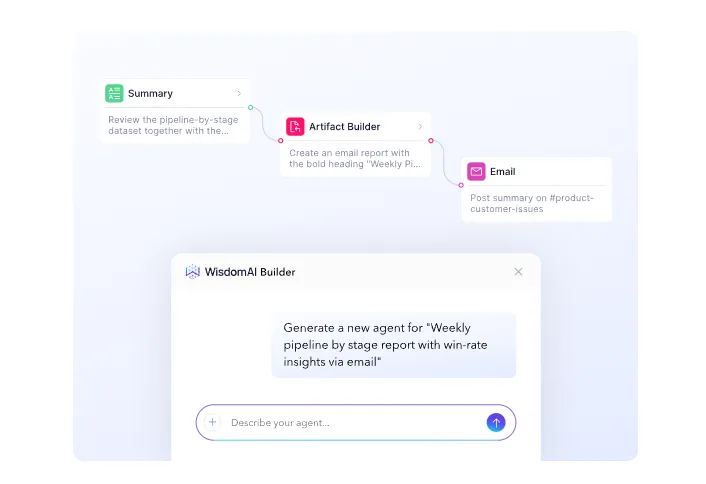
WisdomAI Launches Autonomous Analytics Agents
Explore how autonomous analytics agents like those from WisdomAI are transforming data workflows. Learn the mechanics, benefits, and tradeoffs.
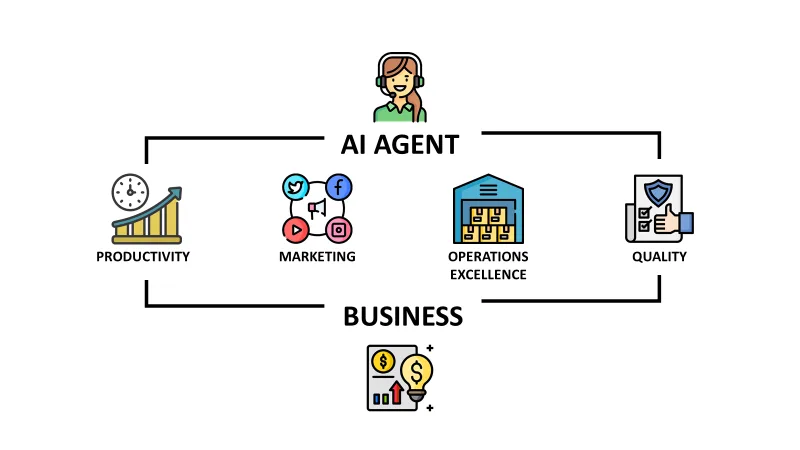
How to Make AI Agents Work for Your Business: A Strategic Guide
Learn how to effectively integrate AI agents into your business operations. Discover strategies for deployment, workflow automation, and scaling your AI capacity.
Continue exploring
Find AI agents by workflow
More in Industry Insights
Browse more articles in the Industry Insights category.
DeFi articles
Explore more guides and insights tagged DeFi.
AI articles
Explore more guides and insights tagged AI.
AI Agent Categories
Browse use-case pages for sales, productivity, coding, customer service, and more.
AI Agents Landscape
Explore the full directory map and compare agents by workflow and category.
Agent Skills
Find reusable skills, capabilities, and building blocks for AI agent workflows.