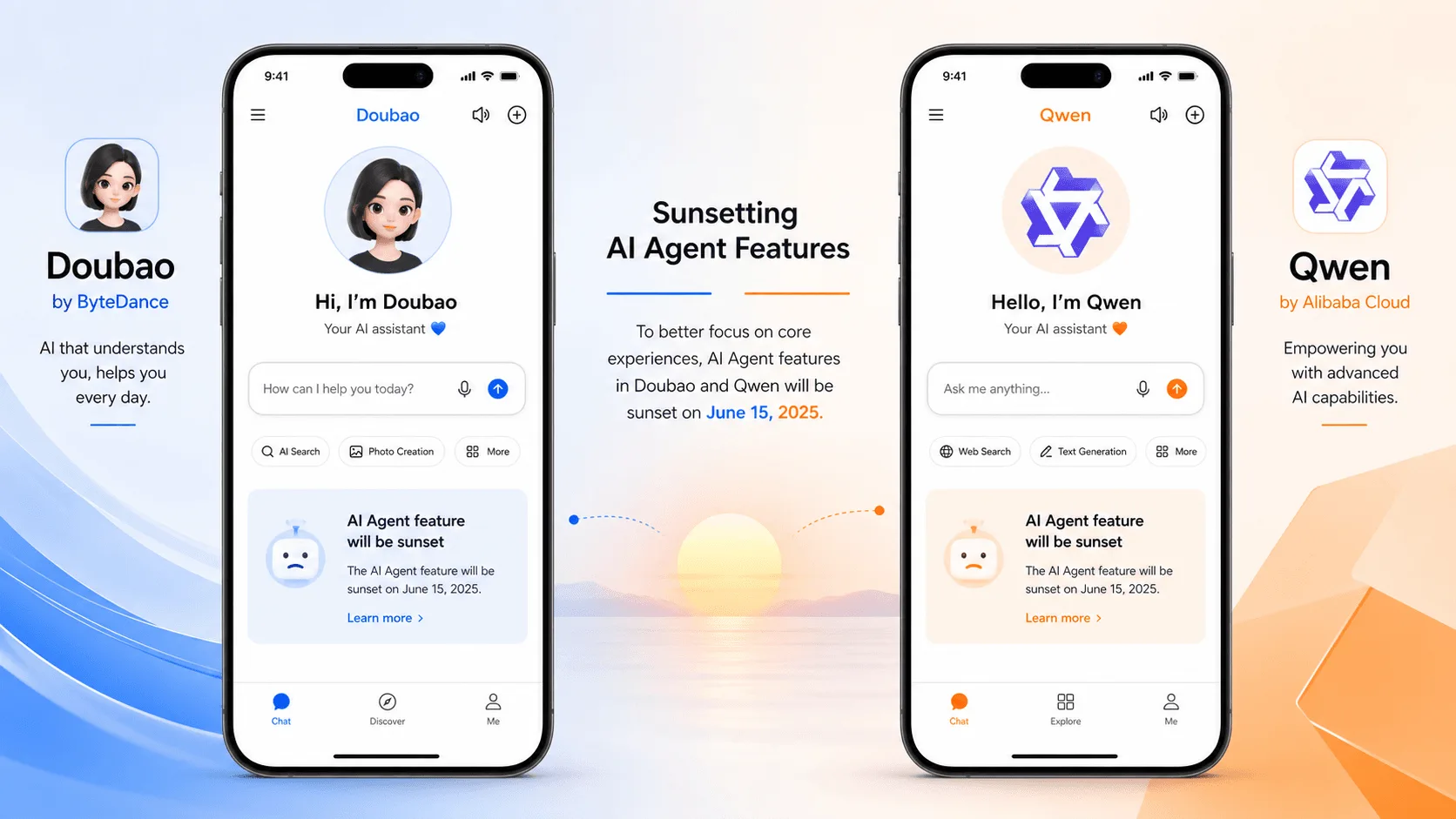
ByteDance's Doubao and Alibaba's Qwen AI Agents to Cease Operations July 15
The Unexpected Shutdown: Doubao and Qwen Discontinue AI Agent Features
In a move that has surprised many within the AI development community, ByteDance's Doubao and Alibaba's Qwen are set to shut down their AI agent features on July 15. This decision marks a significant shift for these prominent Chinese AI initiatives, prompting questions about the future trajectory of AI agent technology and the factors influencing its development. This article delves into the reasons behind this shutdown, its implications for developers and businesses, and what it signals for the broader AI landscape.
Understanding Doubao and Qwen's AI Agent Features
Before exploring the reasons for their discontinuation, it's essential to understand what Doubao and Qwen's AI agent features entailed. These functionalities were designed to empower users and developers by enabling large language models (LLMs) to perform complex tasks autonomously. Essentially, AI agents act as intermediaries, capable of understanding user intent, breaking down requests into actionable steps, and interacting with various tools and services to achieve a desired outcome.
For users, this meant a more streamlined and intelligent interaction with AI, where the system could not only generate text but also execute actions like booking appointments, managing schedules, or retrieving specific information from external sources. For developers, these agent frameworks provided a powerful toolkit to build sophisticated AI-powered applications, allowing them to leverage the underlying LLMs for more than just conversational AI.
The Doubao Qwen AI agent shutdown therefore impacts a layer of functionality that was intended to bridge the gap between abstract AI capabilities and tangible, real-world applications. These agents represented a step towards more proactive and goal-oriented AI systems.
Why the Shutdown? Potential Reasons and Industry Trends
The decision by major players like ByteDance and Alibaba to pull back on AI agent features is multifaceted and likely influenced by several evolving industry trends. While specific official reasons are often not fully disclosed, several factors can be inferred:
Evolving AI Safety and Responsible AI Deployment
One of the most significant drivers in the current AI landscape is the growing emphasis on AI safety and responsible deployment. AI agents, by their nature, can operate with a degree of autonomy, which raises concerns about potential unintended consequences, misuse, or unpredictable behavior. Ensuring that these powerful tools operate within ethical boundaries and do not pose risks requires extensive research, robust guardrails, and continuous monitoring. The complexity and resource intensity of achieving these safety standards might lead companies to pause or re-evaluate their agent offerings.
Regulatory Scrutiny and Compliance
The rapid advancement of AI has also attracted increased attention from regulators worldwide. Governments are actively exploring and implementing regulations to govern AI development and deployment, particularly concerning data privacy, algorithmic bias, and potential societal impacts. Features that involve autonomous actions or deep integration with external services might fall under stricter regulatory frameworks, necessitating significant compliance efforts. Companies may choose to halt such features until regulatory landscapes become clearer or until they can ensure full compliance.
Strategic Shifts and Market Maturation
The LLM and AI agent market is characterized by rapid iteration and consolidation. Companies are constantly evaluating their product roadmaps and focusing on areas with the most immediate value and potential for long-term growth. It's possible that ByteDance and Alibaba are shifting their focus towards core LLM development, optimizing existing AI services, or exploring different application areas for their AI technologies. The discontinuation of agent features could signal a move from experimental, feature-rich services to more focused, stable, and commercially viable offerings.
The question, why are Doubao and Qwen shutting down AI agents, likely boils down to a combination of these factors. The rapid evolution of AI capabilities necessitates a cautious and strategic approach to deployment, especially when dealing with features that extend AI's operational reach.
Implications for Developers and Businesses
The shutdown of AI agent features by Doubao and Qwen carries significant implications for developers and businesses that have integrated these functionalities into their products or workflows. The challenges include:
Disruption to Existing Applications: Developers who have built applications relying on the agent capabilities of Doubao or Qwen will need to find alternative solutions or refactor their code. This can lead to significant development effort, potential downtime, and increased costs.
Loss of Specific Functionality: For businesses that leveraged these agents for specific automation tasks, the shutdown means the loss of a valuable tool. This could impact operational efficiency and require a reassessment of their automation strategies.
Uncertainty in the AI Ecosystem: Such decisions from major players can create uncertainty for developers about the long-term viability of specific AI frameworks or features. This might lead to a more cautious approach when adopting new, experimental AI services.
Understanding the potential pitfalls and lessons learned from such AI initiatives is crucial. For insights into real-world challenges and how to navigate them, consider exploring AI Agent Traps: Real-Life Incidents and Lessons Learned.
What This Means for the Broader AI Landscape
The decision by Doubao and Qwen to cease their AI agent features is more than just an isolated event; it's a signal about the current state and future direction of the LLM and AI agent market. Several key takeaways emerge:
Maturity and Specialization: The AI market is maturing, moving beyond broad, experimental features towards more specialized and robust solutions. Companies are likely focusing on perfecting core LLM capabilities and identifying specific, high-impact applications rather than offering a wide array of experimental tools.
Emphasis on Stability and Reliability: As AI technologies become more integrated into business operations, there is a greater demand for stability, reliability, and predictability. Features that are prone to unexpected behavior or require constant updates might be deprioritized in favor of more dependable offerings.
The Role of Foundational Models: The focus may be shifting back to the foundational LLMs themselves, with developers being empowered to build their own agent-like functionalities on top of these models, rather than relying on pre-built, integrated agent features that might be subject to change. This aligns with the trend of enabling developers to have more control and flexibility.
The impact of Doubao Qwen AI agent shutdown on developers is a testament to the dynamic nature of this field. It underscores the need for adaptability and a strategic approach to integrating AI technologies.
Alternatives and the Future of AI Agents
While the discontinuation of these specific features is noteworthy, it does not signify the end of AI agents. Instead, it prompts a re-evaluation of how these powerful functionalities will be developed and deployed. Developers looking to implement similar AI agent functionalities will need to consider alternative approaches:
Open-Source Frameworks: The open-source community is a fertile ground for AI development. Frameworks like LangChain or LlamaIndex offer robust tools for building LLM applications, including agent-like capabilities, giving developers more control and transparency.
Custom Development: For businesses with specific needs, custom development using foundational LLM APIs (like those from OpenAI, Google, or Anthropic) combined with custom logic and tool integrations might be the most viable path. This allows for tailored solutions that precisely meet business requirements. For those interested in the process, a guide on How to Build Your Own Agent Harness: A Comprehensive Guide can provide valuable insights.
Focus on Specific Use Cases: Instead of general-purpose agents, the future might see more specialized AI agents designed for very specific tasks or industries, where the risks and complexities can be more effectively managed.
The question, what are the alternatives to Doubao and Qwen AI agent features, is best answered by looking at the broader ecosystem of LLM development tools and platforms that empower developers to build their own solutions.
People Also Ask:
When are Doubao and Qwen AI agent features shutting down? They are scheduled to shut down on July 15.
What are Doubao and Qwen AI agents? They were features that enabled their respective LLMs to perform complex, autonomous tasks by interacting with tools and services.
Why are Chinese AI companies shutting down agent features? Potential reasons include evolving AI safety concerns, regulatory pressures, and strategic market shifts, as discussed in this article.
What are the alternatives to Doubao and Qwen AI agents? Alternatives include open-source frameworks, custom development using LLM APIs, and specialized agent solutions.
Conclusion: Adapting to a Dynamic AI Ecosystem
The impending shutdown of Doubao and Qwen's AI agent features serves as a significant marker in the rapidly evolving AI landscape. It highlights the ongoing tension between rapid innovation and the imperative for safety, responsibility, and regulatory compliance. For developers and businesses, this shift underscores the need for agility, strategic foresight, and a willingness to adapt to new paradigms. While specific features may be sunsetted, the underlying drive towards more intelligent and capable AI systems continues. By understanding the forces at play and exploring robust alternatives, the AI community can continue to build and deploy AI responsibly and effectively.
Related Articles
View all articles
Alibaba Consolidates AI Divisions to Power the Agent Economy
Discover how Alibaba is consolidating its AI divisions to streamline operations and accelerate innovation in the competitive global AI market.
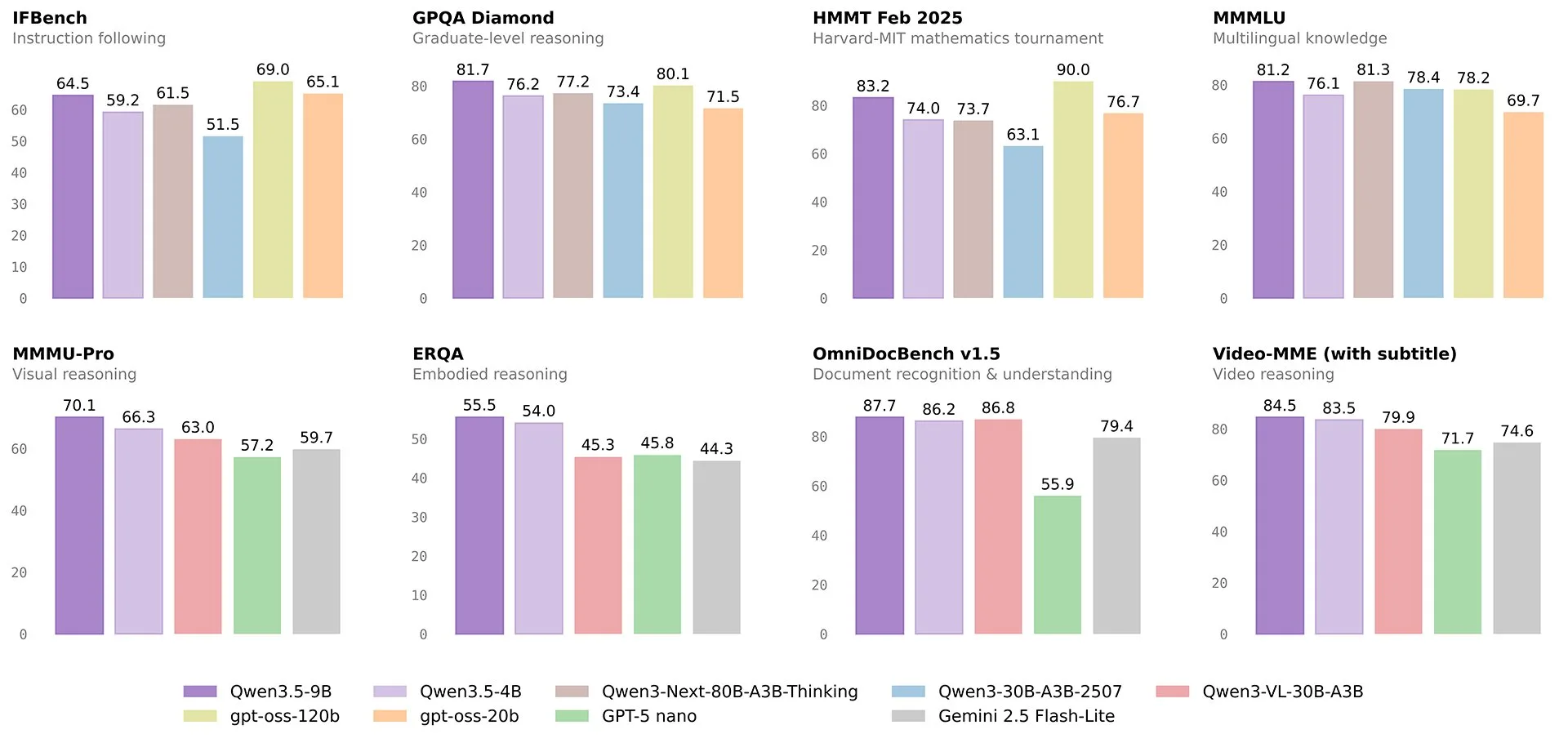
Qwen 3.5 Small Model Series Released: A New Era for Efficient AI
Explore Alibaba's Qwen 3.5 Small Model Series. Discover its innovative features, performance benchmarks, and impact on efficient AI development.

AI Agents Need Eyes: Why Cameras Are Becoming the Next Agent Interface
Explore why cameras are crucial for AI agents, enhancing perception and interaction. Learn about embodied AI and the future of visual AI.
Continue exploring
Find AI agents by workflow
More in Industry Insights
Browse more articles in the Industry Insights category.
AI articles
Explore more guides and insights tagged AI.
ByteDance articles
Explore more guides and insights tagged ByteDance.
AI Agent Categories
Browse use-case pages for sales, productivity, coding, customer service, and more.
AI Agents Landscape
Explore the full directory map and compare agents by workflow and category.
Agent Skills
Find reusable skills, capabilities, and building blocks for AI agent workflows.