
What Is Tokenization? The Future of Digital Assets
Defining Tokenization: The Digital Bridge
Tokenization is the process of converting rights to an asset into a digital token on a blockchain. By leveraging distributed ledger technology, tokenization creates a verifiable, immutable record of ownership that exists independently of traditional paper-based systems. For investors and businesses, this represents a fundamental shift in how value is stored, transferred, and managed.
At its core, tokenization transforms illiquid assets—such as real estate, fine art, or private equity—into digital representations that can be traded with the same ease as liquid securities. This transition from traditional equity to tokenized fractional ownership is not just a technological upgrade; it is a restructuring of market access, allowing participants to own smaller, more manageable portions of high-value assets that were previously restricted to institutional players.
How Tokenization Works: From Rights to Code
The technical architecture of tokenization relies on smart contracts—self-executing code stored on a blockchain that automatically enforces the terms of an agreement. When an asset is tokenized, the legal rights to that asset are bound to the token via the blockchain's ledger integrity.
The process generally follows these steps:
Asset Identification: The underlying asset (real estate, equity, or debt) is audited and verified.
Legal Structuring: A legal framework is established to ensure the digital token represents a legitimate claim under current jurisdictional law.
Smart Contract Deployment: Code is written to govern the lifecycle of the token, including transferability, dividends, and voting rights.
Issuance: Tokens are minted and distributed to investors, creating a transparent, immutable record of ownership.
By moving these processes onto the blockchain, the administrative burden of traditional asset management is significantly reduced, allowing for instantaneous settlement and continuous auditability.
The Intersection of Tokenization and Autonomous Systems
As we look toward the future of digital asset management, we see an inevitable convergence between finance and automation. Tokenized assets serve as the programmable fuel for the next generation of business structures. When assets are tokenized, they become machine-readable, allowing for seamless integration with AI agents running companies. These agents can manage treasury operations, execute trades, and optimize capital allocation based on real-time market data without human intervention.
This is particularly transformative for supply chain management. By tokenizing individual components or inventory, businesses can track the provenance and movement of goods with absolute precision. Automated treasury management systems can then trigger payments or reorder stock the moment a tokenized asset reaches a specific location or status, drastically increasing efficiency and reducing overhead.
Key Benefits: Liquidity, Fractionalization, and Transparency
Understanding the benefits of asset tokenization requires looking at the limitations of current financial systems. Many assets remain trapped in silos, requiring manual reconciliation and long settlement times. Tokenization solves this by providing:
Increased Liquidity: By allowing for fractional ownership, tokenization opens markets to a broader pool of investors, increasing trade volume.
Fractionalization: High-value assets can be divided into smaller, affordable units, democratizing access to wealth-building opportunities.
Transparency: The distributed ledger provides a single, immutable source of truth, reducing fraud and lowering the need for intermediaries.
When asking what are the benefits of tokenizing real-world assets, the answer lies in the removal of friction. Whether it is reducing the cost of cross-border transactions or automating complex legal compliance, the efficiency gains are substantial. Furthermore, it is important to distinguish this from speculative markets; tokenization differs from cryptocurrency in that it is almost always backed by a tangible or legal claim to an underlying asset, providing a level of stability required by institutional investors.
The Scalability of Fully Autonomous Models
The long-term vision for this technology is the creation of self-managing enterprises. In zero human companies, the capital, operations, and governance are all handled through tokenized workflows. In these models, the asset itself acts as a stakeholder. If a building is tokenized, the income generated from rent can be automatically distributed to token holders via smart contracts, while maintenance costs are paid to automated service providers. This cycle requires no human oversight, creating a high-efficiency business model that operates 24/7.
Challenges and Regulatory Considerations
Despite its promise, the adoption of tokenized assets faces significant hurdles. Security remains paramount; while blockchains are secure, the bridges between the physical world and the digital ledger must be robust. Institutional investors are currently navigating the need for standardized legal frameworks that recognize digital tokens as valid securities across different borders.
Furthermore, industries such as real estate and private credit are most impacted by tokenization, yet they are also the most heavily regulated. Compliance with KYC (Know Your Customer) and AML (Anti-Money Laundering) protocols is a non-negotiable requirement. Organizations looking to adopt these technologies should refer to guidelines provided by institutions such as the International Organization of Securities Commissions (IOSCO) regarding the oversight of digital assets.
Conclusion: Preparing for a Tokenized Economy
Tokenization is the future of how we define, own, and transfer value. By digitizing real-world assets, we are moving toward a more transparent, efficient, and inclusive global economy. While regulatory frameworks are still evolving, the trajectory is clear: the integration of smart contracts and distributed ledgers will continue to redefine the boundaries of business.
To stay ahead of this shift, ensure you verify the regulatory status of tokenized offerings in your local jurisdiction. As these models mature, the barrier between traditional finance and digital assets will continue to dissolve. Subscribe to our newsletter for deep dives into emerging technologies and the shifting landscape of digital ownership.
Related Articles
View all articles
Catena Raises $30M to Build Banking for Agents
Discover how Catena's $30M funding fuels its mission to create specialized banking solutions for real estate agents, addressing their unique financial needs.

World debuts AgentKit to prove a human is behind an AI agent
World has debuted AgentKit to prove a human is behind an AI agent. Learn how this tool uses World ID to combat AI bot fraud and verify digital identity.
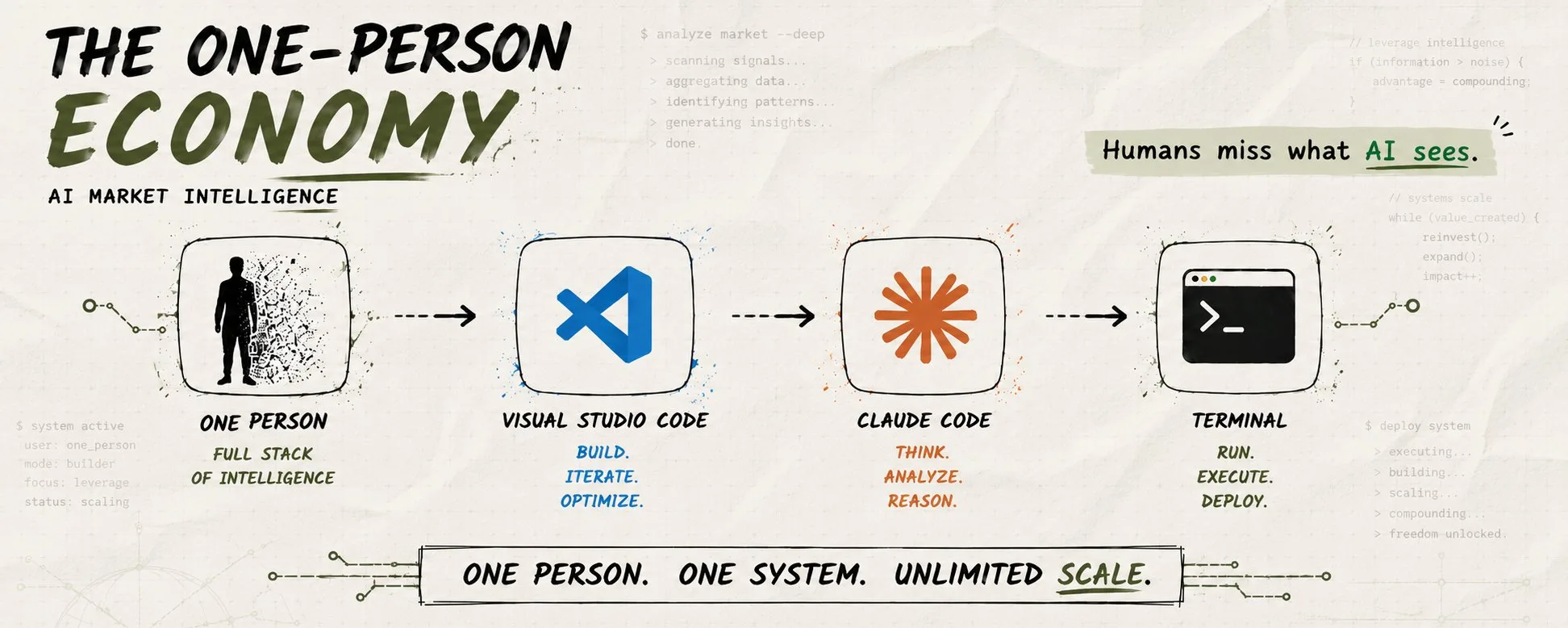
The Era of One-Person Economy Has Already Started
Explore the rise of the one-person economy, driven by technology and changing work preferences. Learn its benefits, challenges, and how to succeed as a solopreneur.
Continue exploring
Find AI agents by workflow
More in Industry Insights
Browse more articles in the Industry Insights category.
Finance articles
Explore more guides and insights tagged Finance.
Blockchain articles
Explore more guides and insights tagged Blockchain.
AI Agent Categories
Browse use-case pages for sales, productivity, coding, customer service, and more.
AI Agents Landscape
Explore the full directory map and compare agents by workflow and category.
Agent Skills
Find reusable skills, capabilities, and building blocks for AI agent workflows.