Runta Secures $20M Seed for AI Agent Execution Layer
Runta's $20 Million Seed Round Signals a New Era for AI Agent Infrastructure
The landscape of artificial intelligence is rapidly evolving, with autonomous AI agents emerging as powerful tools capable of complex tasks. As these agents move from experimental stages to production environments, the need for robust, secure, and efficient infrastructure becomes paramount. Runta, a startup focused on building an AI agent execution layer, has just secured a significant $20 million in seed funding, led by the prominent venture capital firm Andreessen Horowitz (a16z). This investment highlights the growing recognition of the critical challenges in deploying AI agents at scale and the innovative solutions emerging to address them. This post will explore what Runta offers, the problems it solves, and its implications for the future of AI agent deployment.
Understanding the AI Agent Execution Layer
An AI agent execution layer is a crucial piece of infrastructure that acts as a secure intermediary between autonomous AI agents and the systems they interact with. Unlike traditional application runtimes optimized for stateless requests, an AI agent execution layer is designed to handle the complexities of long-running, stateful processes inherent in agentic workflows. Its primary role is to provide a controlled environment where agents can operate safely and efficiently, enforcing policies, managing resources, and ensuring accountability.
Key functions of an AI agent execution layer include:
Controlled Runtime: Providing a secure and isolated environment for agent execution.
Policy Enforcement: Implementing guardrails to dictate agent actions, including access to sensitive data or APIs.
Resource Management: Optimizing compute, memory, and token consumption.
State Management: Maintaining the agent's operational state across interactions.
Observability: Logging and monitoring agent actions for auditing and debugging.
Key Challenges in Production AI Agent Deployments Addressed by Runta
Deploying AI agents in production environments presents unique hurdles that go beyond model development. Runta is specifically tackling four major pain points that often hinder the scalability and reliability of autonomous AI agents:
Token Waste: Large language models consume tokens for input and output. Inefficient agent design or excessive tool use can lead to significant token expenditure. Runta aims to optimize token usage by intelligently processing tool outputs, helping to shrink oversized responses without losing essential information, a key factor in managing token spend without breaking the model's reasoning chain.
Idle Compute: AI agents may experience periods of inactivity. Inefficient management of this idle time can lead to wasted compute resources. Runta's execution layer is designed for dynamic scaling and efficient resource allocation to mitigate this.
Secret Protection: Autonomous agents often require access to sensitive credentials and API keys. Storing and managing these secrets insecurely poses a significant security risk. Runta provides secure mechanisms for handling and exposing secrets only when and where necessary, addressing the problem of raw credentials.
Open Network Egress: Allowing agents unrestricted access to the internet or internal networks can create security vulnerabilities. Runta enforces controlled network egress, ensuring agents can only connect to approved endpoints and services.
Runta's focus is on creating a robust operational layer that transforms the often-unpredictable nature of agent execution into a more manageable and secure process. This is crucial for moving beyond experimental demos to production-ready AI agent systems.
Runta's Technical Approach: Guardrails, Sandboxing, and Real-time Control
Runta's core innovation is its AI agent execution layer, offering a controlled runtime environment with security and efficiency at its forefront. The system provides a stateful operating system environment tailored for AI agents, enabling them to execute complex, multi-step tasks reliably. This approach is vital for enabling advanced agent capabilities, similar to how frameworks like SmolAgents provide lightweight foundations for agent development.
Controlled Runtime and Policy Enforcement
Runta enforces policies in real-time, operating agents within a tightly controlled sandbox. This granular control is essential for preventing unintended actions or security breaches by managing access to the operating system, network, file system, and credentials. This ensures that agents can only interact with approved systems and data, a critical aspect of AI agent security.
Sandboxing and Secure Secret Management
Runta's sandboxing creates isolated environments for each agent's execution, preventing interference between agents or with the underlying system. It addresses the critical challenge of secret management by providing secure ways to handle sensitive information, moving away from the risks associated with raw credentials. This controlled environment is essential for enterprise-grade deployments, differentiating it from less controlled development environments.
Navigating the AI Agent Infrastructure Landscape: Runta vs. Alternatives
The AI agent infrastructure landscape is rapidly evolving, with various solutions emerging. Runta's execution layer offers a distinct approach compared to existing tools.
Differentiators from Cloud Sandboxes and Model Runtimes
While cloud providers offer sandboxing and model vendors provide runtimes, Runta's execution layer provides a more comprehensive, agent-centric solution. Cloud sandboxes are often general-purpose, while model vendor runtimes can be tied to specific ecosystems. Runta offers a dedicated, stateful operating system environment specifically designed for agentic workflows, allowing for more sophisticated control over network access, file system interactions, and credential management.
Runta's Role Alongside Frameworks and Observability Tools
AI agent frameworks like CrewAI are invaluable for building agents, but they don't inherently provide the production-grade operational layer that Runta offers. Similarly, observability tools monitor agent behavior, but Runta focuses on proactive control and safety. Platforms like Beam AI also highlight the growing need for robust operational layers in agentic process automation. Runta's approach is positioned to complement these tools by providing the essential infrastructure for safe and efficient deployment.
The distinction between a working demo of an agent and a safely deployed agent in production is significant. Runta aims to bridge this gap by providing the necessary guardrails, security, and operational efficiency. Companies looking to build their own agent harness might find Runta's execution layer a valuable component for production-ready systems, as detailed in guides like How to Build Your Own Agent Harness: A Comprehensive Guide.
The Strategic Significance of a16z's Investment
Andreessen Horowitz's (a16z) investment in Runta is a strong endorsement of the AI agent infrastructure sector. a16z's backing suggests a conviction that the winning AI safety and operational layer will be runtime-based, rather than solely framework-centric or policy-driven. This investment underscores the increasing focus on the practical challenges of deploying and managing autonomous AI agents safely and efficiently in real-world applications. It signals that a16z sees Runta as building foundational infrastructure for the next wave of AI innovation.
Runta's Impact on the Broader AI Agent Ecosystem
Runta operates within a rapidly expanding market for AI agent tools and platforms, as evidenced by the diversity of solutions available, from lightweight frameworks like SmolAgents to comprehensive digital worker platforms like DigitalEmployees.io. Runta's execution layer provides a crucial component for many of these agents, enabling them to transition from development to reliable production deployment. The trend is clear: the industry is shifting towards building robust operational layers that address the practical challenges of scaling autonomous AI agents, including AI agent security and efficient token usage. Runta's emergence with significant funding positions it as a key player in shaping the future of AI agent infrastructure.
For businesses considering adopting AI agents, understanding the underlying infrastructure is as important as choosing the right agent. Guidance on how to choose an AI agent, such as that found in How to Choose an AI Agent for Your Business: Buyer’s Checklist 2026, should now include considerations for the execution layer and its ability to ensure safe and efficient operation.
For more context, explore How to Choose an AI Agent for Your Business: Buyer’s Checklist 2026 and How to Build Your Own Agent Harness: A Comprehensive Guide on AI Agents Directory.
AAD also lists SmolAgents as a relevant directory example to compare against the criteria above.
Sources and further reading
Related Articles
View all articles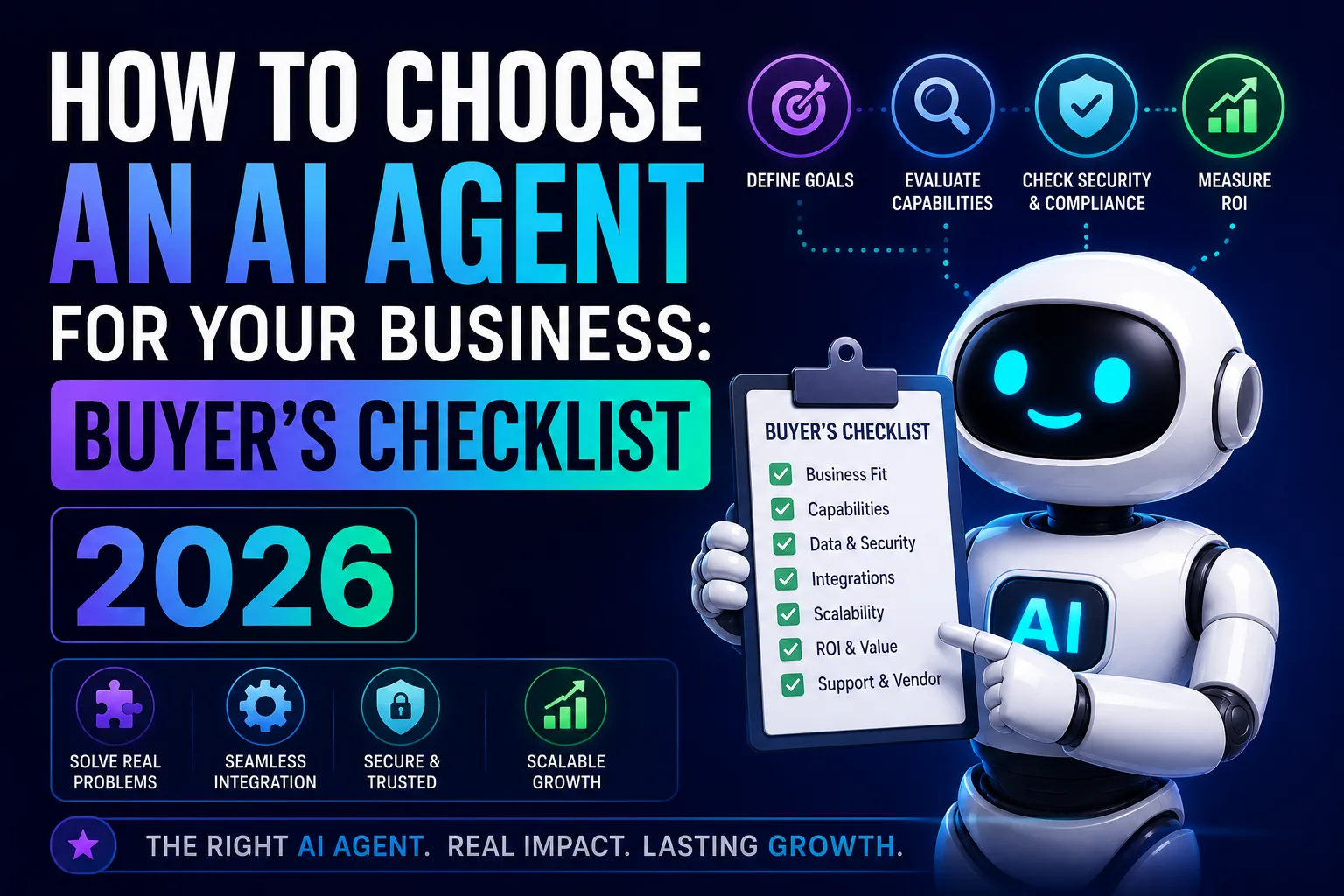
How to Choose an AI Agent for Your Business: Buyer’s Checklist 2026
Navigate AI agent selection for your business with our comprehensive checklist. Discover key criteria, essential features, and how to find the right fit.

The Rise of Vision AI Agents: From Security Cameras to Autonomous Operations
Explore the transformative impact of Vision AI Agents, from enhancing security cameras to powering autonomous operations across industries. Discover their applications and future.
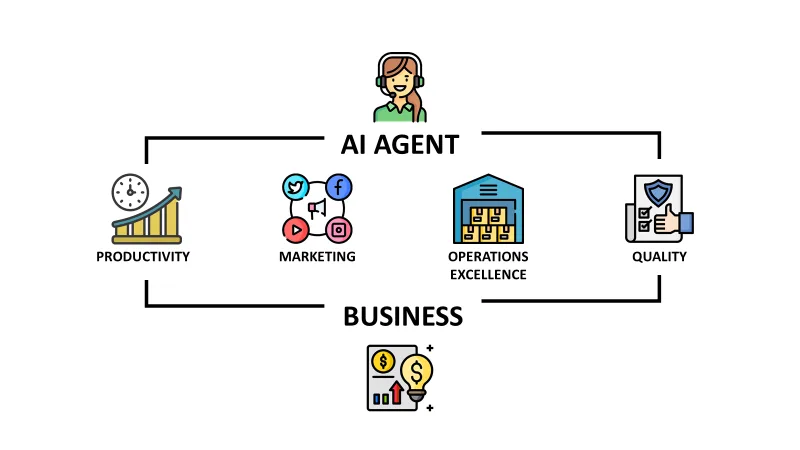
How to Make AI Agents Work for Your Business: A Strategic Guide
Learn how to effectively integrate AI agents into your business operations. Discover strategies for deployment, workflow automation, and scaling your AI capacity.
Continue exploring
Find AI agents by workflow
More in Industry Insights
Browse more articles in the Industry Insights category.
Runta AI agent execution layer articles
Explore more guides and insights tagged Runta AI agent execution layer.
AI agent infrastructure articles
Explore more guides and insights tagged AI agent infrastructure.
AI Agent Categories
Browse use-case pages for sales, productivity, coding, customer service, and more.
AI Agents Landscape
Explore the full directory map and compare agents by workflow and category.
Agent Skills
Find reusable skills, capabilities, and building blocks for AI agent workflows.