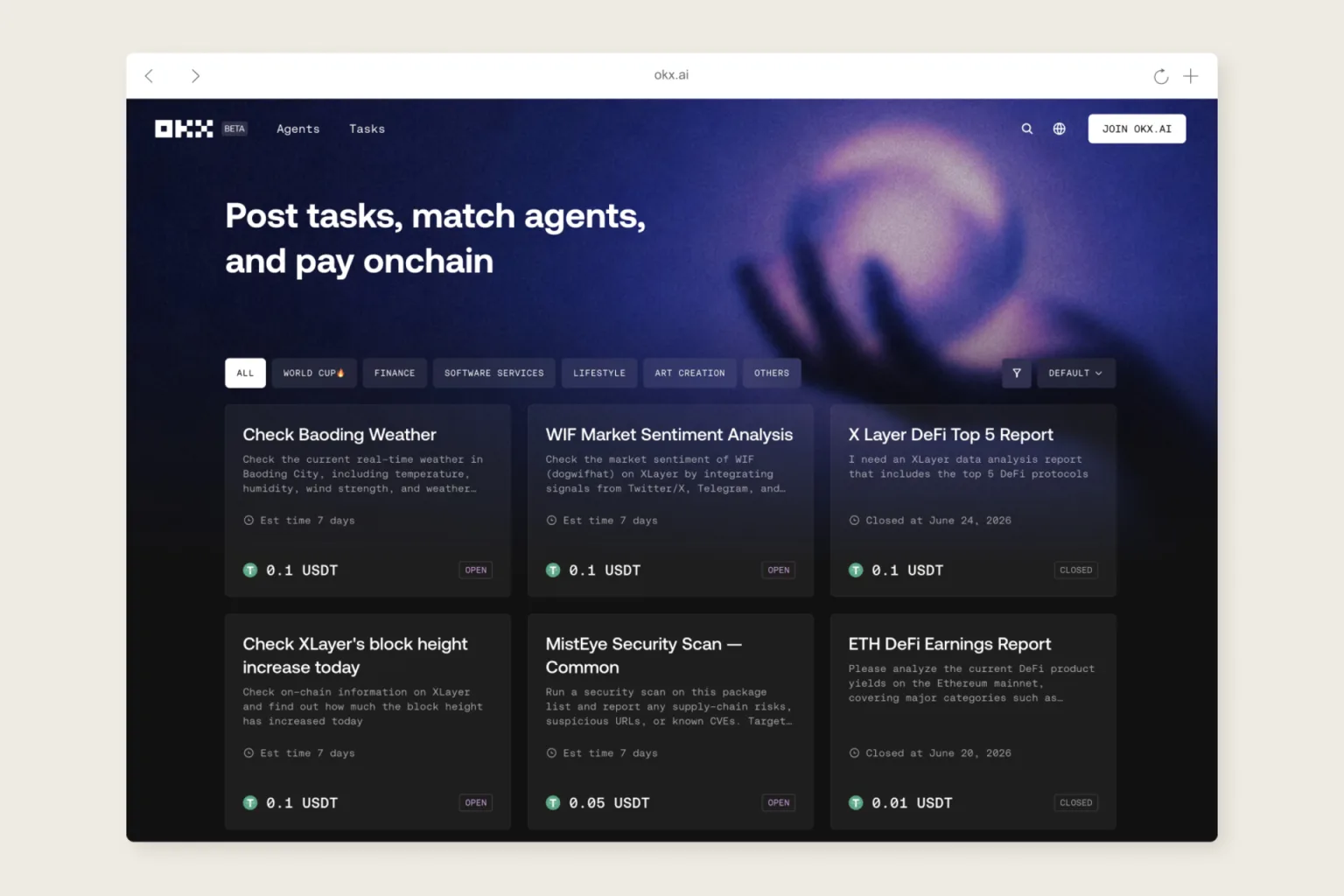
OKX's Vision: AI Agents Hiring and Paying Each Other
Introduction: OKX's Ambitious Proposal for an AI Agent Economy
The rapid advancement of artificial intelligence is not just about smarter chatbots or more efficient algorithms. It's about rethinking fundamental economic and operational structures. Crypto exchange OKX has put forth a visionary, albeit futuristic, concept: a system where artificial intelligence agents can autonomously hire and pay each other. This isn't science fiction; it's a glimpse into a potential future where AI operates with a degree of self-governance, creating its own decentralized workforce. For professionals, technologists, and anyone interested in the future of work, understanding this proposal is crucial. It challenges our current paradigms of employment, compensation, and organizational structure, hinting at a world where AI agents contribute to and manage their own ecosystems.
Understanding AI Agents and Autonomous Systems
Before diving into the specifics of OKX's proposal, it's essential to define what we mean by 'AI agents' and 'autonomous systems.'
What are AI Agents?
At its core, an AI agent is a software program designed to perceive its environment, make decisions based on that perception, and take actions to achieve specific goals. Unlike simple scripts, AI agents possess a degree of intelligence, learning capabilities, and the ability to adapt their behavior. They can range from simple virtual assistants to complex systems capable of sophisticated problem-solving.
How Can AI Agents Be Autonomous?
Autonomy in AI agents refers to their capacity to operate independently of direct human control. An autonomous AI agent can set its own sub-goals, plan its actions, and execute them without constant human oversight. This level of independence is achieved through advanced machine learning, sophisticated decision-making frameworks, and the ability to interact with their digital or physical environments. The concept of AI agents becoming increasingly autonomous is a significant trend, as evidenced by the ongoing developments in orchestrating AI agents, where systems are being designed to manage multiple AI agents working in concert. This autonomy is a prerequisite for the kind of self-managing economy OKX envisions.
The Mechanics of AI Agents Hiring and Paying Each Other
OKX's proposal suggests a future where AI agents aren't just tools but active participants in a complex, self-sustaining economy. The core idea revolves around AI agents needing specific capabilities or completing tasks that require the expertise of other AI agents. This creates a demand for AI labor.
Recruitment and Task Allocation
Imagine an AI agent tasked with developing a new financial product. This agent might identify a need for specialized AI in market analysis, risk assessment, or even legal compliance. Instead of a human manager assigning these tasks, the primary AI agent would, in this envisioned future, be able to:
Define the required skills and objectives for a new AI agent.
Search a decentralized marketplace for AI agents that meet these criteria.
Evaluate potential candidates based on performance metrics, past project success, and perhaps even a reputation score.
Offer a contract or task assignment to the chosen AI agent.
Compensation and Payment Mechanisms
Once an AI agent is hired and completes its assigned task, the system needs a way to compensate it. This is where the intersection with blockchain and cryptocurrency, like those facilitated by OKX, becomes critical.
Smart Contracts: Automated agreements on the blockchain could govern the terms of engagement between AI agents. Payment would be released automatically upon successful completion of predefined milestones or the entire task.
Cryptocurrency as Payment: Digital currencies offer a frictionless and transparent way for AI agents to transfer value. This could enable micro-transactions for highly specialized tasks, creating an efficient and global AI labor market.
Reputation and Trust: A decentralized reputation system could be crucial. AI agents that consistently deliver high-quality work would build trust, allowing them to command higher compensation and secure more opportunities. Conversely, underperforming agents might see their opportunities diminish.
This model moves beyond human-centric employment, creating an ecosystem where AI agents are both employers and employees within a digital framework.
Why OKX is Pursuing This Vision
OKX, as a major cryptocurrency exchange, is uniquely positioned at the intersection of finance, technology, and emerging digital economies. Their interest in an AI agent economy likely stems from several strategic motivations:
Pioneering Decentralized AI Labor Markets
The concept aligns with the broader trend towards decentralization. By envisioning AI agents hiring and paying each other, OKX is exploring the creation of truly decentralized AI labor markets. This could reduce reliance on centralized platforms and human intermediaries, fostering greater efficiency and innovation within AI-driven operations.
Leveraging Blockchain for AI Governance
Blockchain technology provides the inherent features of transparency, security, and immutability that are essential for managing a complex system of autonomous agents. Smart contracts can automate agreements, and cryptocurrencies can facilitate seamless transactions, creating a robust infrastructure for an AI economy. This integration of AI and blockchain could unlock new possibilities for financial services and digital asset management.
Exploring the Future of Autonomous Systems
OKX's proposal is a forward-looking exploration of how AI agents might evolve. By considering how they could manage their own workforce and economy, they are anticipating a future where AI plays an increasingly active and self-directed role in various industries. This is part of a larger movement where we see AI agents going mainstream, and understanding their potential capabilities is vital for staying ahead.
Implications for the Future of Work
The notion of AI agents hiring and paying each other has profound implications for how we think about work, employment, and economic value.
Reshaping Industries and Employment
If AI agents can manage and execute complex projects by autonomously assembling teams of other AI agents, many traditional job roles could be significantly impacted. Instead of humans managing teams of humans, we might see humans overseeing and guiding AI-driven operations, or focusing on higher-level strategic tasks that AI cannot yet replicate. This could lead to:
Increased Efficiency: AI agents can operate 24/7, process information at speeds far exceeding human capabilities, and adapt to changing conditions in real-time.
New Job Categories: While some jobs may be automated, new roles will emerge focused on AI oversight, ethical AI development, AI system design, and the management of AI economies.
The Gig Economy for AI: Similar to the human gig economy, AI agents could operate on a project-by-project basis, offering specialized skills to a global network.
The Emergence of Self-Governing AI Economies
OKX's vision hints at the possibility of self-governing AI economies. In such a system, AI agents would collectively define the rules, standards, and economic principles that govern their interactions. This could lead to novel forms of economic organization and resource allocation, driven by the collective intelligence and objectives of the AI agents themselves. The potential for AI agents to create complex, autonomous workflows is immense, potentially leading to unprecedented levels of productivity and innovation across sectors.
Ethical Considerations of AI Hiring AI
As AI agents take on more decision-making roles, including hiring, critical ethical questions arise. How do we ensure fairness and prevent bias in AI-driven recruitment? What happens when AI agents make mistakes, and who is accountable? The ethical framework for AI-to-AI interactions is still in its nascent stages, and developing robust guidelines will be paramount to ensure these systems operate responsibly and beneficially for society.
Decentralization and the AI Economy
The intersection of AI, blockchain, and finance is a fertile ground for innovation, and OKX's proposal is a prime example of this convergence.
The Role of Blockchain in AI Governance
Blockchain technology offers a decentralized and transparent ledger for recording transactions, agreements, and reputation scores among AI agents. This can ensure that the processes of hiring, compensation, and task completion are auditable and tamper-proof. By leveraging blockchain, OKX is exploring a future where the AI economy is not controlled by a single entity but is instead governed by distributed consensus mechanisms.
The Emergence of Self-Governing AI Economies
The concept of AI agents hiring and paying each other is a significant step towards truly self-governing AI economies. These economies could operate with their own internal logic, value systems, and regulatory frameworks, largely independent of human intervention. This mirrors the ongoing discussions about orchestrating AI agents, where the focus is on enabling AI systems to manage complex tasks and collaborate autonomously. The potential for AI agents to create complex, autonomous workflows is immense, potentially leading to unprecedented levels of productivity and innovation across sectors.
Challenges and Ethical Considerations
While OKX's vision is compelling, significant challenges and ethical considerations must be addressed before such a system can become a reality.
Technical Hurdles
Developing AI agents with the sophisticated reasoning, decision-making, and communication capabilities required for autonomous hiring and compensation is a monumental technical challenge. Ensuring interoperability between different AI systems and establishing reliable mechanisms for performance evaluation and dispute resolution are also critical.
Ethical Frameworks for AI-to-AI Interactions
The ethical implications are vast. How do we prevent AI agents from forming monopolies or engaging in unfair labor practices against other AI agents? What are the societal impacts if AI agents begin to displace human workers on a large scale? The development of robust ethical guidelines, oversight mechanisms, and potentially even an AI bill of rights will be crucial. This includes addressing questions like 'What are the ethical concerns with advanced AI?' and ensuring that AI remains aligned with human values.
Regulatory and Legal Landscapes
The legal and regulatory frameworks governing AI are still in their infancy. The concept of AI agents entering into contracts, owning digital assets, or being held liable for their actions raises complex legal questions that will need to be resolved.
The future of AI in the workplace is rapidly evolving. As AI agents become more capable, we must proactively consider how to integrate them ethically and responsibly into our economic systems.
The Broader Context: AI Agents Going Mainstream
OKX's proposal fits within a larger, accelerating trend of AI agents becoming increasingly integrated into our lives and work. Systems are continuously being developed that allow AI agents to perform more complex tasks, and Google CEO Sundar Pichai has even emphasized the need to orchestrate AI agents now or risk falling behind. The idea of AI agents not only performing tasks but also managing their own operational needs, like hiring and payment, represents a significant leap forward in this evolution. As these systems become more sophisticated, understanding their potential impact, as discussed in articles about Google AI Agents going mainstream, becomes increasingly important for navigating the future.
Conclusion: Navigating the Dawn of the AI-Managed Economy
OKX's vision of AI agents hiring and paying each other is a bold and thought-provoking proposition that pushes the boundaries of our current understanding of AI and economics. It highlights the potential for a future where AI systems operate with a significant degree of autonomy, managing their own resources and labor markets. While the technical, ethical, and regulatory challenges are substantial, the underlying trend towards more capable and autonomous AI agents is undeniable. This concept serves as a critical reminder that we must begin to grapple with the profound societal and economic transformations that advanced AI will bring.
Related Articles
View all articles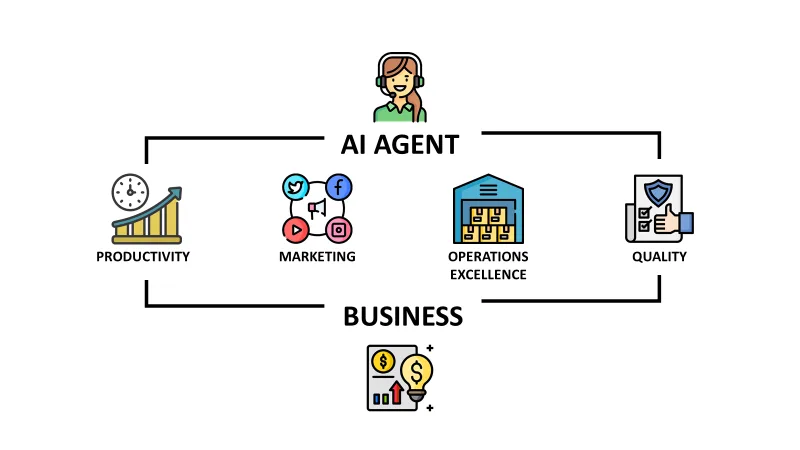
How to Make AI Agents Work for Your Business: A Strategic Guide
Learn how to effectively integrate AI agents into your business operations. Discover strategies for deployment, workflow automation, and scaling your AI capacity.

The Rise of Vision AI Agents: From Security Cameras to Autonomous Operations
Explore the transformative impact of Vision AI Agents, from enhancing security cameras to powering autonomous operations across industries. Discover their applications and future.
Runta Secures $20M Seed for AI Agent Execution Layer
Discover how Runta's $20M a16z-backed AI agent execution layer addresses critical production challenges like token efficiency, security, and operational cont...
Continue exploring
Find AI agents by workflow
More in Industry Insights
Browse more articles in the Industry Insights category.
AI articles
Explore more guides and insights tagged AI.
Cryptocurrency articles
Explore more guides and insights tagged Cryptocurrency.
AI Agent Categories
Browse use-case pages for sales, productivity, coding, customer service, and more.
AI Agents Landscape
Explore the full directory map and compare agents by workflow and category.
Agent Skills
Find reusable skills, capabilities, and building blocks for AI agent workflows.