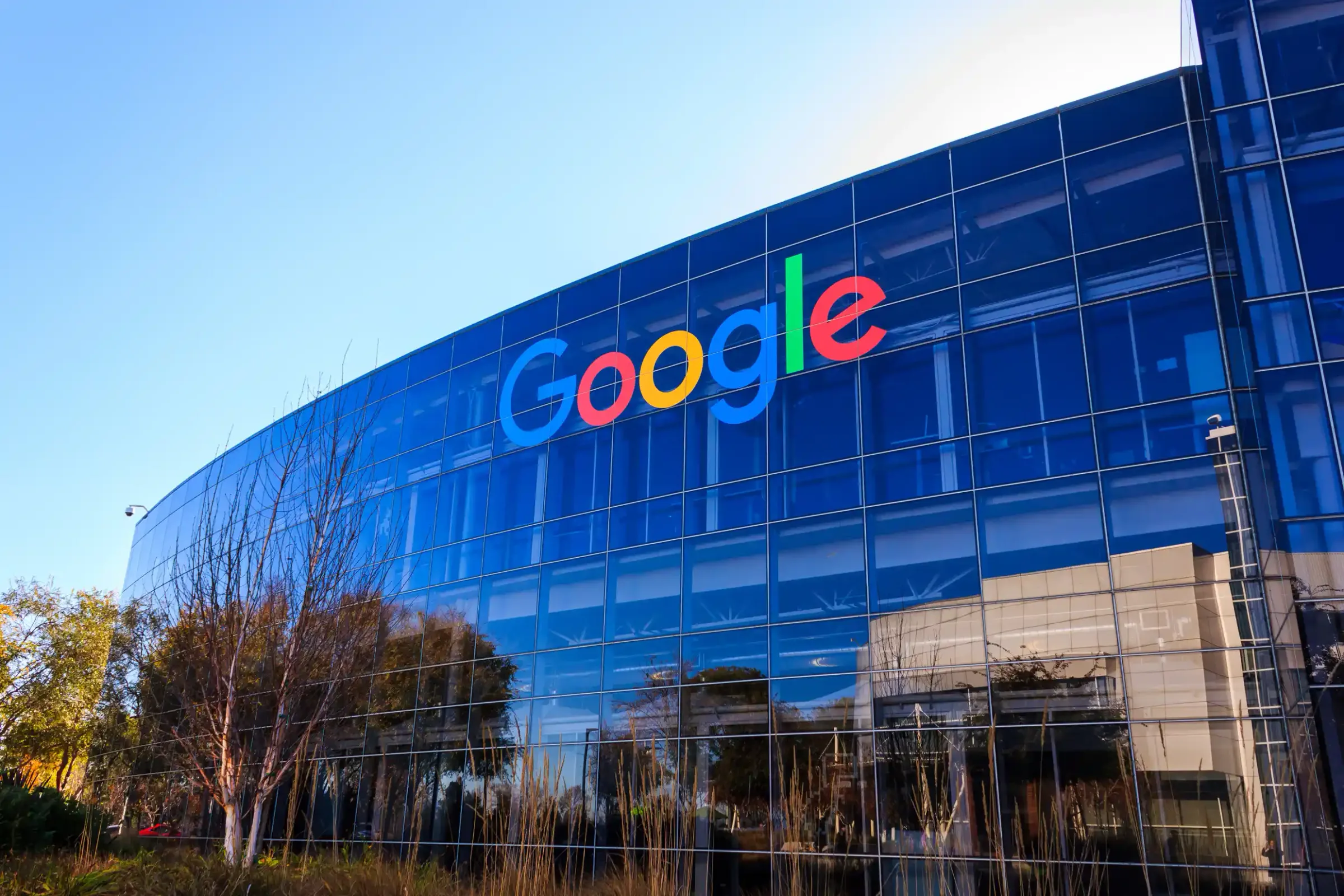
Google AI Agents Are Going Mainstream: What It Means for You
What Are AI Agents and Why Are They Becoming Mainstream?
The term "AI agent" is rapidly moving from research labs into our daily conversations and technology. But what exactly are AI agents, and why is their integration into the mainstream a significant development? Simply put, an AI agent is an entity that perceives its environment and takes actions to achieve goals. Unlike traditional software, which follows explicit instructions, AI agents can learn, adapt, and make decisions autonomously based on their understanding of the situation and their objectives.
The shift towards mainstream adoption is driven by several factors: advancements in machine learning, increased computational power, and the growing demand for more intuitive and proactive digital assistants. We're moving beyond simple command-and-response interactions towards systems that can understand context, anticipate needs, and execute complex tasks with minimal human oversight. This evolution is fundamentally changing how we interact with technology and how technology serves us.
Google's Vision for AI Agents
Google, a long-time leader in artificial intelligence research, is at the forefront of bringing AI agents into everyday life. The company's vision is to create AI that is helpful, accessible, and integrated seamlessly into users' workflows and personal lives. This isn't just about improving search results or offering better recommendations; it's about building intelligent systems that can act on behalf of users, automate tedious tasks, and provide proactive assistance.
Google's AI advancements are deeply rooted in its extensive research in areas like large language models (LLMs) and generative AI. These technologies enable AI agents to understand natural language, generate creative content, reason, and plan. The company is exploring various ways to deploy these capabilities, aiming to make AI agents a natural extension of our digital selves. The impact of Google's AI agents on search, for instance, is expected to be profound, shifting from a query-response model to a more conversational and task-oriented interaction.
Key Capabilities and Applications of Google's AI Agents
The potential applications of Google's AI agents are vast and span across numerous domains. These agents are being designed with a focus on practical utility, aiming to solve real-world problems and enhance user productivity.
AI Agents as Personal Assistants and Task Automators
One of the most exciting prospects is the development of AI agents that function as sophisticated personal assistants. Imagine an agent that can not only schedule your appointments but also book travel, research information for a project, draft emails, and even manage your smart home devices, all based on a simple verbal request or a high-level objective. This level of automation can free up significant time and cognitive load for users.
Generative AI Agents and Creative Support
Leveraging generative AI, these agents can assist with creative tasks. This could include helping to write code, generate marketing copy, brainstorm ideas for content, or even create visual assets. The generative AI agents are not just about producing output but about collaborating with users, offering suggestions, and refining ideas iteratively.
Understanding and Interacting with the World
Beyond text-based interactions, AI agents are increasingly being equipped with multimodal capabilities. This means they can understand and process information from various sources, including images, audio, and video. For example, an agent could analyze a photo to identify objects or provide context, or process a spoken request with greater nuance. This is a crucial step towards more sophisticated AI that can perceive and interact with the physical world, much like the advancements seen in areas where AI agents need eyes, such as security and autonomous systems.
How Google AI Agents Will Change Daily Life
The integration of these capabilities promises to fundamentally alter our daily routines. Tasks that once required multiple steps and software applications could be consolidated into single, intelligent interactions. For instance, planning a complex event might involve an AI agent coordinating with calendars, booking services, and communicating with participants, all orchestrated from a single prompt.
The Impact on User Experience and Daily Tasks
The widespread adoption of AI agents signifies a significant evolution in human-computer interaction. We are moving towards a paradigm where technology is less of a tool we operate and more of a partner we collaborate with.
The Democratization of AI Capabilities
One of the most significant impacts will be the democratization of advanced AI capabilities. Previously, complex AI tools were often limited to specialized professionals. With AI agents, these powerful functionalities will become accessible to a broader audience, empowering individuals and small businesses to achieve more with less. This democratization is key to unlocking new waves of innovation and productivity.
AI Agents as Seamless Integrators
Google's AI agents are poised to act as seamless integrators across different platforms and services. Instead of switching between apps to find information or complete a task, users will be able to delegate these actions to their AI agent, which can then interact with various services on their behalf. This promises a more fluid and less fragmented digital experience.
The Evolution of Human-Computer Interaction
The way we interact with computers is becoming more natural and intuitive. Voice commands, contextual understanding, and proactive suggestions are replacing rigid command structures. This shift makes technology more accessible and less intimidating, fostering a deeper and more productive relationship between humans and their digital tools.
What are AI agents and how do they work?
At their core, AI agents work by perceiving their environment through sensors (which can be digital, like data feeds, or physical, like cameras), processing that information using AI models, and then taking actions through effectors (like displaying information, sending an email, or controlling a device). They often operate within a loop of perception, reasoning, and action, continuously learning and adapting to improve their performance over time. The sophistication of these agents is rapidly increasing, enabling them to handle more complex and nuanced tasks.
Considerations and Challenges: Ethics, Privacy, and Reliability
While the potential benefits of AI agents are immense, their widespread integration also raises critical considerations and challenges that need careful attention.
Ethical Implications
As AI agents become more autonomous, ethical questions surrounding decision-making, bias, and accountability become paramount. Ensuring that AI agents operate fairly, without perpetuating existing societal biases, is a significant challenge. Transparency in how these agents make decisions and clear lines of responsibility are essential.
Privacy Concerns
AI agents often require access to personal data to function effectively. This raises significant privacy concerns. Robust data protection measures, clear consent mechanisms, and user control over their data are crucial to building trust and ensuring responsible deployment. Users need to understand what data is being collected, how it's being used, and have the ability to manage it.
Reliability and Safety
The reliability of AI agents is critical, especially when they are tasked with important functions. Errors in judgment or unexpected behavior could have serious consequences. Rigorous testing, validation, and continuous monitoring are necessary to ensure that AI agents are safe and dependable. The potential risks of AI agents, particularly in sensitive applications, must be thoroughly addressed.
How do AI agents differ from chatbots?
While both AI agents and chatbots use AI, they differ in scope and capability. Chatbots are primarily designed for conversational interaction, often to answer questions or provide information within a defined domain. AI agents, on the other hand, are designed to be more autonomous and proactive. They can perceive their environment, make decisions, and take actions to achieve goals, often integrating with multiple systems to complete complex tasks. Think of a chatbot as a helpful receptionist, while an AI agent could be a personal executive assistant.
What are the benefits of AI agents?
The benefits of AI agents are numerous and include increased efficiency and productivity through task automation, enhanced personalization of services, improved decision-making through data analysis, greater accessibility to complex technologies, and the potential for novel creative and problem-solving applications.
The Future of AI Agents and Google's Role
The trajectory of AI agents is one of increasing sophistication, integration, and autonomy. We can expect to see them become even more deeply embedded in our digital and physical lives, acting as indispensable partners in navigating the complexities of modern living.
Google's role in this future will likely continue to be pivotal. With its vast resources, extensive AI research, and a user base that spans billions, the company is well-positioned to shape the development and deployment of AI agents. The focus will likely remain on creating helpful, safe, and user-centric AI that augments human capabilities rather than replacing them.
The intersection of AI and generative AI is a particularly fertile ground for future innovation. As these technologies mature, AI agents will become more adept at understanding nuanced requests, generating creative solutions, and adapting to dynamic environments. The continued exploration of AI agents that can perceive and interact with the world, such as those with advanced vision capabilities, will further blur the lines between the digital and physical realms.
As we move forward, the conversation around AI agents will undoubtedly evolve. Understanding their capabilities, limitations, and ethical implications will be crucial for individuals and society as a whole. The journey of AI agents from niche research topics to mainstream tools is a testament to rapid technological progress, promising a future where intelligent automation plays an ever-growing role in our lives.
Related Articles
View all articles
AI Agents in Higher Education: Uses and Best Tools for 2026
Explore how AI agents are transforming higher education in 2026, including 15 use cases, the best tools for students and faculty, benefits, risks, and implementation guidance.
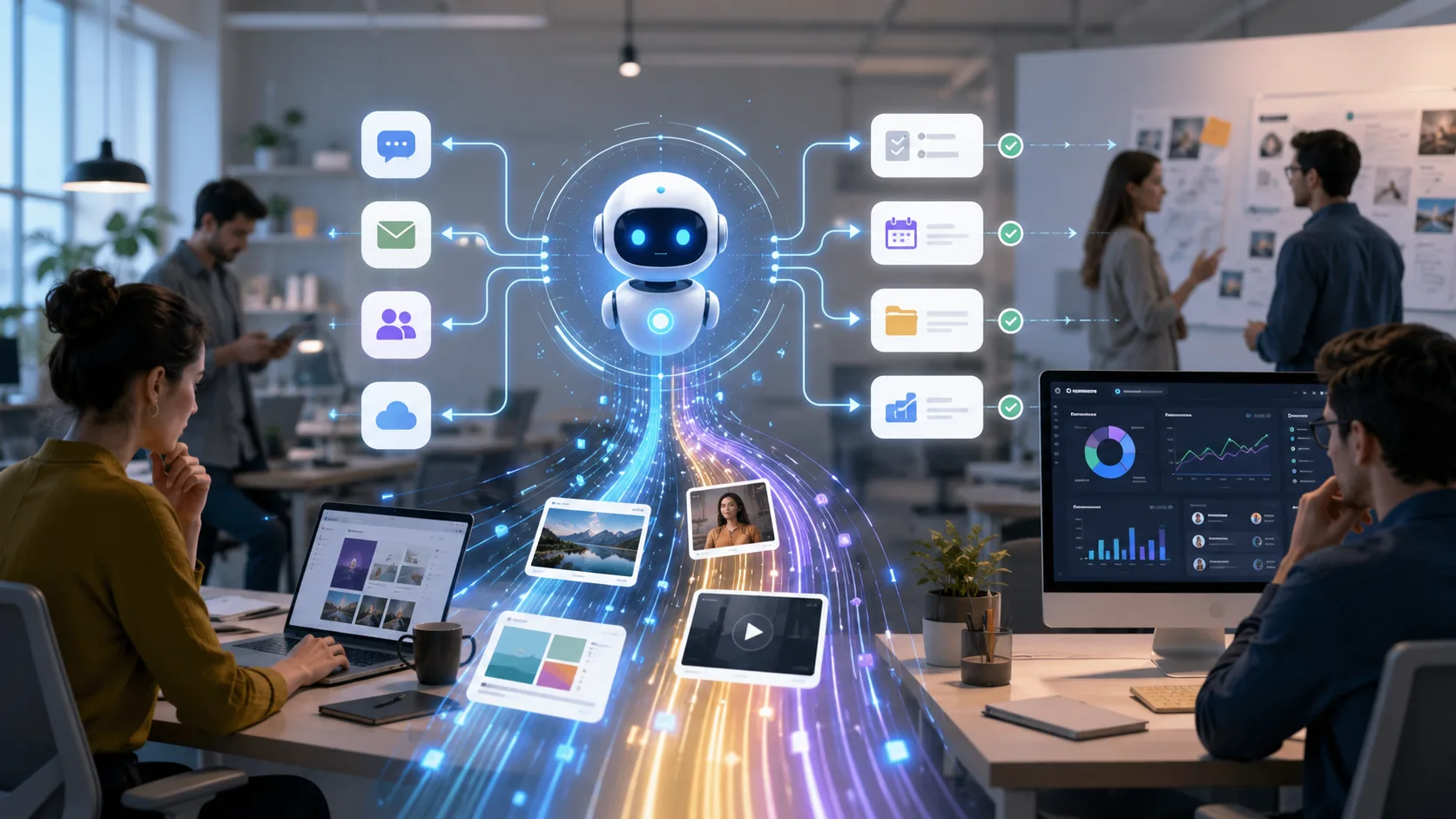
How AI Agents Are Transforming Agency Operations
Discover how AI agents are transforming agency operations, automating tasks, enhancing creativity, and improving client service. Learn the benefits and future of AI for agencies.
How to Evaluate AI Voice Agents for Business
Learn how to choose the best AI voice agents for phone calls. Master integration, latency, and data privacy to automate your customer service effectively.
Continue exploring
Find AI agents by workflow
More in Industry Insights
Browse more articles in the Industry Insights category.
AI articles
Explore more guides and insights tagged AI.
Google articles
Explore more guides and insights tagged Google.
AI Agent Categories
Browse use-case pages for sales, productivity, coding, customer service, and more.
AI Agents Landscape
Explore the full directory map and compare agents by workflow and category.
Agent Skills
Find reusable skills, capabilities, and building blocks for AI agent workflows.