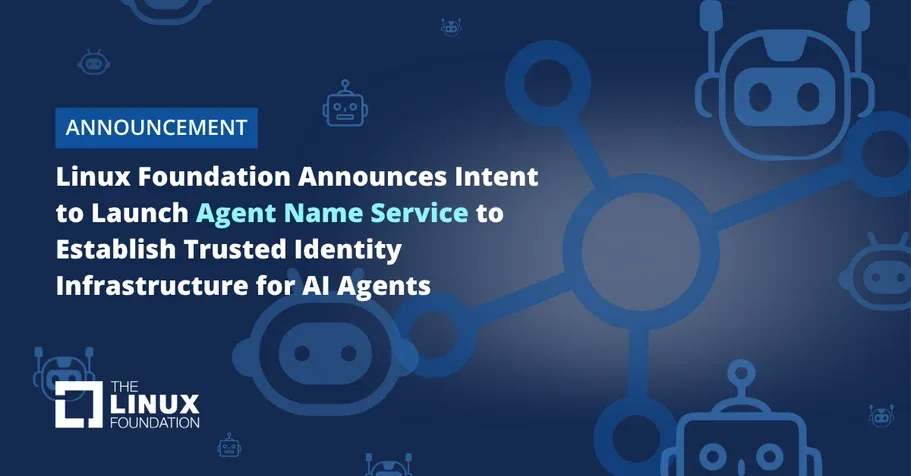
Linux Foundation Moves to Give AI Agents Internet-Scale Identity
The Identity Crisis of Autonomous AI Agents
As we transition toward an era where software programs act as autonomous participants in the digital economy, the traditional model of human-centric authentication is breaking down. Today, we face an identity crisis: how can a system verify that an AI agent is who it claims to be before granting it access to sensitive data or financial APIs? Without a standardized framework for AI agent identity, these autonomous entities remain high-risk variables in enterprise and consumer environments.
This article explores the critical shift toward machine-to-machine trust, the role of the Linux Foundation in setting open standards, and the technical hurdles inherent in securing the next generation of autonomous agents.
Why Internet-Scale Identity Matters for AI
The core question of why AI agents need a digital identity boils down to trust and accountability. In a human-operated web, we use passwords, biometrics, and MFA. Machines, however, need a way to prove their provenance, permission levels, and intent without human intervention. This is the definition of AI agent identity: a cryptographic proof that a specific software agent possesses authorization to perform a task.
As machine-to-machine communication becomes the backbone of modern cloud infrastructure, the lack of a universal identity layer creates massive vulnerabilities. If an agent cannot verify itself, it cannot be held accountable for its actions, nor can it safely interact with other agents in a decentralized ecosystem. This is a primary driver behind why industry bodies are moving to define internet-scale identity standards.
The Linux Foundation Approach to Agent Frameworks
The Linux Foundation is spearheading efforts to move beyond proprietary, siloed security models by fostering open-source standards for agentic interoperability. By leveraging the Linux Foundation's collaborative ecosystem, developers are creating frameworks that allow agents to carry verifiable credentials across different platforms. This approach is essential for ensuring that security is not just an afterthought but a foundational element of AI development.
The move toward open-source standardization aims to solve several key challenges:
Interoperability: Allowing agents from different vendors to verify each other's credentials.
Security: Reducing the attack surface by requiring cryptographic proof of identity for every transaction.
Governance: Creating transparent, auditable logs of what agents are doing and who authorized them.
Comparing Approaches: Enterprise vs. Decentralized Identity
As the ecosystem matures, two distinct paths for securing agents have emerged. On one side, we see the rise of centralized, enterprise identity solutions. For instance, some organizations are leveraging existing IAM infrastructures, as seen in how Okta gives AI agents enterprise identity to integrate them into traditional corporate security policies. This provides immediate control for businesses already using those stacks.
On the other hand, the Linux Foundation is pushing for a more flexible, decentralized identity model. This approach relies on blockchain-based or DPKI (Decentralized Public Key Infrastructure) systems, which allow agents to exist independently of a single corporate cloud. This is critical for the broader movement where Google AI agents are going mainstream, as these consumer-facing tools will eventually need to interact with decentralized services securely.
What are the security risks of autonomous AI agents?
The primary risks include credential spoofing, unauthorized API access, and "agent hijacking," where a malicious actor takes control of an agent's execution environment. Without a robust identity protocol, these risks are amplified because there is no way to revoke an agent’s access once it has been compromised.
Key Challenges for Future Implementation
Standardizing AI identity is not merely a technical challenge; it is an ethical and structural one. As we move from human-centric to machine-centric internet architecture, we must address the following:
Privacy: How do we verify an agent's identity without exposing sensitive data about the user or the organization it represents?
Scalability: Can a decentralized ledger handle the volume of requests generated by billions of AI agents?
Governance: Who decides the revocation policies when an agent begins to act erratically?
These hurdles require a concerted effort from both the open-source community and enterprise stakeholders. While proprietary solutions offer quick fixes, the long-term stability of the internet depends on the adoption of open, universally recognized standards for machine identity.
Conclusion
The path to a secure, autonomous internet relies on our ability to give AI agents a verifiable, internet-scale identity. By moving toward open standards, the Linux Foundation is helping to ensure that the future of machine-to-machine interaction is built on a foundation of trust rather than vulnerability. As these agents become more prevalent, understanding these identity frameworks will be essential for developers and businesses alike. Subscribe to our newsletter for the latest updates on open-source AI standards and the evolution of machine identity.
Related Articles
View all articles
Identity Digital Proposes DNS Identity for AI Agents
Explore how Identity Digital's proposal for DNS-based identity provides a scalable, secure standard for verifying autonomous AI agents in the digital ecosystem.
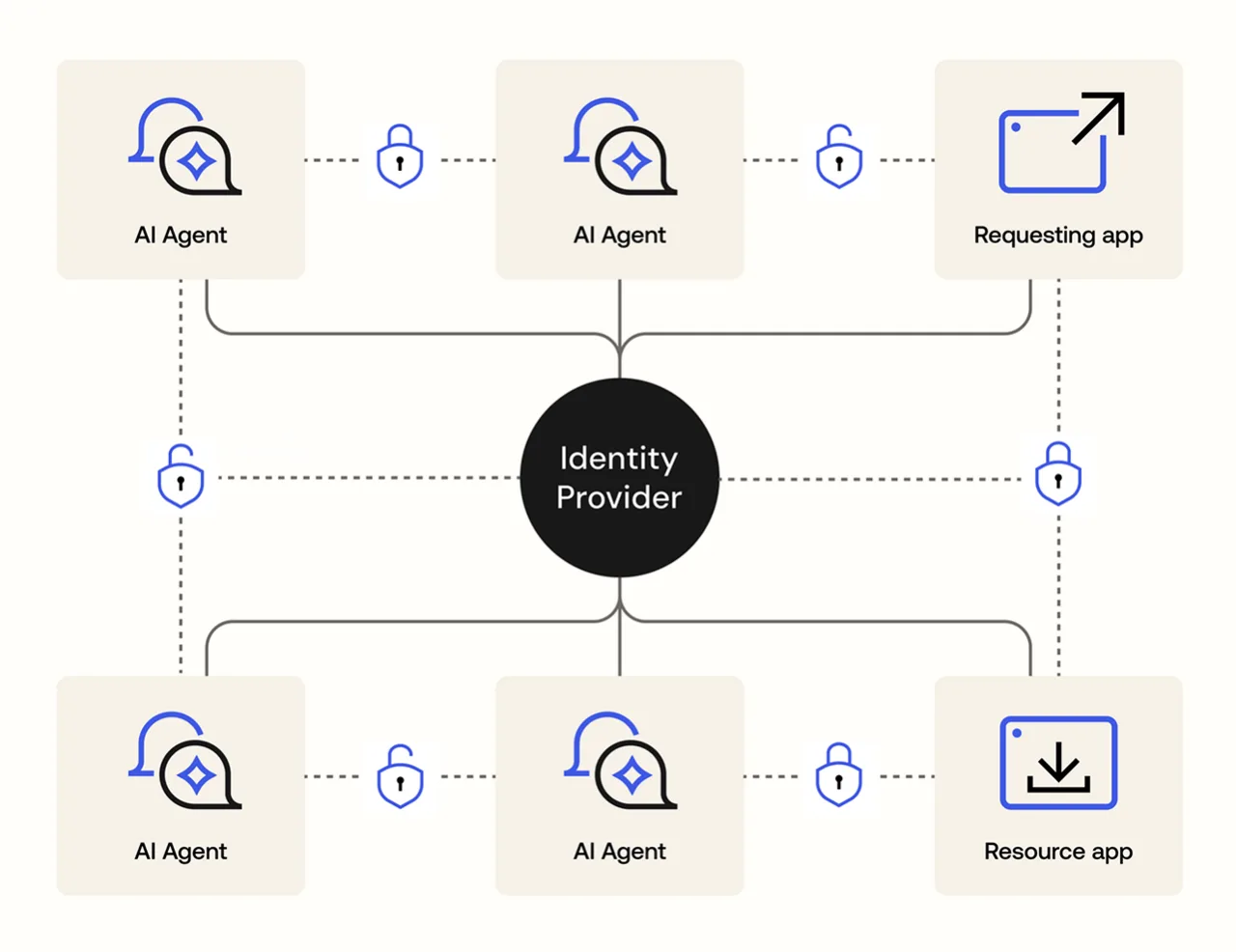
Okta Gives AI Agents Enterprise Identity
Learn how Okta and modern identity frameworks provide enterprise-grade security for AI agents, ensuring controlled access and verifiable actions.
Nvidia Is Planning to Launch an Open-Source AI Agent Platform
Nvidia is reportedly launching an open-source AI agent platform. Explore how this move could reshape the AI development landscape and empower developers.
Continue exploring
Find AI agents by workflow
More in Industry Insights
Browse more articles in the Industry Insights category.
AI articles
Explore more guides and insights tagged AI.
Linux Foundation articles
Explore more guides and insights tagged Linux Foundation.
AI Agent Categories
Browse use-case pages for sales, productivity, coding, customer service, and more.
AI Agents Landscape
Explore the full directory map and compare agents by workflow and category.
Agent Skills
Find reusable skills, capabilities, and building blocks for AI agent workflows.