Estonia's AI 'ID Codes': A New Frontier in Autonomous Agent Governance
The Need for AI Governance in an Autonomous World
As artificial intelligence systems become increasingly sophisticated, autonomous agents are transitioning from theoretical concepts to practical realities across numerous sectors. These agents, capable of acting independently to achieve specific goals, promise unprecedented efficiency and innovation. However, their autonomy introduces complex challenges, particularly concerning accountability, transparency, and ethical operation. Without clear frameworks for identification and governance, understanding who or what is responsible when an autonomous agent errs becomes a significant hurdle. This is where pioneering nations like Estonia are stepping in to define the future of how we manage these advanced digital entities.
What are Estonia's AI 'ID Codes'?
Estonia, a nation renowned for its digital innovation and e-governance, is exploring the creation of unique 'ID Codes' for autonomous AI agents. The fundamental purpose of these AI ID Codes is to establish a verifiable identity for artificial intelligence systems that operate autonomously. Much like a digital passport for humans, these codes would serve to identify, track, and potentially regulate the activities of AI agents. This initiative aims to bring a new level of accountability and transparency to the burgeoning field of AI, addressing critical questions such as:
What is the purpose of AI ID codes?
How will AI agents be regulated in the future?
By assigning a distinct identifier, Estonia seeks to create a traceable digital footprint for each autonomous agent, making it easier to understand their origins, capabilities, and actions within the digital realm. This is a crucial step in building trust and ensuring that AI systems operate within defined legal and ethical boundaries.
Why Estonia is Leading the Way in AI Regulation
Estonia's proactive stance on digital governance is not new. Having built a robust digital society with services like e-residency and secure digital signatures, the country is well-positioned to tackle the complexities of governing advanced technologies. Estonia's reputation as a digital pioneer stems from its willingness to innovate and adapt its legal and administrative frameworks to the evolving digital landscape. This forward-thinking approach is evident in its exploration of AI ID Codes, demonstrating a commitment to ensuring that technological advancement is accompanied by responsible stewardship. Estonia's approach to digital governance has always been about empowering citizens and businesses through secure, accessible digital solutions, and this initiative extends that philosophy to the realm of artificial intelligence.
How AI ID Codes Could Work and Their Implications
The conceptual framework for Estonia's AI ID Codes involves creating a unique digital identifier that could be embedded within an autonomous agent's core programming or operational framework. This ID would likely be linked to verifiable information about the agent's developer, owner, intended purpose, and operational parameters. The mechanism could potentially leverage existing digital identity technologies, possibly integrating with blockchain for enhanced security and immutability, creating a decentralized ledger of AI agent activities.
Identifying and Tracking Autonomous Agents
The primary function of an AI ID Code would be to provide a clear and unambiguous way to identify a specific autonomous agent. This would enable:
Attribution: Pinpointing which agent performed a particular action.
Monitoring: Tracking an agent's behavior and adherence to protocols.
Auditing: Facilitating post-incident analysis and accountability.
Implications for Autonomous Agents and Responsibility
The introduction of AI ID Codes has profound implications for the development, deployment, and operation of autonomous agents. It shifts the paradigm towards greater accountability by:
Clarifying Responsibility: When an AI agent causes harm or makes a significant error, the ID code could help trace the chain of responsibility back to its creators, operators, or owners. This directly addresses the question of how AI agents will be regulated in the future by providing a mechanism for enforcement.
Enabling Legal Standing: While not granting AI agents legal personhood, these IDs could form the basis for a new category of digital entity with defined responsibilities and liabilities, akin to how product liability works.
Facilitating Ethical Deployment: Developers and deployers would be incentivized to ensure their agents operate ethically and within legal bounds, knowing that their actions are traceable. This ties into the ethical considerations for autonomous AI, ensuring that safeguards are built into the system from the outset.
The implications extend to understanding the operational landscape. For instance, the advancements in AI are creating new categories of agents, such as those discussed in The Rise of Vision AI Agents: From Security Cameras to Autonomous Operations, where clear identification becomes paramount for their responsible integration into society.
Broader Impact on AI Regulation and Ethics
Estonia's initiative to create AI ID Codes is more than just a national policy; it represents a significant step in the global race for AI governance frameworks. By establishing a precedent for digital identity for non-human entities, Estonia could influence international standards and regulations. The move highlights the critical intersection of blockchain and AI identity, as decentralized technologies offer robust solutions for secure and transparent identification systems.
The ethical considerations for autonomous AI are vast, ranging from bias and fairness to safety and control. AI ID Codes offer a foundational tool to address these concerns by providing the necessary traceability to ensure that ethical guidelines are not only articulated but also enforceable. Countries that are leading in AI regulation are increasingly looking towards frameworks that balance innovation with safety, and Estonia's approach could offer valuable insights. This development also brings into focus the potential for significant shifts in how AI agents are managed, with some analyses suggesting that without proper governance, a substantial portion of these agents could face limitations or demotion, as highlighted in discussions around Gartner Warns 40% of Autonomous Agents Could Be Demoted by 2027.
The concept of digital identity for non-human entities is a nascent but critical area. As AI agents become more capable, their integration into legal and economic systems will necessitate clear identification and accountability mechanisms. Estonia's AI ID Codes are a bold proposal that could pave the way for a more structured and responsible future for AI.
Challenges and Future Outlook
Despite the promising nature of AI ID Codes, several challenges lie ahead. The technical implementation must be secure, scalable, and robust enough to withstand sophisticated attempts at manipulation. Furthermore, establishing international consensus on the standards and legal implications of these codes will be crucial for their global efficacy. There are also debates to be had regarding the extent of data an AI ID should contain and who should have access to it, balancing transparency with privacy and proprietary information.
The future outlook for Estonia's AI ID Code initiative is one of potential leadership in a rapidly evolving field. As other nations grapple with the complexities of AI regulation, Estonia's practical, albeit conceptual, approach provides a tangible model to consider. The success of this initiative could significantly shape how we ensure accountability in advanced AI systems and define the digital identity of artificial intelligence for years to come.
Estonia's commitment to digital innovation continues to drive its policy-making, aiming to create a secure and transparent digital future for all its inhabitants, including its burgeoning AI agents.
Related Articles
View all articles
Identity Digital Proposes DNS Identity for AI Agents
Explore how Identity Digital's proposal for DNS-based identity provides a scalable, secure standard for verifying autonomous AI agents in the digital ecosystem.
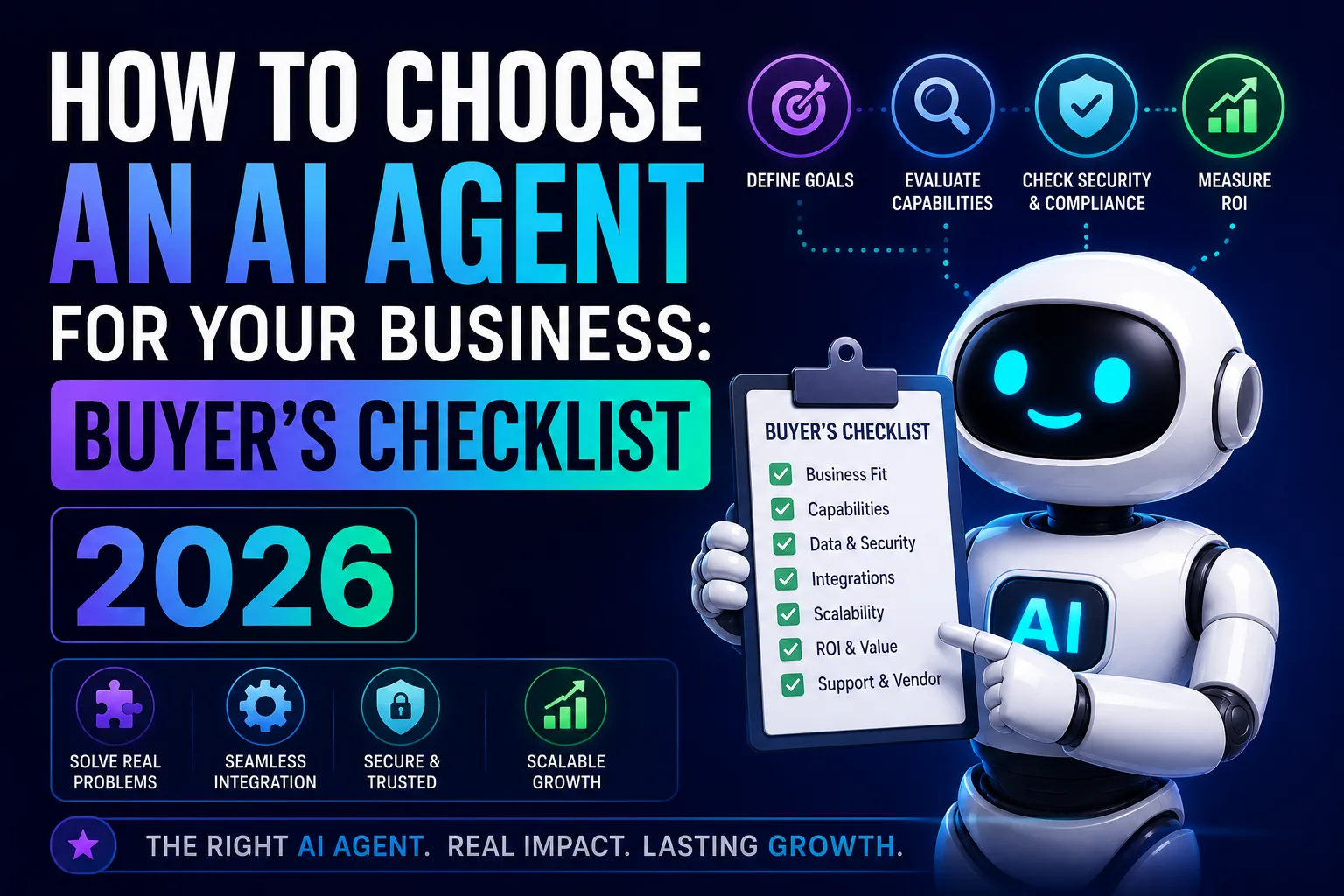
How to Choose an AI Agent for Your Business: Buyer’s Checklist 2026
Navigate AI agent selection for your business with our comprehensive checklist. Discover key criteria, essential features, and how to find the right fit.

Runta Secures $20M Seed for AI Agent Execution Layer
Discover how Runta's $20M a16z-backed AI agent execution layer addresses critical production challenges like token efficiency, security, and operational cont...
Continue exploring
Find AI agents by workflow
More in Industry Insights
Browse more articles in the Industry Insights category.
AI articles
Explore more guides and insights tagged AI.
Estonia articles
Explore more guides and insights tagged Estonia.
AI Agent Categories
Browse use-case pages for sales, productivity, coding, customer service, and more.
AI Agents Landscape
Explore the full directory map and compare agents by workflow and category.
Agent Skills
Find reusable skills, capabilities, and building blocks for AI agent workflows.