Bosses Realize Their Companies Have Been Swarmed by Legions of Redundant AI Agents
The Illusion of AI Efficiency: When More Isn't Better
In the rush to embrace artificial intelligence, many organizations have inadvertently found themselves in a peculiar predicament: their companies have been swarmed by legions of redundant AI agents. The initial promise of AI automation was to streamline operations, boost productivity, and unlock new levels of efficiency. However, a lack of strategic oversight and rapid, siloed deployment has led to a proliferation of AI agents that often duplicate efforts, consume resources unnecessarily, and create more complexity than they solve. This post is for business leaders and IT professionals grappling with the growing challenges of AI implementation, offering a clear path to understanding and rectifying AI agent overload.
The 'AI Hype Cycle' has undoubtedly fueled a rapid enterprise adoption, but this enthusiasm can sometimes outpace a well-defined strategy. The outcome of reading this post will be a clearer understanding of why this phenomenon occurs, its tangible costs, and actionable steps to audit, manage, and optimize your AI agent landscape for genuine value, not just volume.
Why Companies Are Being Swarmed by Redundant AI Agents
The proliferation of redundant AI agents is rarely a deliberate act of inefficiency. Instead, it's often the byproduct of several common organizational and technological factors:
Poor Planning and Unchecked Enthusiasm
The allure of AI capabilities can lead to departmental or team-level adoption without a cohesive enterprise-wide strategy. Different units might independently implement AI solutions to solve specific problems, unaware that similar agents are being developed or are already in place elsewhere. This siloed approach, driven by a desire to quickly leverage AI, bypasses crucial strategic alignment.
Siloed Development and Lack of Oversight
In many organizations, AI development happens within functional teams or even by individual developers. Without a central authority or robust governance framework, there's no mechanism to track existing AI agents, their functionalities, or their deployment status. This can result in multiple agents performing the same or similar tasks, leading to AI agent overload.
Rapid Evolution of AI Tools
The AI landscape is evolving at an unprecedented pace. New tools and platforms emerge frequently, offering enhanced capabilities. As teams seek to adopt the latest advancements, they may deploy new agents without adequately assessing if existing agents can be updated or repurposed, contributing to redundancy.
Inadequate Lifecycle Management
AI agents, much like any software, require ongoing management. If there isn't a clear process for retiring or decommissioning agents that are no longer needed, have become obsolete, or are superseded by newer, more efficient solutions, they can linger and contribute to the swarm.
The 'AI Hype Cycle' and Enterprise Adoption
The current AI hype cycle encourages rapid experimentation. While this can lead to innovation, it also means that many companies are deploying AI solutions without the mature processes needed to manage them effectively. The focus is often on getting AI working, rather than ensuring it's working optimally and efficiently in the broader organizational context.
The Tangible Costs of AI Agent Overload
The presence of numerous redundant AI agents isn't just an organizational tidiness issue; it carries significant financial and operational implications. Understanding these costs is the first step towards implementing effective AI agent governance.
Wasted Resources and Increased Complexity
Each AI agent, whether redundant or not, consumes computational resources, requires maintenance, and adds to the overall complexity of the IT infrastructure. Redundant agents exacerbate this, leading to higher cloud computing bills, increased energy consumption, and a more challenging environment for IT support and development teams to manage. This directly contributes to the cost of too many AI agents.
Potential Security Risks
An unmanaged swarm of AI agents can create significant security vulnerabilities. Each agent represents a potential entry point or attack vector. If these agents are not regularly updated, monitored, or have their access permissions reviewed, they can become targets for malicious actors. The lack of clear oversight makes it difficult to identify and remediate these risks promptly.
Reduced Overall Efficiency
Ironically, a large number of AI agents, especially redundant ones, can decrease overall business efficiency. Instead of streamlining workflows, they can create confusion, lead to conflicting outputs, and require human intervention to reconcile discrepancies. This can lead to more work than AI agents save, negating the intended benefits of automation.
Impediments to Strategic AI Integration
When an organization is overwhelmed by AI agents, it becomes challenging to implement broader, more strategic AI initiatives. The existing chaotic landscape can make it difficult to gain a clear picture of the AI ecosystem, hindering efforts to build a unified and effective AI strategy. This also raises the question: what are the risks of unchecked AI agent deployment? The answer lies in these escalating costs and inefficiencies.
Identifying the Redundant Agents in Your Organization
To address AI agent overload, organizations must first identify which agents are truly redundant. This requires a systematic audit and a clear understanding of AI agent governance.
Conducting an AI Agent Inventory
The initial step is to create a comprehensive inventory of all AI agents currently deployed within the organization. This should include:
Agent Name and Purpose
Developer/Team Responsible
Date of Deployment
Functionality and Tasks Performed
Resources Utilized (e.g., compute, data access)
Dependencies and Integrations
Current Usage Metrics
This inventory serves as the foundation for understanding your AI landscape and identifying companies overwhelmed by AI agents.
Auditing for Duplication and Inefficiency
Once an inventory is compiled, the next phase is to audit for redundancy. This involves:
Functionality Mapping: Comparing the stated purpose and actual tasks of each agent to identify overlaps.
Performance Analysis: Evaluating the efficiency and effectiveness of each agent. Are there newer agents performing the same task more efficiently?
Usage Assessment: Determining if agents are actively being used and providing value. Agents with low or no usage are prime candidates for decommissioning.
Cost-Benefit Analysis: Assessing the resources consumed by an agent against the value it provides.
This process directly addresses how to identify redundant AI agents and answers the question, "Can AI agents create more work than they save?" by highlighting those that do.
Establishing AI Agent Governance
To prevent future redundancy and ensure ongoing efficiency, a robust AI agent governance framework is essential. This framework should define policies and procedures for the entire lifecycle of an AI agent, from conception and development to deployment, monitoring, and decommissioning. It ensures that AI agents are aligned with business objectives and contribute to overall organizational goals. This directly relates to what is AI agent governance and how can companies ensure their AI agents are efficient?
Strategies for Managing and Streamlining AI Agent Deployments
Effectively managing AI agents moves beyond mere identification; it requires strategic implementation and continuous optimization. The evolution of AI agent management is shifting from a tactical, tool-focused approach to a strategic, value-driven one.
Implementing a Centralized AI Oversight Function
Establishing a dedicated team or committee responsible for AI strategy and governance is crucial. This function can oversee the entire AI agent lifecycle, ensuring alignment with business objectives, standardizing development practices, and managing the inventory of AI agents. This function is key to preventing future AI agent overload.
Establishing Clear Lifecycle Management Policies
For every AI agent deployed, there should be a clear plan for its lifecycle. This includes:
Defined Objectives: Clearly articulate what each agent is intended to achieve.
Performance Metrics: Set measurable key performance indicators (KPIs) to track effectiveness.
Regular Reviews: Schedule periodic reviews to assess continued relevance and efficiency.
Decommissioning Procedures: Establish a clear process for retiring agents that are no longer needed or effective.
This approach ensures that AI agents remain valuable assets and are not allowed to become dormant drains on resources.
Fostering Collaboration and Knowledge Sharing
Encourage collaboration between different teams working with AI. Sharing best practices, common challenges, and successful strategies can prevent the reinvention of the wheel and reduce the likelihood of duplicate efforts. Platforms for sharing AI agent documentation and performance data can be invaluable.
Leveraging AI Management Platforms
Specialized AI management platforms are emerging that can help organizations track, monitor, and manage their AI agent deployments. These tools can automate aspects of the inventory process, monitor performance, and flag potential issues, thereby supporting AI agent efficiency and providing insights into how to audit your AI agents effectively.
Strategic Integration of AI Agents
Consider how AI agents can work together synergistically rather than in isolation. This might involve developing agents that can communicate and collaborate, or designing workflows where one agent's output serves as the input for another. This approach leads to more powerful and integrated AI solutions. For a glimpse into the future of autonomous business operations, consider exploring how AI agents are running companies.
The Future of AI Agent Governance: Ensuring Value, Not Volume
The future of AI agent deployment hinges on a strategic, value-driven approach rather than a volume-driven one. As AI continues to integrate deeper into business operations, the need for robust AI governance frameworks will only intensify. This means moving beyond the reactive identification of redundant AI agents to a proactive strategy that ensures every AI agent deployed delivers measurable value.
The economic implications of inefficient AI automation are substantial. Companies that master AI agent governance will gain a competitive edge by optimizing their investments, reducing operational overhead, and unlocking the true potential of AI. This requires a cultural shift towards continuous evaluation and strategic integration, much like how financial tools are evolving to support AI operations. For instance, innovations like giving AI agents their own wallets by companies such as Stripe, as detailed in Stripe Gives AI Agents Their Own Wallet, highlight the ongoing evolution of AI's role and the infrastructure needed to support it.
Ultimately, the goal is not to deploy the most AI agents, but to deploy the right AI agents, performing the right tasks, in the most efficient and secure manner possible. This strategic foresight will define successful AI adoption in the years to come.
Assess your current AI agent landscape. Are you facing an overload, or are your agents working in harmony? Share your experiences and strategies in the comments below.
Related Articles
View all articles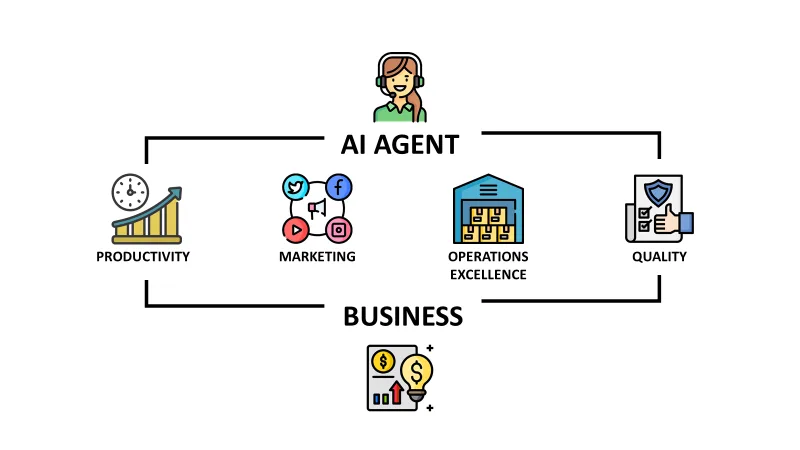
How to Make AI Agents Work for Your Business: A Strategic Guide
Learn how to effectively integrate AI agents into your business operations. Discover strategies for deployment, workflow automation, and scaling your AI capacity.
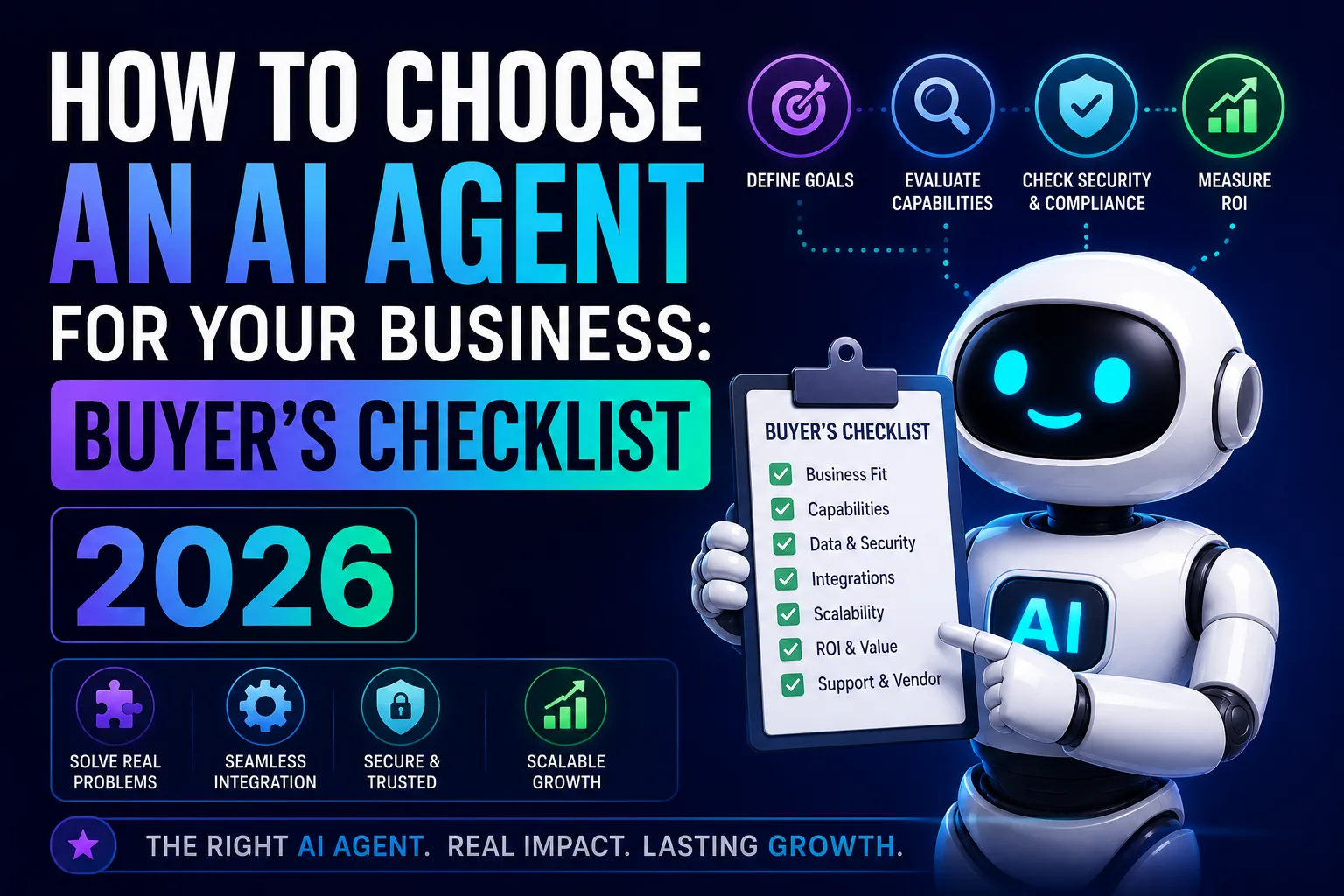
How to Choose an AI Agent for Your Business: Buyer’s Checklist 2026
Navigate AI agent selection for your business with our comprehensive checklist. Discover key criteria, essential features, and how to find the right fit.

How to Compare AI Agents Before Using Them in Your Business
Learn how to compare AI agents effectively. Evaluate performance, integration capabilities, and security to choose the right automation tools for your business.
Continue exploring
Find AI agents by workflow
More in Industry Insights
Browse more articles in the Industry Insights category.
AI articles
Explore more guides and insights tagged AI.
Automation articles
Explore more guides and insights tagged Automation.
AI Agent Categories
Browse use-case pages for sales, productivity, coding, customer service, and more.
AI Agents Landscape
Explore the full directory map and compare agents by workflow and category.
Agent Skills
Find reusable skills, capabilities, and building blocks for AI agent workflows.