
Wearables and AI Agents: The Next Personal Assistant May Live on Your Body
The Dawn of Wearable AI Assistants
Imagine a personal assistant that not only understands your spoken requests but also anticipates your needs based on your environment, your physiological state, and your daily routines. This isn't science fiction; it's the burgeoning reality of wearables AI agents. These sophisticated artificial intelligence systems, designed to reside on devices worn on our bodies, promise to redefine personal assistance, moving beyond the limitations of smartphones and smart speakers to offer an ever-present, deeply integrated, and contextually aware companion.
This article explores the exciting intersection of wearable technology and AI agents. We will delve into what these technologies are, why their synergy is so powerful, and how they are poised to transform our daily lives. We'll also examine the evolution of personal assistance and address the crucial challenges and considerations that come with such intimate technology. For anyone interested in the future of personal technology and how AI will integrate into our everyday existence, this is a crucial evolution to understand.
What Are AI Agents and Wearables?
Before diving into their combined potential, it's essential to define our terms. An AI agent is a computational entity that perceives its environment through sensors and acts upon that environment through actuators. Unlike simple AI programs that perform single tasks, AI agents are designed to be autonomous, goal-directed, and capable of learning and adapting over time. They can process information, make decisions, and execute actions, often in complex and dynamic situations.
Wearable technology, on the other hand, refers to electronic devices that can be worn on the body, either as accessories or as part of clothing. These devices are equipped with various sensors capable of collecting data about the wearer and their surroundings. Examples range from smartwatches and fitness trackers to smart rings, augmented reality glasses, and even biosensors embedded in clothing. The key characteristic is their constant proximity to the user and their ability to gather continuous streams of personal and environmental data.
The Synergy: Why Wearables Are the Perfect Home for AI Agents
The integration of AI agents into wearable devices creates a powerful synergy, leveraging the unique strengths of both technologies. Wearables provide the ideal platform for AI agents due to several key factors:
Constant Availability: Unlike a smartphone that might be in a bag or on a desk, a wearable is almost always on the user's person, ensuring the AI agent is accessible whenever needed.
Contextual Awareness: Wearables are rich in sensors (heart rate monitors, accelerometers, GPS, microphones, environmental sensors). This allows AI agents to gather real-time data about the user's physical state, activity levels, location, and immediate environment, providing unparalleled context for their actions and recommendations.
Proactive Assistance: With continuous data streams, AI agents can move beyond reactive commands to proactive suggestions. For instance, an AI agent might notice a rising heart rate during a stressful meeting and suggest a brief mindfulness exercise, or detect a change in gait and alert the user to a potential fall risk.
Unobtrusive Interface: Wearables offer a more seamless and less intrusive way to interact with AI compared to pulling out a phone or speaking aloud in public. Subtle haptic feedback, discreet visual cues, or even background processing can deliver assistance without demanding constant attention.
This convergence is fueled by the increasing sophistication of AI models that can now perform complex tasks on edge devices, meaning they can process data locally without needing to send everything to the cloud. This not only improves speed and reduces latency but also enhances privacy. The growing demand for personalized and proactive assistance further solidifies the role of wearables as the next frontier for AI.
Transforming Daily Life: Use Cases and Applications
The potential applications for wearable AI agents are vast and span numerous aspects of daily life. Here are a few examples:
Enhanced Productivity and Task Management
Your wearable AI could manage your calendar with unprecedented intelligence, not just reminding you of appointments but suggesting optimal travel times based on real-time traffic and your current location. It could filter incoming notifications, prioritizing what truly needs your attention based on your current task and context. For professionals, this could mean an AI assistant that learns your work patterns and proactively surfaces relevant documents or information before a meeting.
Personalized Health and Wellness
Beyond basic fitness tracking, AI agents on wearables can offer sophisticated health insights. They can monitor vital signs, detect anomalies that might indicate early signs of illness, and provide personalized fitness and nutrition advice based on your body's real-time responses. For individuals managing chronic conditions, a body-worn AI could offer continuous monitoring and timely alerts to both the user and their healthcare providers. The AI on your wrist might learn your sleep patterns and offer tailored advice for better rest, or detect signs of fatigue and suggest a break. Similarly, the best AI glasses could be particularly useful for older adults, people with disabilities, busy professionals, or anyone who benefits from hands-free access to information, reminders, navigation, and other everyday assistance.
Seamless Smart Home Integration
As smart homes become more prevalent, wearables can act as the ultimate remote control and intelligent hub. Imagine walking into your home and your wearable AI, recognizing your presence and preferences, automatically adjusts the lighting, thermostat, and music. It could also learn your routines and anticipate your needs, like starting your coffee maker when it detects you're waking up. This level of integration makes the smart home truly responsive to its occupants. The future of personal assistants on wearables is deeply intertwined with the development of smart homes, creating a connected ecosystem.
Augmented Reality and Information Access
For devices like AR glasses, AI agents are crucial for providing context-aware information. An AI agent could identify objects or people in your field of view and provide relevant data, or guide you through complex tasks with step-by-step visual instructions. This opens up new possibilities for learning, navigation, and even hands-free work. The concept of AI agents needing eyes, in a sense, is fulfilled by the sensory input of advanced wearables, as explored in AI Agents Need Eyes: Why Cameras Are Becoming the Next Agent Interface.
The Evolution of Personal Assistance: From Voice to Body
The journey of personal assistants has been a rapid one. We've moved from basic digital organizers to voice-activated smart speakers and now to the sophisticated AI agents being integrated into our wearables. Early personal assistants were largely reactive, relying on explicit commands. Smart speakers like Alexa and Google Assistant brought a more conversational interface, making AI more accessible in our homes. However, these assistants are often tied to a specific device or location.
The advent of wearable technology future integration with AI agents signifies a paradigm shift. It's about moving from a device-centric model to a person-centric one. Your AI assistant is no longer confined to a speaker or a phone; it's a constant, unobtrusive companion that understands you on a deeper, more personal level. This allows for a more proactive and personalized AI experience through wearables, anticipating needs before they are even consciously articulated.
Platforms like Perplexity's 'Personal Computer' are pushing the boundaries of what 24/7 AI assistance can mean, offering an always-on, deeply integrated AI experience. You can learn more about such advancements in Perplexity Introduces 'Personal Computer' for 24/7 AI Assistance.
Challenges and Considerations
Despite the immense potential, the widespread adoption of wearable AI agents faces several significant challenges:
Privacy and Data Security
When an AI agent lives on your body, it has access to an unprecedented amount of personal data – your health metrics, location, conversations, and daily habits. Ensuring this data is collected, stored, and processed securely and ethically is paramount. Users need robust control over their data and transparency regarding how it's used. The ethical implications and user trust surrounding always-on, body-worn AI are critical for widespread acceptance.
Battery Life and Processing Power
Running sophisticated AI models continuously requires significant processing power and energy. Current battery technology for many wearables is a limiting factor. Advances in power-efficient chipsets and battery technology are crucial for enabling these AI agents to perform complex tasks without constant recharging.
Accuracy and Reliability
For AI agents to be truly useful, they must be highly accurate and reliable. Errors in health monitoring, task management, or contextual understanding could have serious consequences. Continuous learning and rigorous testing are necessary to ensure these agents function as intended.
User Adoption and Trust
Ultimately, the success of wearable AI agents depends on user acceptance. People need to feel comfortable with the idea of an AI companion constantly monitoring and assisting them. Building trust through transparency, user control, and demonstrable value will be key to overcoming potential skepticism.
Interoperability
As more devices and platforms emerge, ensuring seamless interoperability between different wearables, AI agents, and other smart devices will be vital for creating a cohesive user experience.
The Future Landscape: What's Next for Wearable AI
The future of wearable AI agents is incredibly promising. We can expect to see:
More Sophisticated Contextual Understanding: AI agents will become better at interpreting complex environmental cues and user states, leading to more nuanced and helpful interactions.
Enhanced Personalization: AI will move beyond generic advice to hyper-personalized recommendations tailored to an individual's unique physiology, psychology, and lifestyle.
Seamless Integration with Other AI Systems: Wearable AI agents will likely act as personal interfaces to broader AI ecosystems, including cloud-based AI services and smart home networks.
New Form Factors: Beyond watches and glasses, expect AI to be integrated into a wider range of wearables, from clothing to implants, offering even more intimate and continuous data capture.
Focus on Ethical AI: As the technology matures, there will be an increased emphasis on developing AI agents that are fair, transparent, and accountable, with strong user privacy protections.
The convergence of sensor technology and AI for richer contextual understanding is accelerating, paving the way for wearables to act as a continuous, unobtrusive interface for AI. This evolution promises to make AI not just a tool, but a true partner in our daily lives.
Conclusion: Embracing the Wearable AI Revolution
The integration of AI agents into wearable technology marks a significant leap forward in personal assistance. By offering constant availability, deep contextual awareness, and proactive support, these body-worn AI companions are set to revolutionize how we interact with technology and manage our lives. While challenges related to privacy, power, and trust remain, the trajectory is clear: the next generation of personal assistants will likely live on our bodies, offering unparalleled convenience, personalization, and utility.
Embrace this evolution. Explore the possibilities, understand the implications, and prepare for a future where your AI companion is always with you, helping you navigate the complexities of modern life with greater ease and intelligence.
Related Articles
View all articles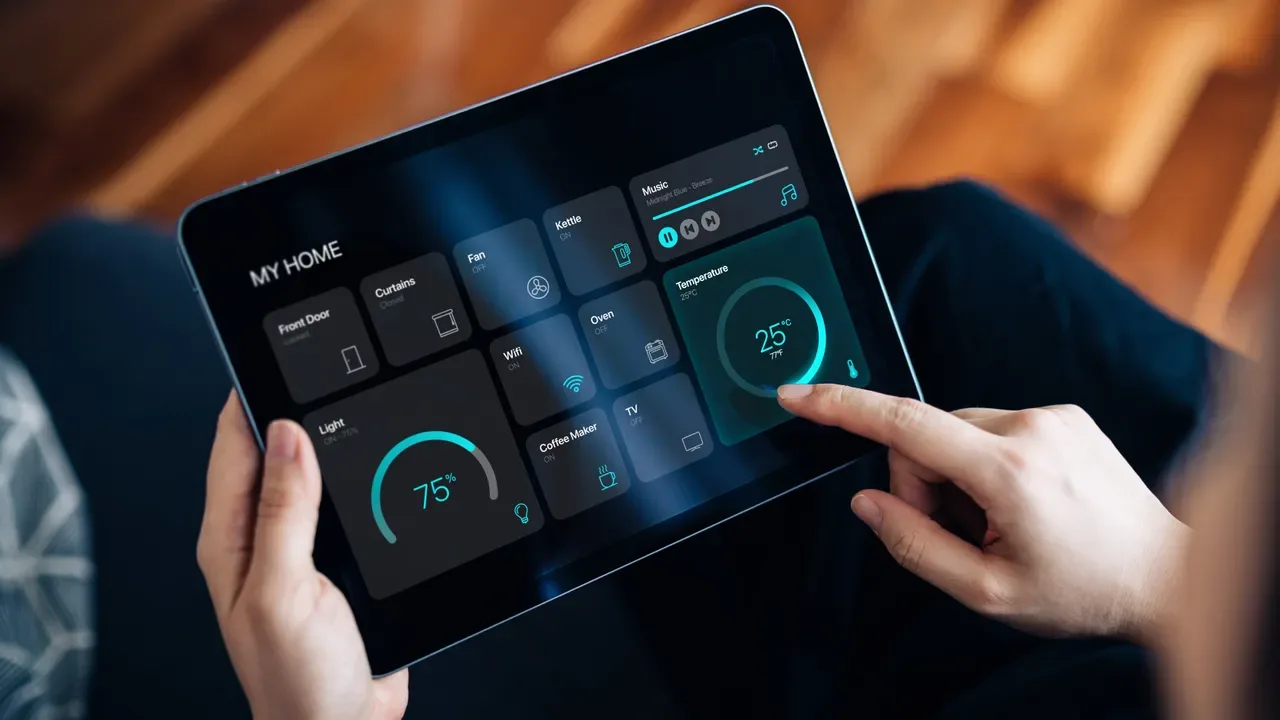
From Smart Homes to Agentic Homes: How AI Agents Will Control Connected Devices
Explore the evolution from smart homes to agentic homes, where AI agents proactively manage connected devices for a truly intelligent living experience.
How to Make AI Agents Work for Your Business: A Strategic Guide
Learn how to effectively integrate AI agents into your business operations. Discover strategies for deployment, workflow automation, and scaling your AI capacity.
AI Gives You Answers. Your Personal AI Agent Makes Things Happen.
Discover how personal AI agents evolve from information providers to proactive assistants that make things happen. Explore their capabilities, benefits, and future.
Continue exploring
Find AI agents by workflow
More in Industry Insights
Browse more articles in the Industry Insights category.
AI articles
Explore more guides and insights tagged AI.
Wearables articles
Explore more guides and insights tagged Wearables.
AI Agent Categories
Browse use-case pages for sales, productivity, coding, customer service, and more.
AI Agents Landscape
Explore the full directory map and compare agents by workflow and category.
Agent Skills
Find reusable skills, capabilities, and building blocks for AI agent workflows.