US Tariffs & Domestic Investment: Shaping AI Agents in 2025
The year 2025 marks a pivotal moment in the evolution of artificial intelligence. AI agents—autonomous digital assistants that learn, reason, and execute multi‑step tasks—are revolutionizing industries across the board. However, recent US tariffs imposed on semiconductors on April 2 have stirred concerns about rising hardware costs and supply chain disruptions. At the same time, significant domestic investments from TSMC, Nvidia, and expansive US‑based data centers are strengthening local production and infrastructure. In this complex landscape, AI agents are emerging as a go‑to solution, offering businesses both agility and resilience.
The April 2 Tariffs: Implications for AI Agents
On April 2, new US tariffs were levied on imported semiconductors—key components powering the advanced GPUs and processors that underpin modern AI agents. The immediate consequences include:
Rising Hardware Costs:
Tariffs drive up the price of essential components, increasing R&D expenses and potentially slowing the pace of innovation, particularly for startups and SMBs.Supply Chain Disruptions:
Uncertainty in global supply chains may lead to delays and shortages, complicating the rapid development and deployment of AI agents.Budget Reallocation:
Higher hardware costs force companies to reconsider their spending, often diverting funds from innovation and model training to cover increased expenses.
Domestic Investments: A Counterbalance
Fortunately, the US is actively addressing these challenges through robust domestic investments:
TSMC and Nvidia Initiatives:
With TSMC expanding its US-based fabs and Nvidia ramping up its data center infrastructure, local production is increasing. This reduces reliance on imported components and helps stabilize costs, even in a tariff-heavy environment.Strengthening Data Centers:
Expanding domestic data centers not only lowers latency and improves security but also creates a more predictable cost environment. These centers are crucial for deploying and scaling AI agents effectively.Boosting US Independence:
By fostering local manufacturing and infrastructure, the US is becoming more self‑reliant. This independence helps mitigate the impact of international trade tensions and ensures that the AI ecosystem remains robust.
Why AI Agents Are the Go‑to Solution
In this shifting landscape, AI agents offer several compelling advantages that make them a preferred solution:
Resilience Amid Cost Pressures:
Despite higher hardware costs, AI agents deliver significant operational benefits that can justify the increased investment. Their ability to automate complex tasks, optimize workflows, and drive efficiency means that even with rising expenses, the return on investment (ROI) remains high.Rapid Adaptation and Scalability:
AI agents are designed to learn and evolve over time. With continuous training and iterative improvements, they adapt to changing market conditions—ensuring that businesses can quickly pivot and maintain competitive edge even as external costs fluctuate.Streamlined Operations:
In environments where supply chain disruptions and tariff-induced uncertainties prevail, AI agents provide a level of automation and integration that can smooth out operational inefficiencies. They can integrate data from diverse sources, orchestrate multi‑step processes, and deliver real‑time insights, making them indispensable for modern businesses.Cost‑Effective Innovation:
For startups and SMBs, the ability to rapidly prototype and deploy an AI agent is critical. Even if the initial architecture isn’t perfectly optimized for scale, early validation and product‑market fit can be achieved quickly. Once traction is gained, businesses can reinvest in re‑architecting the solution for long‑term scalability.Enhanced Decision‑Making:
By leveraging advanced machine learning and reinforcement learning techniques, AI agents can process vast amounts of data and provide actionable insights. This helps companies navigate complex environments and make informed decisions—crucial in a market affected by tariffs and international supply chain issues.
The Role of the AI Agents Directory & Marketplace
Navigating these complexities is easier with resources like our AI Agents Directory & Marketplace. This centralized hub offers a curated selection of pre‑vetted AI agents that can be tailored to your business needs. Whether you’re looking to deploy a digital assistant for customer service, a workflow automation agent for supply chain management, or an analytical tool for finance and crypto, our marketplace provides the insights, reviews, and integration guides needed to make smart decisions.
Conclusion
The new US tariffs imposed on semiconductors have created short‑term challenges by increasing hardware costs and disrupting supply chains. Yet, these hurdles are being countered by significant domestic investments from TSMC, Nvidia, and data center expansions, which are laying the groundwork for long‑term stability and growth. In this environment, AI agents stand out as the go‑to solution. Their ability to automate complex tasks, adapt to real‑time data, and deliver actionable insights provides businesses with the resilience and agility needed to thrive despite economic pressures.
By leveraging tools like our AI Agents Directory & Marketplace, companies can discover and integrate the best digital assistants available today, ensuring that they remain competitive and innovative in a rapidly changing global market. Embrace the future with AI agents—they’re not just a solution; they’re your strategic advantage in the era of dynamic trade and domestic empowerment.
Related Articles
View all articles
Nvidia Puts AI Agents Inside the PC
Explore how Nvidia is integrating AI agents directly into personal computers, enhancing capabilities and personalizing user experiences with local AI processing.
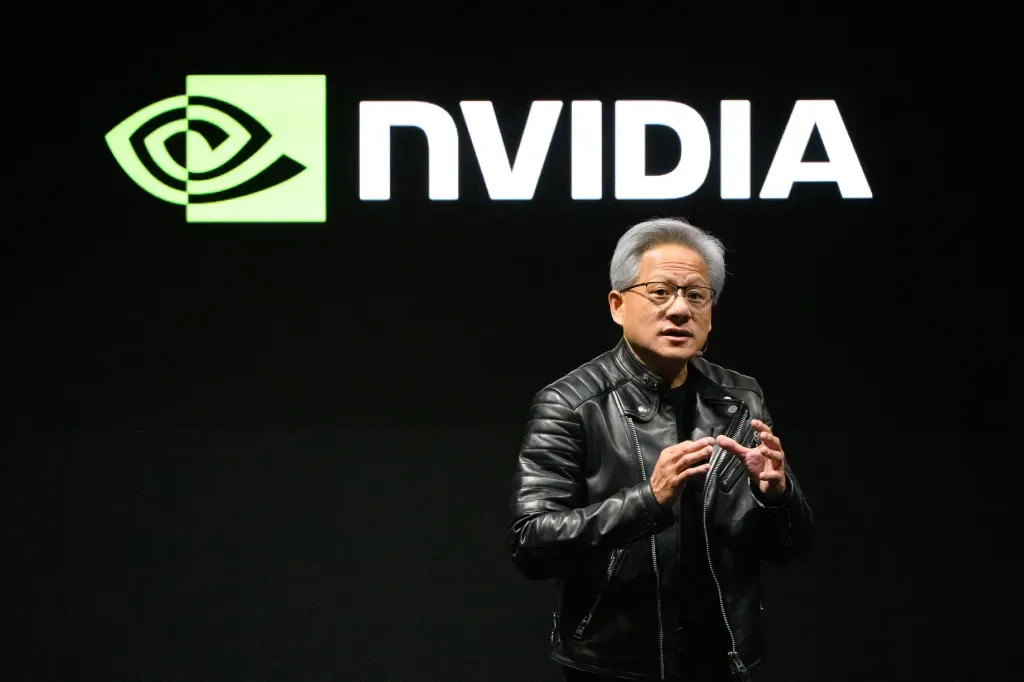
Nvidia Is Planning to Launch an Open-Source AI Agent Platform
Nvidia is reportedly launching an open-source AI agent platform. Explore how this move could reshape the AI development landscape and empower developers.

Nvidia Announces Support for OpenClaw: A New Era for Developers
Nvidia officially announces support for the OpenClaw framework. Learn how this integration boosts GPU acceleration and what it means for the future of AI.
Continue exploring
Find AI agents by workflow
More in Industry Insights
Browse more articles in the Industry Insights category.
AI Agent Categories
Browse use-case pages for sales, productivity, coding, customer service, and more.
AI Agents Landscape
Explore the full directory map and compare agents by workflow and category.
Agent Skills
Find reusable skills, capabilities, and building blocks for AI agent workflows.
Free AI Agents
Discover free AI agents and tools for testing agentic workflows without upfront cost.
Open Source AI Agents
Compare open-source agents, frameworks, and developer-friendly agent projects.