
Nvidia Announces Support for OpenClaw: A New Era for Developers
In a significant shift for the hardware-proprietary landscape, Nvidia has officially announced support for the OpenClaw framework. This integration marks a pivotal moment for developers who have long sought to bridge the gap between high-performance Nvidia hardware and flexible, open-source acceleration standards. By embracing OpenClaw, Nvidia is signaling a move toward broader interoperability, allowing developers to leverage the immense power of their GPU architectures without being strictly tethered to the traditional CUDA-only pipeline.
For the AI and machine learning community, this news is transformative. As the industry grapples with the complexity of diverse hardware ecosystems, the ability to utilize OpenClaw on Nvidia GPUs offers a streamlined path for cross-platform development. This article explores the technical implications of this announcement, the benefits for your workflow, and why this shift is reshaping the future of GPU acceleration.
What is the OpenClaw Framework?
To understand why Nvidia's move is so important, it is essential to define what the OpenClaw framework brings to the table. OpenClaw is an open-source, vendor-agnostic framework designed to simplify hardware acceleration for complex computational tasks. Unlike frameworks that are locked to specific hardware vendors, OpenClaw is built on a modular architecture that abstracts the underlying GPU communication layers.
OpenClaw provides a consistent API for developers, allowing them to write code once and deploy it across various hardware backends. By providing a unified interface, it reduces the learning curve associated with hardware-specific optimization. For developers, this means faster prototyping, reduced technical debt, and the ability to pivot between hardware vendors as project requirements evolve.
Key Benefits of Nvidia Support for OpenClaw
The integration of OpenClaw into the Nvidia ecosystem offers several distinct advantages for data scientists and software engineers. The primary benefit is improved GPU acceleration efficiency across heterogeneous workloads.
Enhanced Portability: Developers can now maintain a single codebase for multiple hardware targets, simplifying version control and deployment.
Performance Optimization: With native driver support, OpenClaw can now tap into the Tensor Cores and specialized hardware features of Nvidia GPUs, ensuring that open-source code runs with near-native performance.
Broader Ecosystem Access: By supporting OpenClaw, Nvidia is inviting a wider community of open-source contributors to optimize AI models for their hardware, effectively closing the gap against competing architectures like AMD ROCm.
Is OpenClaw compatible with all Nvidia GPUs? Generally, current support focuses on architectures from the Pascal generation and newer, with full optimization reserved for RTX and Data Center series cards. How does OpenClaw compare to CUDA? While CUDA remains the gold standard for pure Nvidia performance, OpenClaw offers superior flexibility for teams managing multi-vendor infrastructure.
Getting Started: Implementation Guide
Integrating OpenClaw into your current environment is designed to be straightforward. To begin, follow these high-level steps to ensure your system is ready for the new framework:
Update Your Drivers: Ensure you are running the latest Nvidia driver updates, as these contain the necessary hooks for the OpenClaw runtime.
Install the OpenClaw SDK: Download the latest distribution from the official repository.
Configure the Backend: Set your environment variables to point toward the Nvidia CUDA-backend within the OpenClaw configuration file.
Run Benchmarks: Verify that your environment is correctly identified by running the provided diagnostic scripts included in the SDK documentation.
Do I need to update my Nvidia drivers for OpenClaw? Yes, updating to the most recent production-ready driver is mandatory to ensure compatibility and stability when executing OpenClaw-based workloads.
The Future of GPU Acceleration
Nvidia's decision to support an open-source framework reflects a growing trend in the industry: the push for open-source frameworks in hardware-proprietary ecosystems. For years, the proprietary nature of GPU acceleration was seen as a barrier to innovation. By opening up to OpenClaw, Nvidia is acknowledging that developer sentiment is shifting toward frameworks that offer freedom and flexibility.
The future of AI hardware acceleration is not just about raw power; it is about accessibility and the democratization of development tools.
This move also impacts the competitive landscape. With AMD’s ROCm gaining traction, Nvidia is proactively mitigating the risk of vendor lock-in concerns. By positioning themselves as an open-friendly ecosystem, they are ensuring that their hardware remains the preferred choice for research and enterprise development, regardless of which framework a team chooses to use.
Conclusion
The announcement of Nvidia support for OpenClaw is a welcome development that bridges the divide between proprietary performance and open-source accessibility. Whether you are building complex AI models or optimizing large-scale data pipelines, this integration provides the tools necessary to maintain a flexible and high-performance workflow. By adopting these new standards, developers can focus on innovation rather than infrastructure limitations.
Ready to optimize your AI workflows? Download the latest Nvidia drivers and check our documentation to start integrating OpenClaw today. Embracing this shift now will ensure your projects remain future-proof in an increasingly competitive and diverse technological landscape.
Related Articles
View all articles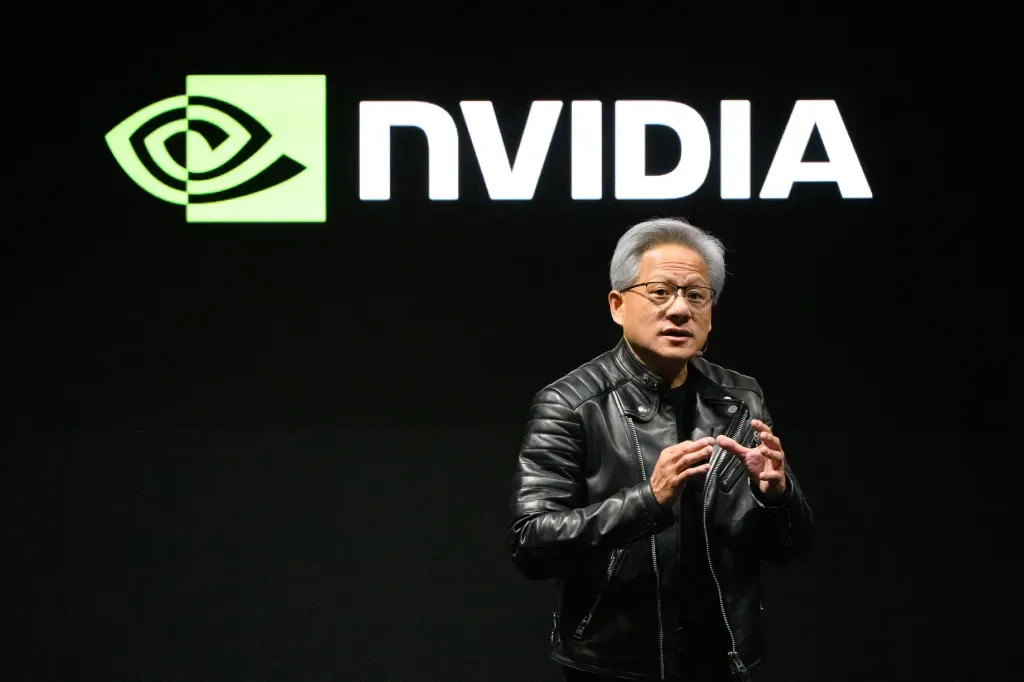
Nvidia Is Planning to Launch an Open-Source AI Agent Platform
Nvidia is reportedly launching an open-source AI agent platform. Explore how this move could reshape the AI development landscape and empower developers.

AI Agents in Higher Education: Uses and Best Tools for 2026
Explore how AI agents are transforming higher education in 2026, including 15 use cases, the best tools for students and faculty, benefits, risks, and implementation guidance.
Top 5 Best AI Agents and Tools for Content Creators in 2026
Discover the top 5 AI agents and tools revolutionizing content creation in 2026, from text and video generation to SEO optimization and brand consistency.
Continue exploring
Find AI agents by workflow
More in Industry Insights
Browse more articles in the Industry Insights category.
Nvidia articles
Explore more guides and insights tagged Nvidia.
OpenClaw articles
Explore more guides and insights tagged OpenClaw.
AI Agent Categories
Browse use-case pages for sales, productivity, coding, customer service, and more.
AI Agents Landscape
Explore the full directory map and compare agents by workflow and category.
Agent Skills
Find reusable skills, capabilities, and building blocks for AI agent workflows.