TinyFish Gives Glean Agents Live-Web Superpowers
The Evolution of AI Agent Connectivity
In the modern enterprise, the effectiveness of an AI system is often limited by the boundaries of its training data or internal knowledge base. While Retrieval-Augmented Generation (RAG) has transformed how organizations interact with their internal documents, many workflows still struggle with the “static knowledge” trap. When an AI agent cannot verify current market trends, live regulatory changes, or up-to-the-minute competitor activity, it remains a reactive tool rather than a proactive partner. This is where the intersection of TinyFish Glean agents comes into play, bridging the gap between internal enterprise search and the vast, shifting landscape of the live web.
This guide explores how connecting these technologies allows organizations to move beyond static RAG, enabling agents to fetch, interpret, and act on real-time data. Whether you are an AI architect or a technical lead, understanding how to augment your existing search infrastructure with live-web connectivity is essential for maintaining a competitive edge. As industry experts have noted, Google AI Agents Are Going Mainstream: What It Means for You, highlighting that the shift toward more autonomous, context-aware systems is no longer a luxury but a standard requirement for digital transformation.
Understanding Glean Agents and Enterprise Search
Glean has established itself as a leader in enterprise search by indexing a company’s internal ecosystem—Slack, Drive, Jira, and more—to provide a unified view of organizational knowledge. Glean agents leverage this indexed data to perform tasks and answer queries with high accuracy regarding internal policies and project history.
However, an agent that only knows what is already inside your company’s firewall is inherently limited. If a sales agent is drafting a pitch, it might know your product specs perfectly but lack context on a prospect’s latest press release or a sudden shift in industry sentiment. This is why enterprise leaders are increasingly looking for ways to integrate external intelligence. By augmenting these systems, organizations ensure their AI isn't just searching for what they already know, but actively learning from the world outside.
The Role of TinyFish in AI Workflows
TinyFish functions as a sophisticated connector, acting as the bridge that provides AI agent live web access to platforms that were previously confined to siloed data. By integrating TinyFish with your existing Glean environment, you unlock the ability for agents to perform dynamic queries against the open web.
How does this work in practice? When a user issues a prompt, the agent evaluates whether the answer requires internal data or external context. If the latter is required, the agent triggers a TinyFish-powered search. This allows for:
Real-time validation: Checking if internal project documents align with current industry standards.
Dynamic research: Pulling the latest news or research papers to supplement internal strategy sessions.
Automated monitoring: Creating agents that track specific web sources and alert teams when relevant changes occur.
This capability is crucial for those looking to orchestrate AI agents now or fall behind by 2027, as the ability to synthesize internal and external data is the primary differentiator for high-performing, autonomous workflows.
Why Live-Web Access Matters for Enterprise AI
The push for real-time data integration stems from the need for proactive AI systems. When an agent has access to the live web, it ceases to be a static repository and becomes an active researcher. This is particularly vital for decision-making processes that depend on external variables like supply chain disruptions, market volatility, or emerging technology trends.
Do AI agents need live web access?
For many specialized enterprise tasks, the answer is a definitive yes. While RAG is excellent for internal compliance and institutional memory, it is insufficient for tasks that require environmental awareness. Without external connectivity, an agent is effectively operating in a vacuum, which can lead to outdated recommendations and missed opportunities. By combining the internal context of Glean with the external reach of TinyFish, companies can create a more balanced, comprehensive AI strategy.
Technical Considerations and Implementation
Implementing this integration requires a focus on both functionality and governance. Organizations must ensure that the agents are not just fetching data, but also verifying it. Because the web contains noise, implementing a robust filtering layer—where the agent cross-references web findings with trusted internal sources—is best practice.
Key steps for successful implementation include:
Define the Agent's Scope: Clearly delineate which queries require live-web access to prevent unnecessary latency.
Establish Guardrails: Use standard frameworks like OWASP guidelines for AI security to ensure that external data does not introduce prompt injection risks or malicious content.
Prioritize Data Privacy: Configure your agents to strip sensitive internal PII (Personally Identifiable Information) before sending search queries to external APIs.
Continuous Testing: Regularly audit agent outputs to ensure that external web data is being cited correctly and used to enhance, rather than confuse, the agent's logic.
Conclusion
The transition from static RAG to dynamic, web-connected AI is the next major leap in enterprise automation. By leveraging TinyFish to give Glean agents live-web superpowers, organizations can transform their internal search tools into intelligence-gathering powerhouses. The ability to blend internal expertise with real-time global context is no longer just a technical advantage; it is a necessity for staying relevant in an increasingly fast-paced digital economy.
Ready to optimize your enterprise AI strategy? Contact our integration specialists today to learn how to connect your current agent frameworks with real-time web intelligence.
Related Articles
View all articles
How Live Data APIs Help AI Agents Do Real Work
Learn how data APIs help AI agents access live information, research markets, track trends, create content, and complete real-world workflows.
AI Agents in Higher Education: Uses and Best Tools for 2026
Explore how AI agents are transforming higher education in 2026, including 15 use cases, the best tools for students and faculty, benefits, risks, and implementation guidance.
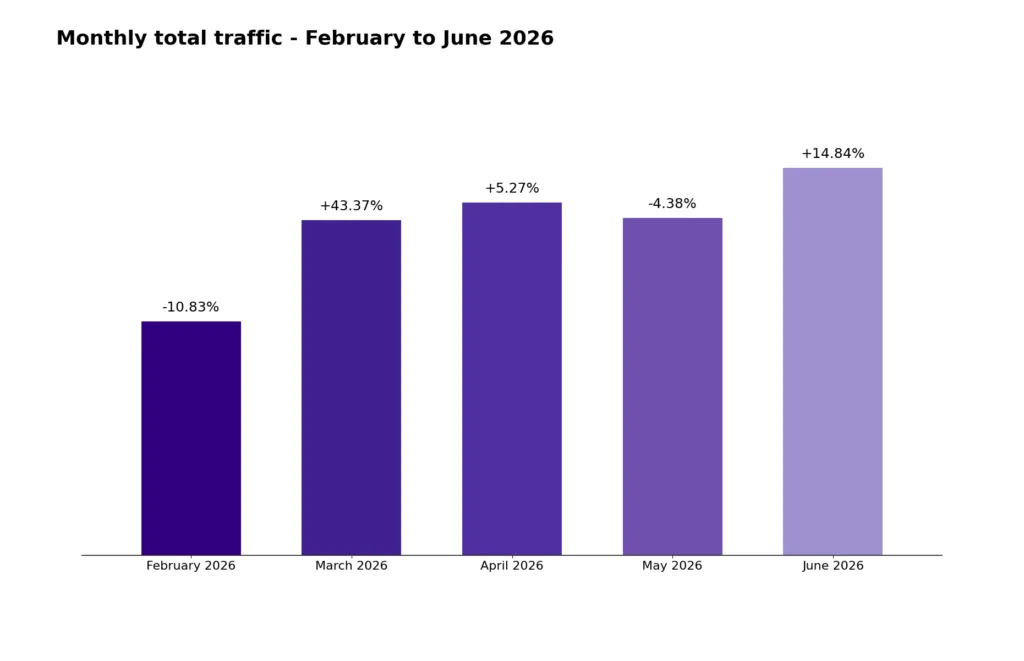
State of Agentic Traffic: Browser Agent Tooling for Developers is Catching On
Explore agentic traffic and browser agent tooling empowering developers to build and manage AI agents in web environments. Understand its impact and future.
Continue exploring
Find AI agents by workflow
More in Industry Insights
Browse more articles in the Industry Insights category.
AI Agents articles
Explore more guides and insights tagged AI Agents.
Enterprise Search articles
Explore more guides and insights tagged Enterprise Search.
AI Agent Categories
Browse use-case pages for sales, productivity, coding, customer service, and more.
AI Agents Landscape
Explore the full directory map and compare agents by workflow and category.
Agent Skills
Find reusable skills, capabilities, and building blocks for AI agent workflows.