
Snap Cuts 1,000 Jobs as AI Reshapes Product and Cost Structure
The Context of Snap's Workforce Restructuring
In a move that has reverberated across the tech sector, Snap Inc. recently announced a significant reduction in its workforce, impacting approximately 1,000 employees. For observers of the tech industry, these Snap Inc layoffs are not an isolated event but rather a symptom of a broader, systemic shift. Companies are moving away from the headcount-heavy growth models that defined the previous decade, prioritizing lean operations and long-term sustainability instead.
The stated objective behind this restructuring is to reduce hierarchy and increase cross-functional collaboration. By trimming middle management and consolidating teams, the organization aims to move faster, a necessity in an environment where the speed of product iteration is dictated by the rapid advancement of generative AI. This is a recurring theme in 2024: the transition from prioritizing sheer employee volume to valuing AI-led scalability.
AI as a Catalyst for Operational Change
Why are tech companies laying off employees even while reporting high levels of innovation? The answer lies in the fundamental transformation of the software development process. AI-driven operational efficiency has moved from a buzzword to a boardroom mandate. When a software engineering team can utilize code-generation tools to handle boilerplate tasks, the total number of hours required for a feature launch drops significantly.
This shift isn't just about reducing costs; it is about flattening hierarchies. In traditional tech organizations, layers of management were often necessary to coordinate communication across silos. Today, AI agents and automated project management systems are increasingly taking over the role of information synthesis. By integrating these tools, companies can maintain high performance with smaller, more autonomous teams. For developers and product managers, this means the future of work is less about manual execution and more about architectural oversight and the strategic implementation of new ways to balance cost and reliability in the Gemini API, ensuring that infrastructure remains stable while scaling rapidly.
Strategic Resource Allocation in the Age of AI
The financial trade-offs between legacy infrastructure and AI-native architecture are becoming increasingly stark. Maintaining a massive workforce to manage legacy software stacks is no longer a competitive advantage when those same systems can be optimized or replaced by leaner, AI-augmented alternatives. Snapchat AI strategy reflects this pivot, focusing heavily on integrating machine learning into the user experience rather than relying solely on manual content curation or traditional engagement metrics.
Organizations are currently re-evaluating their capital expenditure, moving funds away from expansive human operations and toward robust, automated infrastructure. This allows for:
Increased velocity: Deploying features in days rather than weeks.
Automated quality assurance: Reducing the time spent on manual debugging.
Scalable personalization: Using AI to deliver unique experiences to millions of users without proportional increases in headcount.
As these organizations automate, they are discovering that the future of the social media business model is inextricably linked to how effectively they can deploy intelligent agents to handle user interactions, content moderation, and algorithmic discovery.
The Evolution of Product Development
How is AI changing the software development process? It is fundamentally altering the product lifecycle. Previously, the roadmap for a feature was linear: ideation, design, development, testing, and deployment. Now, AI-driven feedback loops allow for near-instantaneous iteration. As discussed in Agent-Led Growth: How AI Agents Are Changing Product Discovery and Growth, the role of product management is evolving from manual coordination to the configuration of autonomous systems that can test and refine product features in real-time.
This shift creates a new framework for discovery and delivery. Instead of large teams manually conducting A/B tests, AI models can simulate user behavior, identify friction points, and suggest structural improvements. This is not just a change in toolset; it is a change in culture. The companies that thrive in this era are those that treat AI not as a peripheral add-on, but as a core component of their product architecture, as outlined in the NIST AI Risk Management Framework, which encourages a disciplined approach to integrating these powerful technologies.
Long-term Implications for Tech Labor Markets
The reasons for tech company layoffs in 2024 are rooted in a desire to build "AI-ready" organizations. For professionals in the tech sector, this necessitates a shift in skill sets. The premium on manual, repetitive coding or administrative management is declining, while the premium on architectural thinking, data strategy, and AI orchestration is rising.
To navigate this landscape, workers should prioritize:
Technical Fluency: Understanding how to interface with AI models and APIs.
Strategic Adaptability: The ability to pivot focus as automation changes the scope of job roles.
Systemic Thinking: Seeing the business not as a collection of silos, but as an integrated system of automated workflows.
The era of hyper-growth based on headcount is fading, replaced by a focus on sustainable, AI-augmented performance. While the transition is undoubtedly difficult for those affected by workforce restructuring, it is also providing a blueprint for a more efficient, technology-first approach to business. By focusing on AI integration, companies like Snap are positioning themselves to navigate the complexities of the modern digital economy with greater agility and reduced overhead.
Stay informed on the intersection of AI and business strategy by subscribing to our weekly newsletter on enterprise technology trends.
Related Articles
View all articles
Meta Reportedly Considering Layoffs That Could Affect 20% of the Company
Reports suggest Meta is considering layoffs affecting up to 20% of its workforce. Get the details on the restructuring and what it means for the company's future.
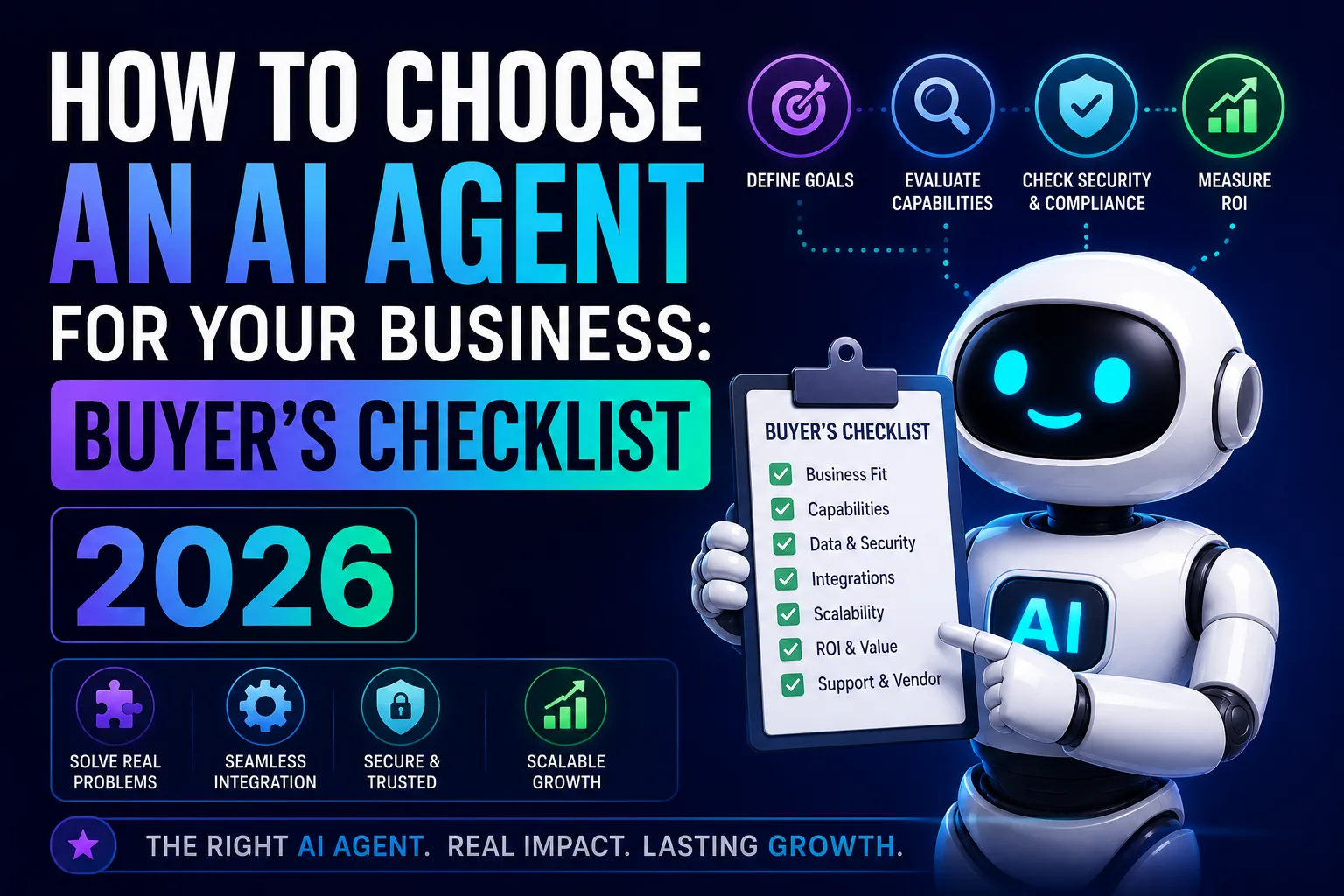
How to Choose an AI Agent for Your Business: Buyer’s Checklist 2026
Navigate AI agent selection for your business with our comprehensive checklist. Discover key criteria, essential features, and how to find the right fit.
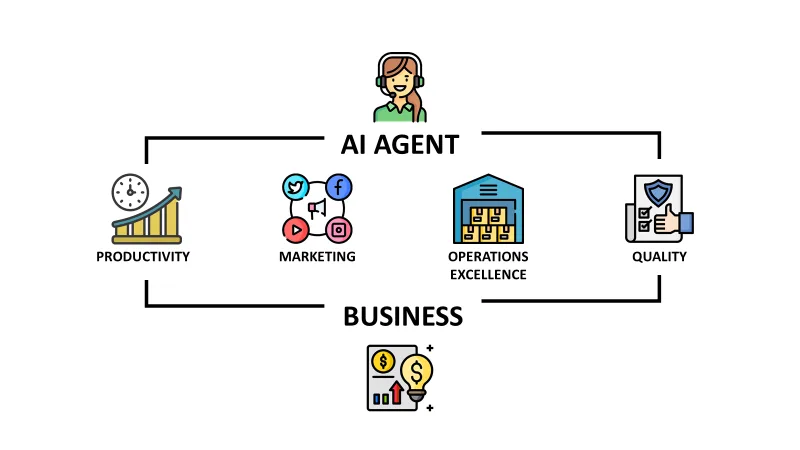
How to Make AI Agents Work for Your Business: A Strategic Guide
Learn how to effectively integrate AI agents into your business operations. Discover strategies for deployment, workflow automation, and scaling your AI capacity.
Continue exploring
Find AI agents by workflow
More in Industry Insights
Browse more articles in the Industry Insights category.
Tech News articles
Explore more guides and insights tagged Tech News.
Artificial Intelligence articles
Explore more guides and insights tagged Artificial Intelligence.
AI Agent Categories
Browse use-case pages for sales, productivity, coding, customer service, and more.
AI Agents Landscape
Explore the full directory map and compare agents by workflow and category.
Agent Skills
Find reusable skills, capabilities, and building blocks for AI agent workflows.