
Mark Cuban: OpenAI's Trillion Dollar Investment – A Path to Nowhere?
Mark Cuban's Bold Claim: OpenAI's Unrecoverable Investment
Venture capitalist and entrepreneur Mark Cuban has thrown a gauntlet into the burgeoning world of artificial intelligence, famously suggesting that OpenAI will likely never recoup the colossal sums being invested in it, potentially reaching a trillion dollars. This bold assertion, if true, has profound implications for the future of AI development, investment strategies, and the very definition of profitability in the tech sector. This post delves into Cuban's perspective, examines the economic realities of AI development, and explores whether AI companies can justify their sky-high valuations.
Understanding OpenAI's Massive Investment
The sheer scale of capital flowing into advanced AI research and development is unprecedented. While specific, verifiable figures for OpenAI's total investment are difficult to pin down due to its private status and ongoing funding rounds, estimates and reports suggest investments in the tens, if not hundreds, of billions of dollars. This funding is crucial for several reasons:
Computational Power: Training cutting-edge AI models requires immense computing resources, involving thousands of specialized processors (GPUs) running for extended periods. The cost of this infrastructure alone is astronomical.
Talent Acquisition: Attracting and retaining top AI researchers, engineers, and data scientists involves highly competitive salaries and benefits packages.
Ongoing Research & Development: The field of AI is rapidly evolving. Continuous investment is needed for experimentation, developing new algorithms, and refining existing models.
The objective of these vast investments is to create general-purpose AI that can revolutionize industries, drive innovation, and ultimately generate substantial returns. However, the path to monetization for such foundational technologies remains a complex challenge.
The Economics of AI Development: Challenges and Realities
Mark Cuban's skepticism is rooted in the inherent economics of developing and deploying advanced AI. The question of will OpenAI ever be profitable, or any similar foundational AI research lab, hinges on several factors:
The Steep Cost of Innovation
Developing AI models like those powering ChatGPT or advanced image generators is not a one-time expense. It's an ongoing, capital-intensive endeavor. The compute power required for training and inference (running the models to generate responses) is a significant recurring cost. Furthermore, the pace of AI advancement means that models can become obsolete relatively quickly, necessitating continuous R&D and re-investment.
Monetization Hurdles
While AI can be a powerful tool, translating that power into direct, scalable revenue streams that justify trillion-dollar valuations is challenging. How does OpenAI make money? Currently, revenue streams include API access for developers, premium subscriptions for advanced features, and enterprise solutions. However, these may not be sufficient to offset the immense development costs in the long term.
Cuban's argument often centers on the idea that the capital expenditure required for AI development is so high that even successful monetization might not yield the kind of return investors expect on such massive outlays. This raises the question: are AI companies overvalued?
What are the biggest challenges in AI development?
Beyond the financial aspects, AI development faces technical and ethical challenges. Ensuring AI safety, mitigating bias, and achieving true artificial general intelligence (AGI) are complex problems that require significant research and resources. These challenges can slow down progress and increase the cost of development.
Cuban's Rationale: Why Recouping Such Investment is Unlikely
Mark Cuban's concerns about Mark Cuban's concerns about AI investment often revolve around the disconnect between the perceived value and the actual, tangible return on investment. He highlights that while AI can drive efficiency and create new capabilities, these benefits don't always translate directly into profits that can cover the astronomical upfront and ongoing costs.
Consider the primary keyword: Mark Cuban OpenAI investment. His prediction suggests that the market may be overestimating the speed and scale at which OpenAI, and similar companies, can translate their technological advancements into sustainable revenue. The question of how much is OpenAI investing is less about the exact dollar amount and more about whether any amount can be realistically recouped given the current economic models for AI.
“I just don’t see how they ever get to a trillion dollars in returns. It’s not going to happen.” - Mark Cuban (paraphrased sentiment)
Cuban often points to the difficulty of creating a unique, defensible moat in the AI space. As foundational models become more accessible, or as competitors emerge with similar capabilities, the pricing power of any single company could diminish. This raises questions about AI company valuations – are they based on realistic revenue projections or speculative future potential?
AI Company Valuations: A Bubble or Sustainable Growth?
The current landscape of AI investment is marked by soaring valuations. Investors are pouring billions into AI startups, driven by the promise of transformative technology. This has led to a debate about whether we are witnessing a sustainable growth phase or an AI investment bubble.
Can AI companies deliver on trillion dollar valuations? Cuban's skepticism suggests a cautious outlook. He implies that many AI companies are valued based on their potential rather than their current profitability or even near-term revenue streams. This is a common characteristic of early-stage technology sectors, but the sheer magnitude of AI funding raises the stakes.
The trend of escalating costs for AI innovation, coupled with the challenge of finding direct monetization strategies, creates a precarious financial tightrope. Companies must not only develop groundbreaking technology but also find robust business models to support their operations and satisfy investor expectations. The current trend of massive AI funding rounds, while indicative of strong investor confidence, also amplifies the risk if profitability doesn't materialize.
The Role of AI in Industries: Beyond Direct Profit
While Cuban's focus is on direct financial returns, the value of AI might also be realized indirectly. AI's impact can be seen in:
Increased Efficiency: Automating tasks, optimizing processes, and improving decision-making across various sectors.
New Product Development: Enabling the creation of entirely new products and services that were previously impossible.
Market Disruption: Changing how industries operate and creating new competitive landscapes.
For instance, companies that integrate AI into their operations might see significant cost savings or revenue growth, even if they aren't the AI developers themselves. This is akin to how infrastructure providers benefit from the growth of the internet, even if they don't directly profit from every website's content. In the context of trading, tools like those found on platforms offering Robinhood AI trading demonstrate how AI can directly impact financial markets and investment strategies, creating value for users.
Alternative Paths to AI Monetization
If direct revenue from AI models is challenging, what other avenues exist? Companies are exploring several strategies:
Platform Plays: Building ecosystems where AI is a core component, and revenue is generated from a suite of services or products built on top of it.
Licensing and Partnerships: Licensing AI technology to other businesses or forming strategic partnerships for co-development and distribution.
Data Monetization (with caution): Leveraging the vast amounts of data generated by AI interactions, though this must be done ethically and with strict privacy controls.
Specialized AI Solutions: Focusing on niche applications where AI provides a clear, quantifiable ROI for specific industries, such as healthcare or logistics. The acquisition of companies like TBPN by major players hints at the strategic importance of specialized AI capabilities and their potential for future market shifts, as seen in discussions around OpenAI Acquires TBPN: Strategic Implications and Industry Shifts.
The Future of AI Investment: What Should Investors Watch For?
Mark Cuban's prediction serves as a crucial reminder for investors to look beyond the hype. When evaluating AI companies, consider the following:
Clear Monetization Strategy: Does the company have a well-defined and viable plan to generate revenue that can offset its costs?
Sustainable Competitive Advantage: What makes this AI company unique and defensible against competitors? Is it proprietary data, unique algorithms, or a strong ecosystem?
Realistic Valuation Metrics: Are valuations based on achievable revenue targets and profitability, or purely on future potential?
Operational Efficiency: How effectively is the company managing its significant operational costs, particularly compute and talent?
The development of AI is undoubtedly a monumental undertaking with the potential to reshape our world. However, as Mark Cuban points out, the financial realities of such ambitious projects cannot be ignored. Investors and industry observers alike must critically assess the long-term viability of AI business models and ensure that the immense capital being invested has a clear, achievable path to profitability.
Related Articles
View all articles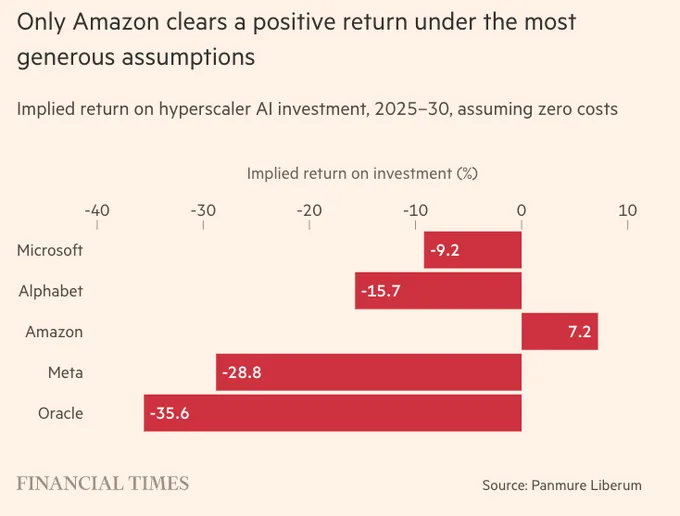
The AI Numbers Are Starting to Look Very Ugly
Discover why major tech companies are seeing negative AI ROI, even under best-case scenarios. Explore the financial reality behind AI hype.
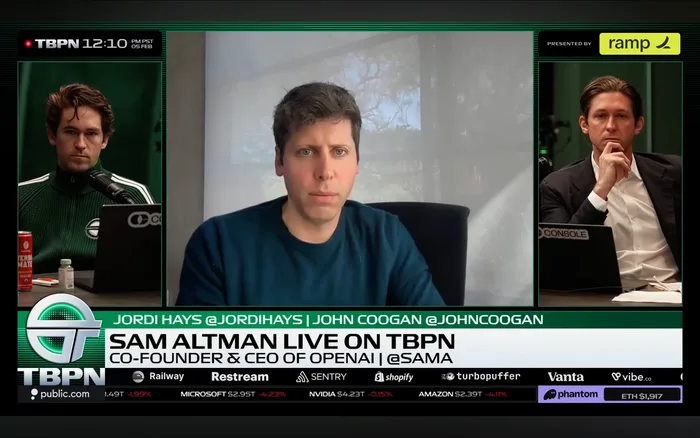
OpenAI Acquires TBPN: Strategic Implications and Industry Shifts
Explore the strategic implications of OpenAI acquiring TBPN and what this move signals for the future of autonomous AI infrastructure and industry consolidation.
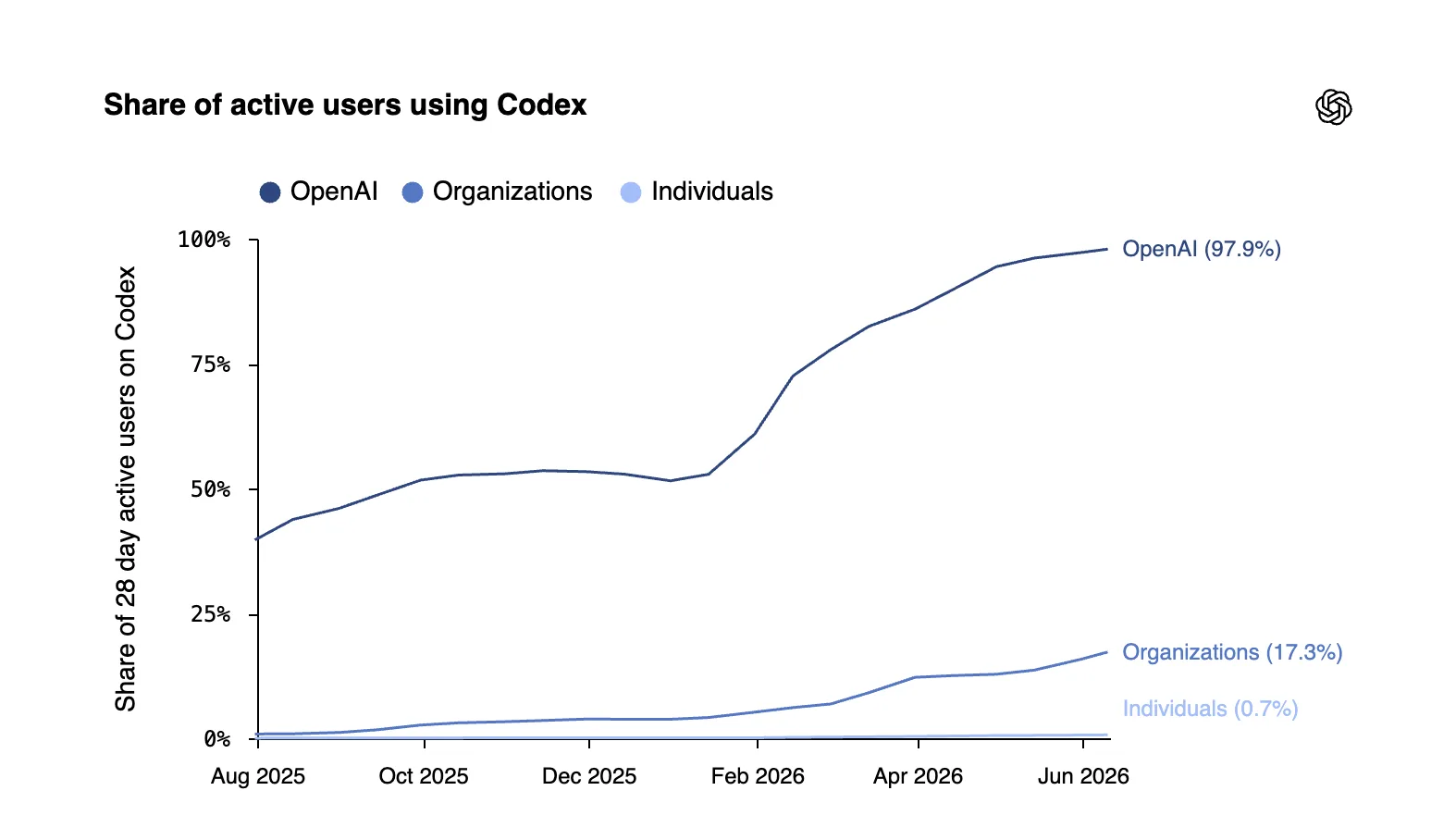
OpenAI Says Codex Is Becoming Its Internal Operating System
Explore how OpenAI is evolving Codex into an internal operating system to streamline development and what this shift means for the future of AI infrastructure.
Continue exploring
Find AI agents by workflow
More in Industry Insights
Browse more articles in the Industry Insights category.
Mark Cuban articles
Explore more guides and insights tagged Mark Cuban.
OpenAI articles
Explore more guides and insights tagged OpenAI.
AI Agent Categories
Browse use-case pages for sales, productivity, coding, customer service, and more.
AI Agents Landscape
Explore the full directory map and compare agents by workflow and category.
Agent Skills
Find reusable skills, capabilities, and building blocks for AI agent workflows.