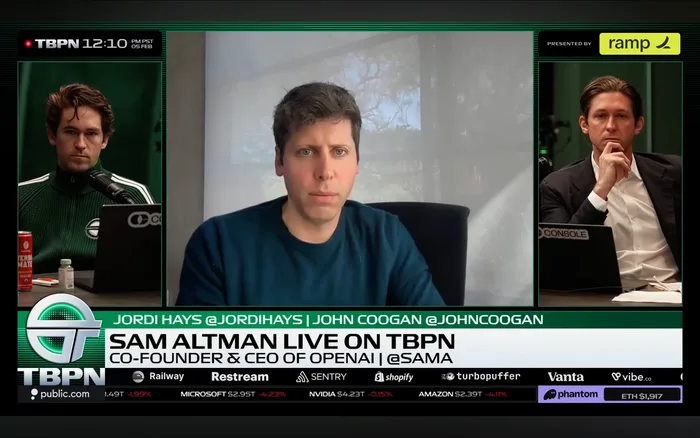
OpenAI Acquires TBPN: Strategic Implications and Industry Shifts
Introduction to the Acquisition
In a move that underscores the intensifying race for computational dominance and model optimization, OpenAI acquires TBPN. This strategic consolidation marks a significant pivot in how leading AI labs are securing the foundational elements required to build next-generation systems. For stakeholders, developers, and industry observers, this event is more than a simple corporate transaction; it represents a deliberate step toward vertical integration. By bringing TBPN into its fold, OpenAI is signaling a shift away from reliance on third-party frameworks, opting instead to control the underlying architecture that powers its expansive suite of tools.
This article provides an objective analysis of the acquisition, exploring what TBPN brings to the table, why OpenAI is pursuing this aggressive expansion, and how these moves mirror broader trends in the technology sector. Whether you are a researcher monitoring the evolution of large-scale foundation models or a business leader tracking the competitive landscape, understanding these shifts is essential for navigating the future of the AI market.
Understanding TBPN: Core Capabilities and Market Position
To understand why this deal matters, one must first define what TBPN brings to the ecosystem. TBPN has established itself as a niche leader in high-performance infrastructure, specializing in the optimization of data pipelines and the architectural efficiency of autonomous systems. Unlike general-purpose software firms, TBPN focused on the granular, hardware-adjacent layer of computing—the "plumbing" that allows complex models to run with lower latency and higher reliability.
What is TBPN? At its core, TBPN provided a set of proprietary tools designed to bridge the gap between heavy computational loads and available hardware resources. Their contribution to the AI stack involves:
Scalability Frameworks: Modular codebases that allow models to scale across heterogeneous hardware clusters.
Latency Optimization: Algorithms designed to minimize the time-to-first-token in real-time generative tasks.
Resource Orchestration: Automated systems that allocate GPU/TPU resources based on the specific needs of a model's inference cycle.
By securing these capabilities, OpenAI is effectively absorbing a layer of technical expertise that would otherwise take years to build internally. This allows them to focus their engineering talent on model architecture while utilizing TBPN's refined infrastructure as a force multiplier.
Strategic Rationale: Why OpenAI Is Expanding
The decision to pursue an acquisition of this scale is rarely driven by a single factor. Instead, it is a multi-faceted approach to maintaining a competitive edge. The primary motivations behind the deal include talent acquisition, proprietary technology, and the urgent need for infrastructure scaling.
The Role of Talent Acquisition
In the current AI arms race, talent is the most constrained resource. By acquiring TBPN, OpenAI secures a dedicated team of engineers who have already worked in sync to solve complex problems in distributed computing. Integrating a high-functioning team is often faster and more efficient than attempting to recruit and train individual specialists who may not have a history of working together on similar problems.
Infrastructure as a Competitive Moat
As models continue to grow in size and complexity, the bottleneck is increasingly moving from the model itself to the infrastructure that supports it. By owning the stack, OpenAI reduces its dependency on external vendors, potentially lowering long-term operating costs and increasing the speed at which they can deploy updates. This is a classic example of shifting from research and development (R&D) toward infrastructure-focused acquisitions to solidify a market position.
The Broader Landscape of AI M&A
This acquisition does not occur in a vacuum. It is part of a larger, systemic consolidation within the technology industry. When we look at how firms like Quizlet acquiring AnswerAI reflect current market trends, we see a clear pattern: established platforms are aggressively acquiring specialized AI startups to enhance their utility and defend their user base against emerging disruptors. This trend is driven by the realization that in the AI era, the barrier to entry is not just having the best model, but having the best integrated ecosystem.
Furthermore, regulatory bodies are beginning to scrutinize these large-scale mergers more closely. As AI becomes the bedrock of global digital infrastructure, the concentration of power in a few laboratories raises questions about market fairness and the potential for monopolistic behavior. Readers should stay attuned to how official policy regarding AI mergers evolves, as future deals may face stricter antitrust hurdles.
Future Outlook for Autonomous Systems
How does this acquisition affect OpenAI users? The most immediate impact will likely be seen in the performance and reliability of the platform's tools. By integrating TBPN's orchestration layer, OpenAI can refine the deployment of its models, potentially resulting in more stable performance for high-demand agents. This advancement is a critical component in the ongoing development of autonomous systems, similar to the advancements seen in OpenAI launching GPT-5.4, which emphasized the need for robust, self-correcting infrastructure to handle complex, multi-step agentic workflows.
As these technologies mature, the integration of specialized infrastructure will become the standard. Users can expect:
Improved Response Times: Faster model inference due to optimized hardware orchestration.
Higher Reliability: Fewer outages during peak usage periods as systems become more resilient.
Expanded Capabilities: The ability for models to manage more complex, long-running tasks that require persistent computational support.
Conclusion
The acquisition of TBPN by OpenAI represents a calculated move to secure the infrastructure required for the next generation of autonomous AI. By bringing specialized talent and proprietary optimization technology in-house, OpenAI is positioning itself to handle the massive computational demands of its future frontier models. While the immediate effects may be subtle, the long-term strategic benefit of owning the stack is clear. To stay informed on the latest developments in AI infrastructure, subscribe to our newsletter for deep dives on industry shifts and technical updates. We recommend monitoring official OpenAI documentation and corporate announcements for the most accurate technical roadmap updates as they integrate these new assets.
Related Articles
View all articles
Google Completes $32B Acquisition of Wiz: A New Era for Cloud Security
Google has officially completed its $32 billion acquisition of cybersecurity startup Wiz. Explore what this massive deal means for the future of cloud security.
Meta Just Acquired Moltbook: What You Need to Know
Meta has officially acquired Moltbook. Discover the details of the deal, what it means for the platform's future, and how it fits into Meta's broader strategy.

SpaceX Acquires Cursor: A $60 Billion AI Software Revolution
Explore the groundbreaking $60 billion acquisition of AI coding startup Cursor by SpaceX. Understand the implications for the future of software development.
Continue exploring
Find AI agents by workflow
More in Industry Insights
Browse more articles in the Industry Insights category.
OpenAI articles
Explore more guides and insights tagged OpenAI.
AI Strategy articles
Explore more guides and insights tagged AI Strategy.
AI Agent Categories
Browse use-case pages for sales, productivity, coding, customer service, and more.
AI Agents Landscape
Explore the full directory map and compare agents by workflow and category.
Agent Skills
Find reusable skills, capabilities, and building blocks for AI agent workflows.