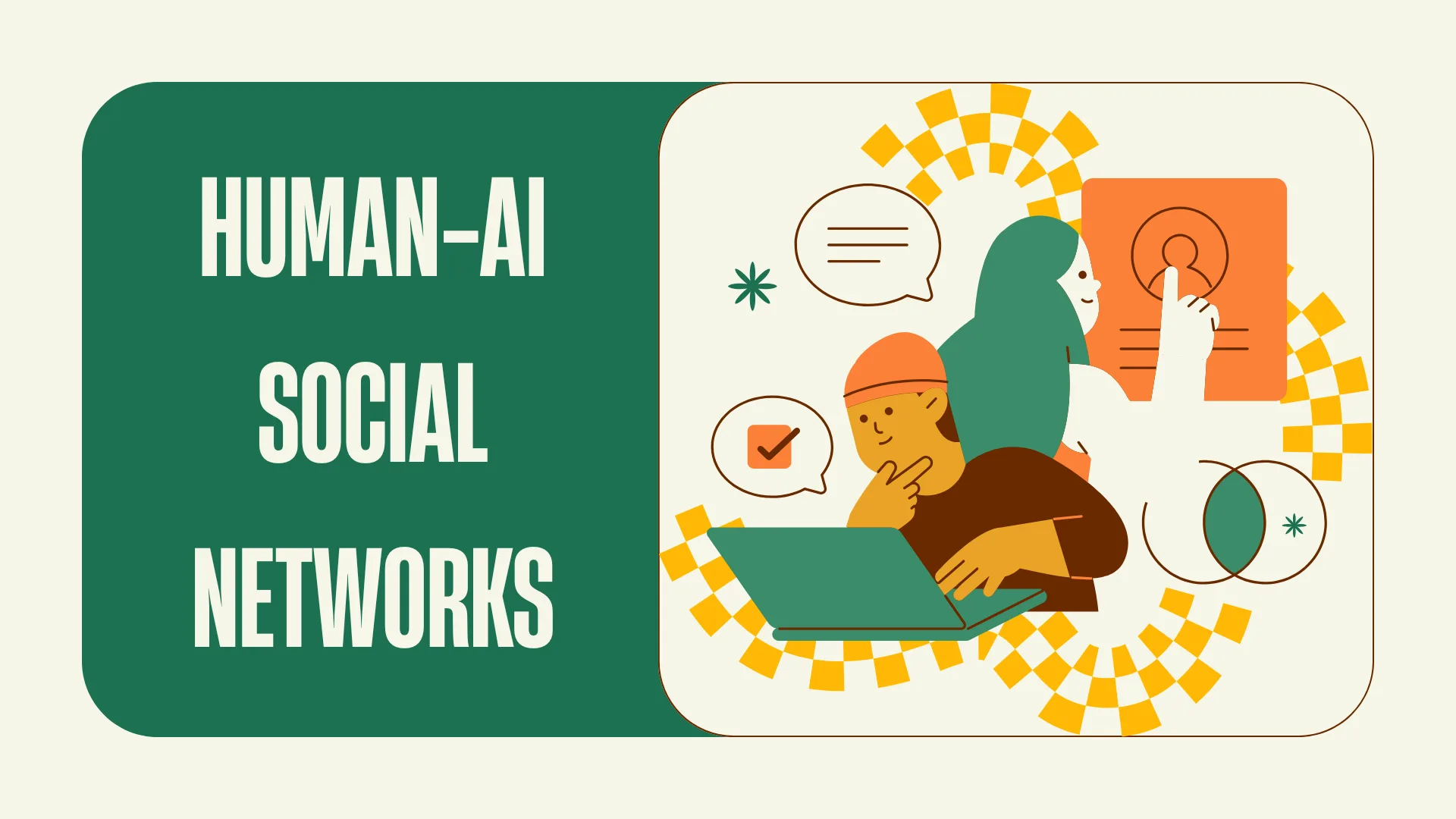
Human-AI Social Networks: Amplifying Group Intelligence
What is a Human-AI Social Network?
The landscape of online interaction is evolving. Beyond traditional social platforms focused on individual connections and content sharing, a new paradigm is emerging: the human-AI social network. These are not simply social networks where AI algorithms recommend content, nor are they purely autonomous AI systems. Instead, they represent a deliberate fusion, designed to foster and amplify group intelligence by integrating human cognitive abilities with the analytical power and efficiency of artificial intelligence.
Imagine a collaborative environment where AI acts not just as a tool, but as an active participant, augmenting human capabilities in real-time. This is the essence of a human-AI social network. It's a digital ecosystem where individuals and AI agents interact, share information, and co-create solutions, ultimately aiming to achieve outcomes that surpass what either humans or AI could accomplish alone. This concept is central to building more intelligent systems using both humans and AI.
The Pillars of Group Intelligence
Before diving into how human-AI networks enhance group intelligence, it's crucial to understand the foundational elements of effective collective intelligence. Group intelligence isn't just about the sum of individual smarts; it's about how well a group can work together to solve problems, make decisions, and innovate. Key pillars include:
Effective Communication: Open, clear, and timely exchange of information and ideas is paramount. This includes active listening and constructive feedback.
Diverse Perspectives: A variety of viewpoints, experiences, and knowledge bases enriches problem-solving and reduces groupthink.
Shared Understanding: Members need to comprehend the goals, context, and each other's contributions to work cohesively.
Cognitive Diversity: Differences in how individuals process information and approach problems can lead to more robust solutions.
Psychological Safety: An environment where individuals feel safe to express ideas, take risks, and admit mistakes without fear of negative consequences.
Human-AI social networks aim to strengthen these pillars by leveraging AI's unique capabilities.
How AI Enhances Group Intelligence
AI's role in a human-AI social network is multifaceted, moving beyond simple automation to active augmentation. It can significantly boost group intelligence by:
Data Analysis and Pattern Recognition
Groups often face information overload. AI can rapidly process vast datasets, identify trends, and surface critical insights that humans might miss. This allows teams to make decisions based on more comprehensive data, enhancing how AI enhances group decision making.
Facilitating Communication and Collaboration
AI can act as an intelligent moderator, summarizing discussions, identifying consensus or disagreement, and even suggesting relevant information or experts. Tools that integrate AI into workflows, like Claude for Excel, PowerPoint, and Word, demonstrate how AI can streamline collaborative tasks and improve communication efficiency.
Knowledge Management and Retrieval
AI can organize, tag, and retrieve relevant information from a collective knowledge base, ensuring that team members have access to the information they need, when they need it. This is crucial for building intelligent communities with AI.
Predictive Analytics and Scenario Planning
By analyzing historical data and current trends, AI can help groups forecast potential outcomes and explore different scenarios, enabling more proactive and informed decision-making.
Bias Detection and Mitigation
While AI itself can be biased, advanced systems can be trained to identify potential human biases in discussions or decision-making processes, promoting fairer and more objective outcomes.
Personalized Assistance and Skill Augmentation
AI can offer personalized support to individuals within a group, suggesting resources, identifying skill gaps, or even providing real-time feedback on communication. This touches upon the idea of AI as a co-pilot for human decision-making.
Key Features of Human-AI Social Networks
These networks are characterized by a suite of functionalities that blend social interaction with intelligent assistance. They are not just platforms for connection but for collective problem-solving and knowledge creation.
Intelligent Grouping and Matching: AI algorithms can suggest connections between individuals based on shared interests, expertise, or project needs, fostering organic collaboration.
AI-Powered Knowledge Curation: Systems automatically organize, tag, and make searchable the collective knowledge generated within the network.
Collaborative AI Agents: Dedicated AI agents that can participate in discussions, perform research tasks, or help draft documents alongside human users.
Real-time Insight Generation: AI provides instant analysis of ongoing discussions and shared documents, highlighting key themes, potential conflicts, or emerging opportunities.
Adaptive Interfaces: The user interface can adapt based on the user's role, current task, and AI-driven recommendations, optimizing the user experience for collective intelligence.
Ethical Guardrails and Transparency: Mechanisms to ensure fairness, privacy, and explainability in AI's contributions to group processes.
Benefits of Human-AI Collaboration
The integration of humans and AI in a social network context unlocks significant advantages for individuals, teams, and organizations. The benefits of human-AI collaboration are far-reaching:
Enhanced Problem-Solving: By combining human creativity and intuition with AI's analytical power, groups can tackle complex challenges more effectively.
Increased Efficiency and Productivity: AI can automate repetitive tasks, streamline workflows, and provide quick access to information, freeing up human cognitive resources for higher-level thinking.
Accelerated Innovation: The synergy between human ideas and AI-driven insights can lead to novel solutions and breakthroughs, fostering an environment of continuous innovation.
Improved Decision-Making: Data-driven insights, bias detection, and scenario planning facilitated by AI lead to more informed and robust decisions.
Democratized Expertise: AI can make specialized knowledge more accessible, empowering individuals with less domain-specific expertise to contribute meaningfully to complex discussions.
Continuous Learning and Development: AI can identify learning opportunities for individuals and groups, providing personalized resources and feedback to enhance collective capabilities.
Use Cases and Applications
The potential applications for human-AI social networks span numerous domains, transforming how we collaborate and innovate:
Research and Development
Scientists and researchers can use these networks to share findings, identify research gaps, and collaborate on complex projects, accelerating discovery. AI can help sift through vast amounts of scientific literature and experimental data.
Business Strategy and Innovation
Companies can leverage these platforms for brainstorming new product ideas, analyzing market trends, and developing strategic plans. AI can identify emerging consumer needs or competitive threats.
Education and Learning Communities
Students and educators can form intelligent learning communities where AI tutors provide personalized support, and peer-to-peer learning is enhanced by intelligent content curation and discussion facilitation.
Policy Making and Public Engagement
Governments and non-profits can use these networks to gather public input, analyze diverse opinions, and develop more inclusive and effective policies. AI can help summarize complex feedback and identify areas of consensus.
Creative Industries
Artists, writers, and designers can collaborate with AI to explore new creative avenues, generate ideas, and refine their work, augmenting human creativity and problem-solving with AI.
"AI is increasingly becoming a powerful collaborator, augmenting human capabilities across various fields. The future of work will likely involve seamless integration of AI into our daily workflows, enhancing our collective intelligence and problem-solving abilities."
Challenges and Ethical Considerations
While the promise of human-AI social networks is immense, several challenges and ethical considerations must be addressed:
Data Privacy and Security
These networks handle sensitive information. Robust measures are needed to protect user data and ensure privacy. How can we build more intelligent systems using both humans and AI while safeguarding individual data?
Algorithmic Bias
AI systems can inherit biases from the data they are trained on, potentially leading to unfair outcomes or perpetuating societal inequalities. It's crucial to address the ethical implications of AI in group decision-making.
Over-reliance on AI
There's a risk that individuals might become overly dependent on AI, diminishing their critical thinking skills and independent judgment. What are the differences between AI and human intelligence, and how do we maintain a healthy balance?
Transparency and Explainability
Understanding how AI arrives at its suggestions or conclusions is vital for trust and accountability. The 'black box' nature of some AI models can be a barrier.
The Role of Social Networks in Collective Intelligence
As these platforms evolve, it's important to consider how they shape collective intelligence. Will they foster deeper understanding and collaboration, or lead to new forms of digital echo chambers? The role of social networks in collective intelligence is evolving rapidly with AI integration.
Job Displacement and Human Interaction
Concerns exist about AI's impact on employment and the potential for reduced human-to-human interaction. Thoughtful design and implementation are needed to ensure AI complements, rather than replaces, human connection and value.
The Future of Collective Intelligence
Human-AI social networks represent a significant step towards a future where collective intelligence is amplified by technology. The convergence of social computing and AI is paving the way for online communities that are not just connected, but actively intelligent. As AI continues to advance, we can expect these networks to become even more sophisticated, offering deeper insights, more seamless collaboration, and unprecedented problem-solving capabilities.
The evolution of online communities towards intelligent ecosystems is inevitable. These platforms have the potential to redefine how we learn, work, and innovate, making our collective endeavors more impactful and efficient. As we move forward, continuous research into AI's capabilities and ethical frameworks will be crucial to harness the full potential of these emerging human-AI social networks.
Explore how human-AI social networks can transform your group's potential. Share your thoughts on the future of collective intelligence in the comments below!
Related Articles
View all articles
Why Agents Still Need Humans: The Irreplaceable Role of Human Oversight
Explore the critical reasons why human agents remain essential in the age of AI. Understand AI agent limitations and the benefits of human-AI collaboration for optimal outcomes.
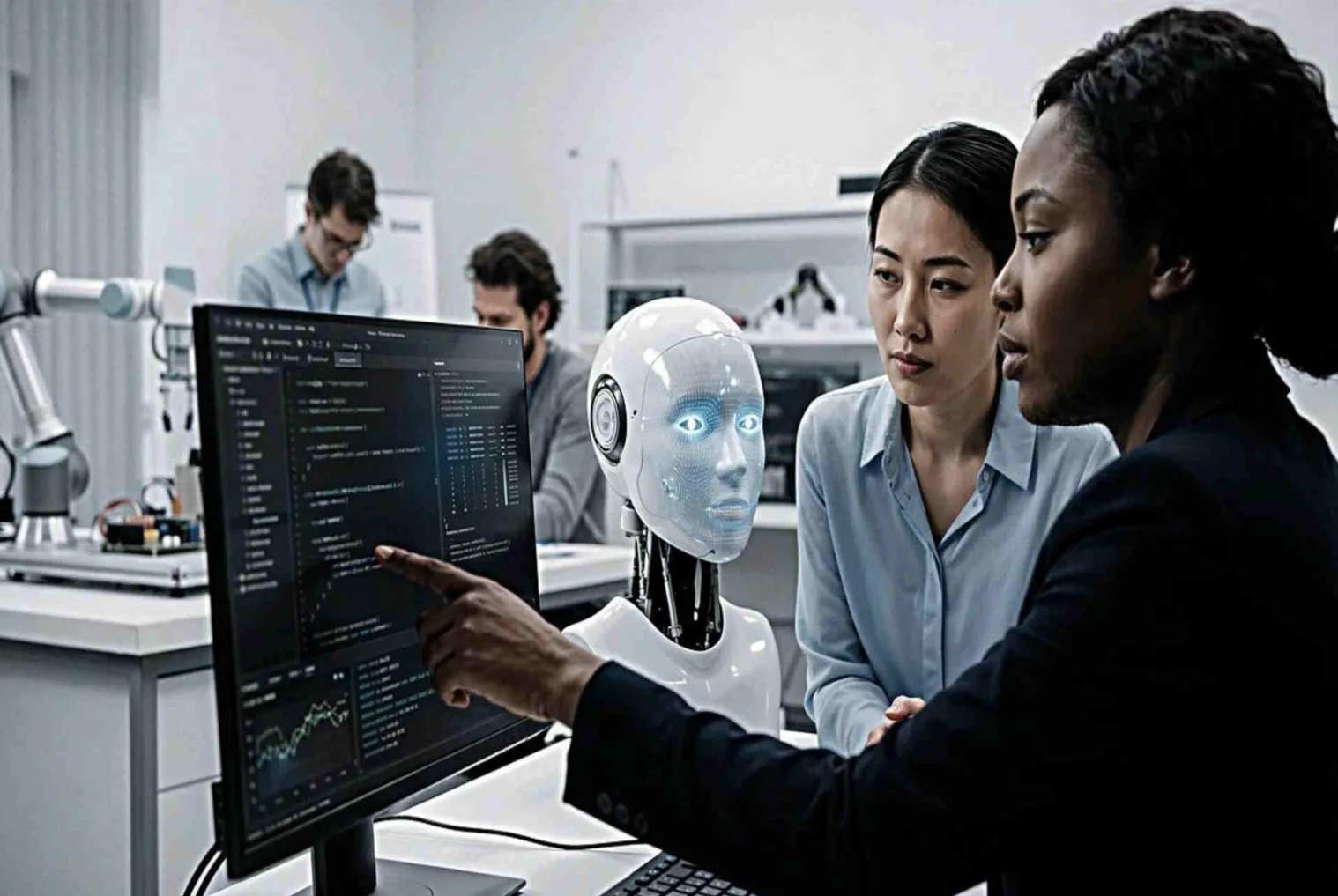
Context vs Speed: Why AI Speed Can’t Replace Human Meaning
Learn why the human vs AI context remains tech’s biggest debate. AI processes data in milliseconds, but only humans truly understand cultural context and meaning
Zero-Human Companies Are Here
Are zero-human companies the future? Explore how AI-driven autonomous business models are reshaping entrepreneurship, operations, and the future of work.
Continue exploring
Find AI agents by workflow
More in Industry Insights
Browse more articles in the Industry Insights category.
AI articles
Explore more guides and insights tagged AI.
Social Networks articles
Explore more guides and insights tagged Social Networks.
AI Agent Categories
Browse use-case pages for sales, productivity, coding, customer service, and more.
AI Agents Landscape
Explore the full directory map and compare agents by workflow and category.
Agent Skills
Find reusable skills, capabilities, and building blocks for AI agent workflows.