
How to Turn Content Into Revenue With Custom AI Agents
The Evolution of Content Monetization
For over a decade, the creator economy relied on a passive model: write content, drive traffic, and hope for clicks on ads or affiliate links. However, the paradigm is shifting. We are entering 'Creator Economy 2.0,' where passive funnels are being replaced by autonomous, intelligent systems. To turn content into revenue with AI agents, creators must move beyond simply displaying banners and start engaging in active, personalized sales conversations at scale.
Traditional affiliate marketing and ad-based revenue models are struggling as users become banner-blind and privacy regulations tighten. By integrating custom AI agents, small publishers can now outperform big media houses by offering hyper-personalized experiences that feel like human-to-human interaction, effectively turning every blog post into a 24/7 sales representative.
What Are Custom AI Agents and Why Do They Matter?
At their core, AI agents are software programs that don’t just process information; they take action to achieve a specific goal. Unlike a standard chatbot that simply retrieves information from a FAQ, an AI agent can reason, use tools, and make decisions based on user input.
For a business, this means the difference between a static page and an interactive funnel. An AI agent can read your existing content, understand the user's current intent, and guide them toward a specific business outcome—whether that is booking a discovery call, purchasing a digital product, or signing up for a high-ticket course.
Strategy 1: The AI Concierge for Lead Qualification
One of the most effective ways to monetize content is by identifying high-intent visitors before they leave your site. An AI concierge agent acts as a gatekeeper, engaging readers who have finished a deep-dive article.
Instead of a generic contact form, your agent can ask: "I see you're reading about [Topic]. Based on your challenges, would you like to see a personalized roadmap for success?" By qualifying leads in real-time, the agent ensures that only high-quality prospects reach your sales team, or it can automate the entire booking process through a calendar integration.
Strategy 2: Personalized Product Recommendations at Scale
One of the biggest hurdles to scaling digital product sales is the 'one-size-fits-all' approach. When you have dozens of products, recommending the right one to the right reader is difficult.
Custom AI agents solve this by analyzing the specific content the user is consuming. If a reader is on a post about 'advanced email marketing,' the agent can instantly surface a relevant course or template bundle that addresses that specific pain point. This hyper-personalization significantly increases conversion rates compared to static sidebar ads.
Strategy 3: Automated Content-to-Course Conversion
Many creators have years of valuable content sitting in archives. AI agents can act as a bridge, transforming this long-form content into structured, paid educational pathways. By using an agent to synthesize your blog posts, videos, and newsletters, you can create a curated learning experience that users are willing to pay for.
The agent can even play the role of a tutor, helping students navigate your paid content, answering questions based on your specific methodology, and providing feedback on assignments, effectively automating the delivery of your expertise.
Building Your First Revenue-Generating Agent: A Step-by-Step Guide
You don't need a massive engineering team to get started. Follow this high-level roadmap to deploy your first agent:
Define the Objective: Are you trying to capture leads, sell a specific product, or increase time-on-site?
Choose Your Tech Stack: Use platforms like Zapier Central, OpenAI Assistants API, or LangChain to connect your agent to your existing database.
Knowledge Base Integration: Feed the agent your existing content (PDFs, URLs, or text files) so it speaks with your brand voice and expertise.
Define the 'Tool' Actions: Connect the agent to your CRM, calendar, or payment processor so it can perform actions like 'Book Meeting' or 'Send Discount Code'.
Testing and Deployment: Start with a low-traffic page to monitor how the agent interacts with real users before scaling.
Measuring ROI and Optimizing Agent Performance
To ensure your agent is actually driving revenue, you must track more than just 'traffic.' Focus on these key metrics:
Conversion Rate: What percentage of users who interact with the agent end up purchasing or booking?
Agent Retention: Does the conversation lead to a meaningful outcome, or does the user drop off?
Lead Quality: Are the leads generated by the agent more likely to close than those from traditional web forms?
By continuously refining the agent’s instructions (prompt engineering) based on these metrics, you can create a feedback loop that constantly improves your monetization engine. Ready to build your first revenue-generating agent? Download our free AI Automation Starter Kit and start turning your content into a 24/7 sales engine today.
Conclusion
The transition from passive content monetization to active AI-driven revenue streams is not just a trend; it is the new standard for the creator economy. By leveraging custom AI agents, you can stop shouting into the void and start having meaningful, profitable conversations with every single reader. The tools are accessible, the strategy is clear—now is the time to turn your content into a 24/7 sales engine.
Related Articles
View all articles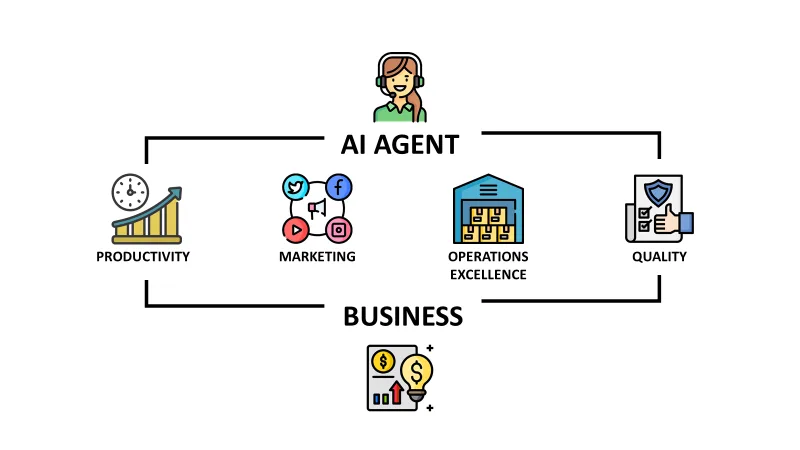
How to Make AI Agents Work for Your Business: A Strategic Guide
Learn how to effectively integrate AI agents into your business operations. Discover strategies for deployment, workflow automation, and scaling your AI capacity.

How AI Agents Make Money: Revenue Models and Business Strategies
Discover how AI agents make money. We explore monetization models from per-outcome pricing to AaaS to help you build a profitable autonomous software business.
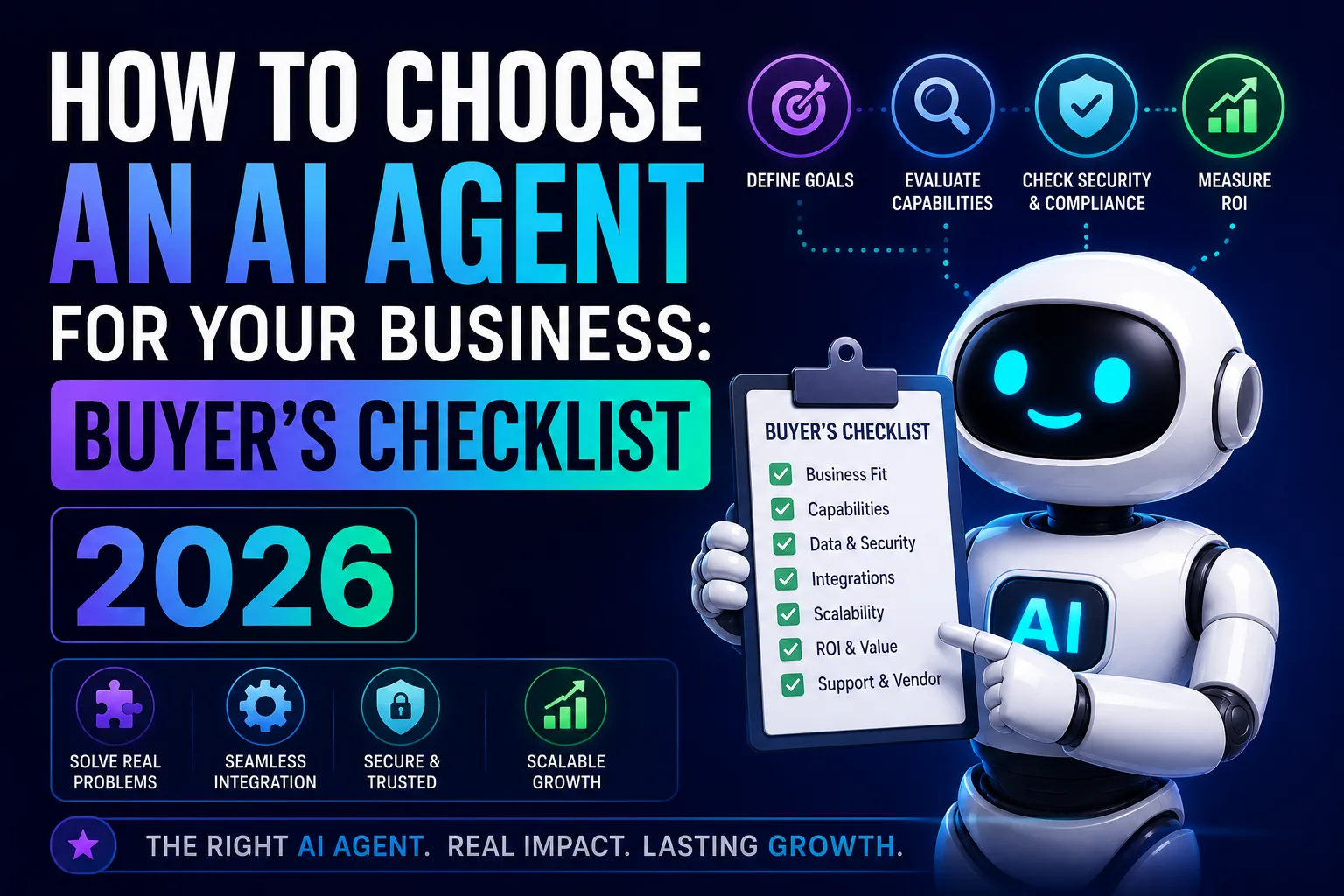
How to Choose an AI Agent for Your Business: Buyer’s Checklist 2026
Navigate AI agent selection for your business with our comprehensive checklist. Discover key criteria, essential features, and how to find the right fit.
Continue exploring
Find AI agents by workflow
More in Industry Insights
Browse more articles in the Industry Insights category.
AI articles
Explore more guides and insights tagged AI.
Content Monetization articles
Explore more guides and insights tagged Content Monetization.
AI Agent Categories
Browse use-case pages for sales, productivity, coding, customer service, and more.
AI Agents Landscape
Explore the full directory map and compare agents by workflow and category.
Agent Skills
Find reusable skills, capabilities, and building blocks for AI agent workflows.