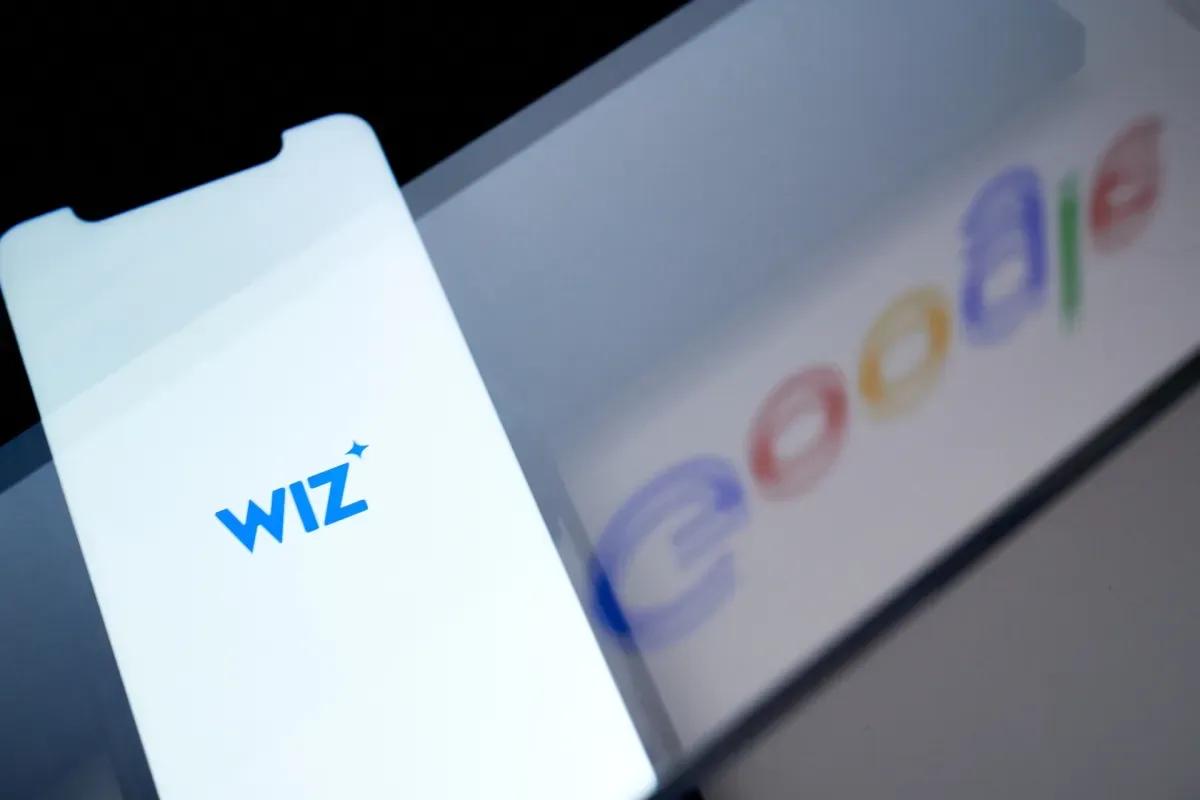
Google Completes $32B Acquisition of Wiz: A New Era for Cloud Security
Google Completes Historic $32B Acquisition of Wiz
The enterprise technology landscape has just experienced a seismic shift. The Google Wiz acquisition is now official, marking a defining moment in the history of cloud computing and digital defense. Alphabet has successfully closed its purchase of the cloud security juggernaut Wiz for a staggering $32 billion, cementing its commitment to enterprise protection. This record-breaking megadeal sends shockwaves through the tech industry, fundamentally altering the competitive dynamics of the cloud security market and setting a new benchmark for venture capital funding.
For years, enterprise organizations have struggled to secure their increasingly complex, multi-cloud environments. As cyber threats become more sophisticated, fueled by advancements in artificial intelligence, the demand for unified, automated security platforms has skyrocketed. By bringing Wiz into its fold, Google is not just acquiring a product; it is acquiring a massive competitive advantage. Let's dive deep into the specifics of this historic deal, analyze the strategic motivations behind it, and explore exactly what does Google buying Wiz mean for cloud security at large.
The Details Behind the $32 Billion Megadeal
To understand the magnitude of this event, we must look at the financial and historical context of the transaction. Industry analysts and investors have eagerly awaited the final details, frequently asking: How much did Google pay for Wiz? The final purchase price landed exactly at the rumored $32 billion, paid largely in cash with a mix of stock components. This figure is not just impressive; it is unprecedented.
What is Google's largest acquisition ever?
Prior to this announcement, Google's largest acquisition was its $12.5 billion purchase of Motorola Mobility in 2012, followed by its $5.4 billion acquisition of cybersecurity firm Mandiant in 2022. The Google 32 billion acquisition of Wiz completely shatters those previous records. It stands as the largest purchase in Alphabet's history and ranks among the biggest cybersecurity acquisitions in history, rivaling Broadcom's acquisition of Symantec and Cisco's purchase of Splunk.
This deal also highlights a broader trend: record-breaking startup exits and what they mean for VC funding. Wiz, founded in 2020, reached a $10 billion valuation in just three years, making it the fastest-growing software startup in history. For venture capital firms like Sequoia Capital, Index Ventures, and Andreessen Horowitz, the Wiz 32 billion exit is a monumental liquidity event. It proves that despite broader economic headwinds and a cooling IPO market, massive enterprise software exits are still possible, which will likely reignite aggressive VC investment into early-stage AI and cybersecurity startups.
Why Did Google Buy Wiz?
When a tech giant spends $32 billion on a four-year-old startup, the strategic reasoning must be airtight. So, why did Google acquire Wiz? The answer lies in the fierce battle for cloud dominance. Google Cloud has long held the position of the third-largest cloud infrastructure provider, trailing behind Amazon Web Services (AWS) and Microsoft Azure. To close this gap, Google Cloud CEO Thomas Kurian has aggressively prioritized enterprise security as a key differentiator.
What does the cybersecurity company Wiz do?
To comprehend the value of this Alphabet cybersecurity acquisition, one must understand the technology. Wiz specializes in Cloud Native Application Protection Platforms (CNAPP). Instead of relying on traditional, agent-based security software that is difficult to deploy and maintain, Wiz connects directly to cloud environments via APIs. Within minutes, it scans an organization's entire cloud infrastructure—across AWS, Azure, Google Cloud, and Kubernetes—identifying toxic combinations of vulnerabilities, misconfigurations, and exposed secrets.
When Google buys Wiz, it achieves several critical strategic objectives:
Instant Market Leadership: Wiz boasts a client roster that includes over 40% of the Fortune 100. Google instantly acquires these premium enterprise relationships.
Multi-Cloud Visibility: Ironically, buying Wiz gives Google unprecedented visibility into the security postures of organizations running on its biggest rivals, AWS and Azure.
Synergy with Mandiant: By combining Wiz's proactive cloud vulnerability management with Mandiant's world-class reactive threat intelligence and incident response, Google Cloud Wiz creates an end-to-end security powerhouse.
Ultimately, why did Google buy Wiz? Because in the modern enterprise, security is no longer an afterthought; it is the fundamental prerequisite for cloud adoption. By owning the best-in-class security platform, Google makes its own cloud ecosystem infinitely more attractive to highly regulated industries like finance, healthcare, and government.
Impact on the Cloud Security Market
The ripple effects of this acquisition will be felt across the entire technology sector. We are witnessing the rapid consolidation of the cloud security market. For years, the cybersecurity industry has been highly fragmented, with enterprises forced to stitch together dozens of disparate point solutions. Now, customers are demanding unified platforms.
This Alphabet cybersecurity acquisition puts massive pressure on standalone cybersecurity vendors. Companies like Palo Alto Networks, CrowdStrike, and Zscaler will now face a formidable competitor that has the infinite compute resources and deep pockets of Google behind it. We can expect this deal to trigger a wave of reactive mergers and acquisitions as other tech giants
Related Articles
View all articles
Accenture Edge and Google Cloud Bring Scalable Agentic AI Solutions to Mid-Market Companies
Discover how Accenture Edge and Google Cloud are democratizing scalable agentic AI solutions, empowering mid-market companies to innovate and thrive.
Google AI Agents Are Going Mainstream: What It Means for You
Discover how Google is bringing AI agents into everyday use, their impact on daily tasks, and the future of intelligent automation.

Stolen Gemini API Key Racks Up $82,000 in 48 Hours: A Wake-Up Call for AI Security
A stolen Gemini API key led to an $82,000 charge in just 48 hours. Learn how this breach occurred and crucial steps to secure your AI API keys.
Continue exploring
Find AI agents by workflow
More in Industry Insights
Browse more articles in the Industry Insights category.
Google Wiz acquisition articles
Explore more guides and insights tagged Google Wiz acquisition.
Google buys Wiz articles
Explore more guides and insights tagged Google buys Wiz.
AI Agent Categories
Browse use-case pages for sales, productivity, coding, customer service, and more.
AI Agents Landscape
Explore the full directory map and compare agents by workflow and category.
Agent Skills
Find reusable skills, capabilities, and building blocks for AI agent workflows.