Why Do People Think AI Is Bad?
Artificial intelligence is everywhere today—helping us shop online, find directions, or even study for exams. But despite these benefits, many people still feel uneasy about AI. Some worry it’s dangerous, others think it might replace jobs, and some simply don’t trust it. Why is that?
The Hollywood Effect
For years, movies and TV shows have painted AI as something scary—robots taking over the world or machines becoming smarter than humans. These stories are entertaining, but they often give people the wrong idea about what AI actually does. In reality, AI is mostly about making tasks faster and easier, not about world domination.
Fear of Job Loss
One of the biggest concerns is that AI will “steal” jobs. It’s true that AI can automate repetitive tasks, but history shows that new technology often creates new types of work. Instead of replacing people, AI usually changes the kind of work we do—shifting jobs toward creativity, decision-making, and human interaction.
The Data Dilemma
Another reason people mistrust AI is because of data. AI systems often need personal information to work well—like your shopping history or location. This raises questions about privacy and security. When people don’t know how their data is being used, it’s natural to feel uncomfortable.
Misunderstanding How It Works
For many, AI feels mysterious. If you don’t fully understand how it makes decisions—like why Netflix suggests a certain movie—it’s easy to assume something “fishy” is happening. Lack of transparency can lead to mistrust.
The Real Picture
The truth is, AI isn’t good or bad on its own—it’s a tool. How we design, regulate, and use it is what makes the difference. With clear rules, responsible development, and better understanding, AI can be something that helps people, not harms them.
Final Thoughts
People often think AI is bad because of fear, misunderstanding, or the way it’s portrayed in media. But when used responsibly, AI has the power to improve education, health, work, and everyday life. Instead of fearing AI, the challenge is to guide it in a way that benefits everyone.
Related Articles
View all articles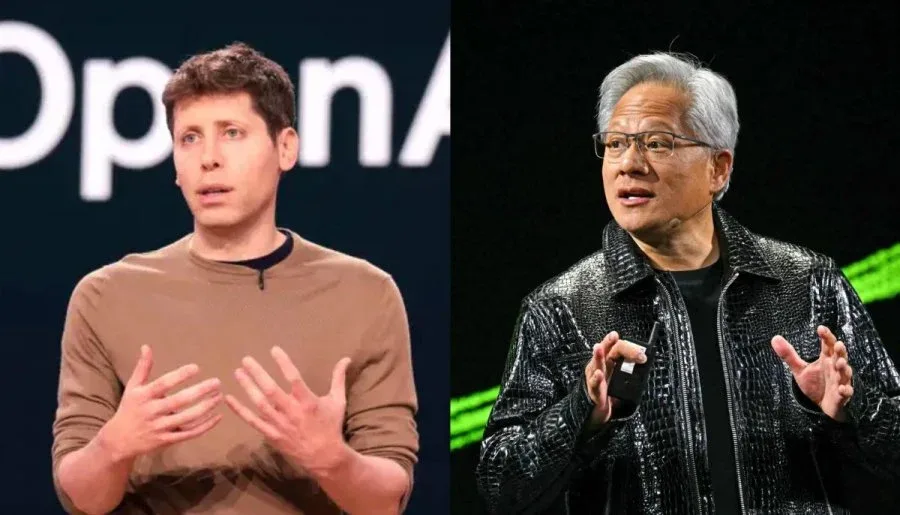
Jensen Huang and Sam Altman: Revisiting AI's Impact on Jobs
Explore the nuanced perspectives of Jensen Huang and Sam Altman on AI's impact on employment, moving beyond initial job loss warnings to discuss adaptation and creation.
Snap Cuts 1,000 Jobs as AI Reshapes Product and Cost Structure
Explore how Snap Inc.'s workforce restructuring reflects broader industry trends in balancing AI-driven innovation with sustainable cost structures.
AI and Jobs: The Future of Work in an AI-Driven Economy
Discover how AI is reshaping the job landscape. From cost reduction to innovation, learn what companies can do to embrace AI as a transformative opportunity while navigating workforce changes.
Continue exploring
Find AI agents by workflow
More in Industry Insights
Browse more articles in the Industry Insights category.
AI Agent Categories
Browse use-case pages for sales, productivity, coding, customer service, and more.
AI Agents Landscape
Explore the full directory map and compare agents by workflow and category.
Agent Skills
Find reusable skills, capabilities, and building blocks for AI agent workflows.
Free AI Agents
Discover free AI agents and tools for testing agentic workflows without upfront cost.
Open Source AI Agents
Compare open-source agents, frameworks, and developer-friendly agent projects.