What Is an AI Agent? A 2024 Guide to Understanding the Future.
The AI Agents market landscape in artificial intelligence has dramatically evolved in 2024, with AI agents emerging as game-changers in how we work, live, and interact with technology. From autonomous coding assistants to sophisticated digital workers, AI agents are reshaping our understanding of what machines can accomplish.
What is an AI Agent in 2024?
Unlike traditional AI systems, modern AI agents are autonomous entities that can understand context, execute complex tasks, and even collaborate with other agents to achieve goals. If you're new to this technology, a free online course on artificial intelligence or machine learning can help you understand the core concepts behind autonomous agents and their real-world applications. Think of them as digital employees who can work 24/7, learning and adapting to new challenges while maintaining consistent performance.
Key Characteristics of Modern AI Agents
Autonomous Decision-Making: Can evaluate situations and take appropriate actions without human intervention
Multi-Modal Processing: Ability to understand and work with text, images, audio, and code simultaneously
Chain-of-Thought Reasoning: Uses step-by-step logical thinking to solve complex problems
Memory and Context Awareness: Maintains context across conversations and tasks
Self-Improvement: Learns from experience and feedback to enhance performance
The Evolution of AI Agents
First Generation (Pre-2022)
Rule-based responses
Limited decision-making
Strict programming constraints
Current Generation (2024)
Natural language understanding
Complex problem-solving capabilities
Multi-agent collaboration
Adaptive learning
Ethical decision-making frameworks
Types of AI Agents in Today's Market
1. Task-Specific Agents
Coding Agents: Assist in software development, debug code, and suggest optimizations
Research Agents: Gather, analyze, and synthesize information from multiple sources
Creative Agents: Generate and edit content, design graphics, and assist in creative processes
2. Enterprise Agents
Workflow Automation: Streamline business processes, workflows and operations
Data Analysis Agents: Process large datasets and provide actionable insights
Customer Service Agents: Handle inquiries and support tickets 24/7
3. Personal Assistant Agents
Schedule Management: Coordinate meetings and manage calendars
Email Management: Sort, prioritize, and draft responses
Life Organization: Track tasks, set reminders, and maintain personal workflows
Real-World Applications and Case Studies
E-Commerce Revolution
Amazon's use of AI agents for inventory prediction (reducing storage costs by 30%)
Shopify's implementation of autonomous shopping assistants (increasing conversion rates by 25%)
Healthcare Transformation
Mayo Clinic's diagnostic assistance agents (improving accuracy by 40%)
Remote patient monitoring systems with predictive capabilities
Financial Services Innovation
JP Morgan's trading agents (processing millions of transactions per second)
Fraud detection systems with real-time response capabilities
Implementation Strategy for Businesses
1. Assessment Phase
Identify automation opportunities
Evaluate current technological infrastructure
Define success metrics
2. Pilot Program
Start with small-scale implementations
Monitor performance and gather feedback
Adjust parameters based on results
3. Full Integration
Scale successful pilots
Train staff on agent collaboration
Establish governance frameworks
Benefits and ROI
Quantifiable Benefits
Average cost reduction: 30-50% in automated processes
Productivity increase: 40-60% in targeted areas
Error reduction: Up to 90% in routine tasks
Qualitative Benefits
Enhanced employee satisfaction
Improved customer experience
Better work-life balance for teams
Increased innovation capacity
Future Trends and Predictions
Emerging Developments
Multi-Agent Systems: Collaborative networks of specialized agents
Emotional Intelligence: Advanced understanding of human emotions and needs
Hybrid Workforces: Seamless integration of human and AI agent teams
Industry Predictions for 2025
60% of enterprises will deploy AI agents in core business processes
$50B market size for AI agent platforms by 2030
40% reduction in routine task workload across industries
Conclusion
AI agents represent more than just technological advancement; they're ushering in a new era of human-machine collaboration. As we move through 2024 and beyond, organizations that effectively integrate AI agents will gain significant competitive advantages in efficiency, innovation, and market responsiveness.
Ready to transform your business with AI agents? Start your journey by exploring our comprehensive directory of verified AI agent solutions at AIAgentsDirectory.com.
Related Articles
View all articles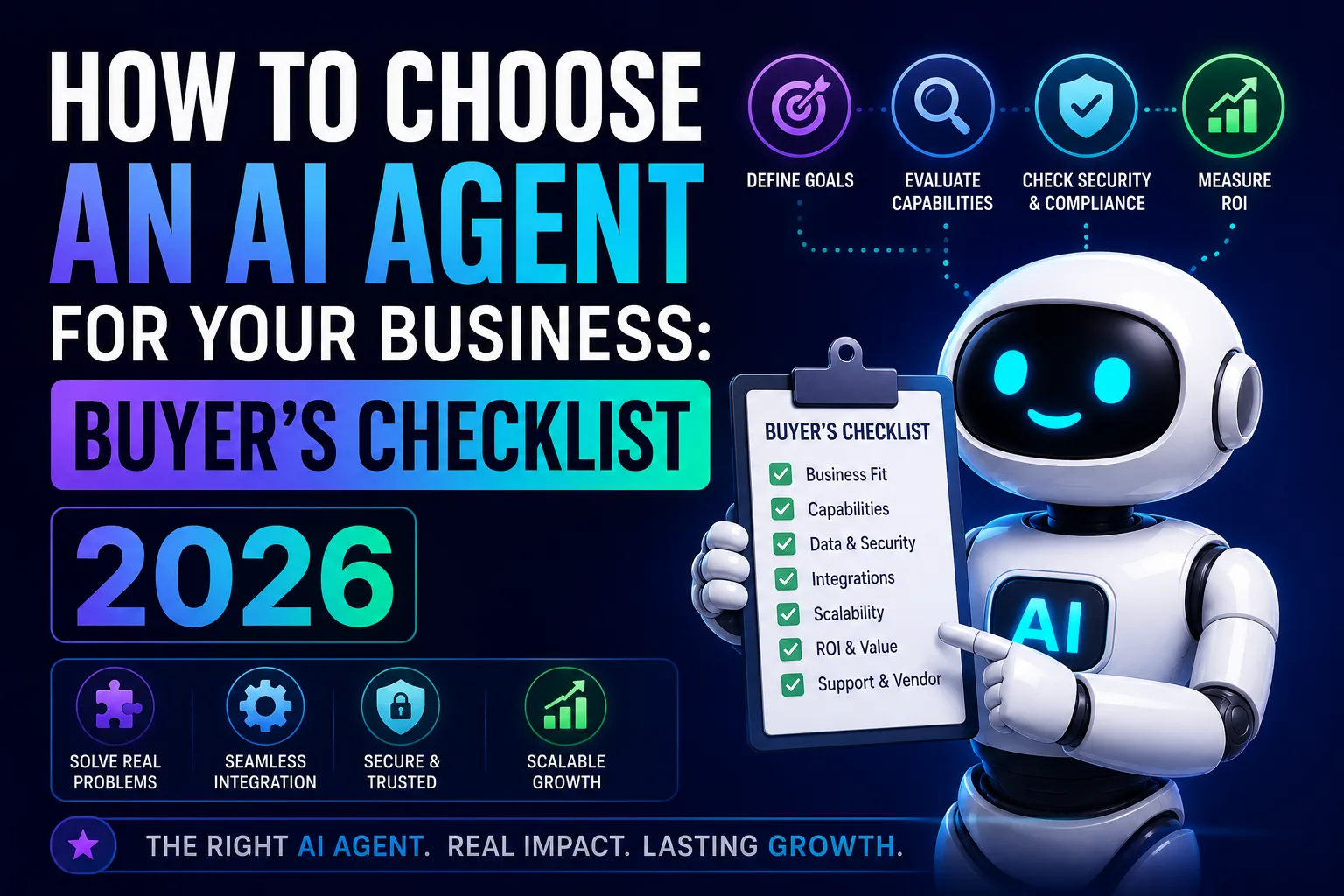
How to Choose an AI Agent for Your Business: Buyer’s Checklist 2026
Navigate AI agent selection for your business with our comprehensive checklist. Discover key criteria, essential features, and how to find the right fit.

The Impact of AI Agents on Customer Support, Sales, and Business Automation
Explore how AI agents are changing customer support, sales, and business automation through faster service, lead qualification, and workflow execution.
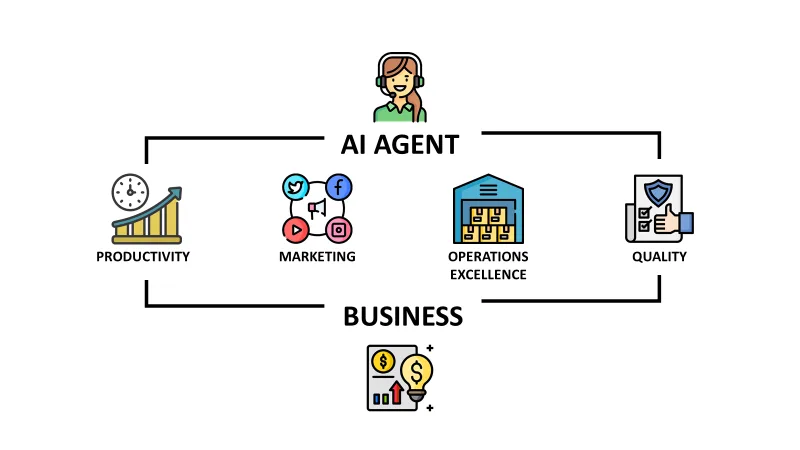
How to Make AI Agents Work for Your Business: A Strategic Guide
Learn how to effectively integrate AI agents into your business operations. Discover strategies for deployment, workflow automation, and scaling your AI capacity.
Continue exploring
Find AI agents by workflow
More in Industry Insights
Browse more articles in the Industry Insights category.
AI Agent Categories
Browse use-case pages for sales, productivity, coding, customer service, and more.
AI Agents Landscape
Explore the full directory map and compare agents by workflow and category.
Agent Skills
Find reusable skills, capabilities, and building blocks for AI agent workflows.
Free AI Agents
Discover free AI agents and tools for testing agentic workflows without upfront cost.
Open Source AI Agents
Compare open-source agents, frameworks, and developer-friendly agent projects.