Understanding Gemma 4: A Guide to Google's Open-Weight AI
Introduction to the Gemma Series
The landscape of artificial intelligence is shifting rapidly, moving away from a total reliance on massive, black-box proprietary models toward a more versatile ecosystem of open-weight alternatives. At the heart of this transition is the Gemma family, a series of lightweight, state-of-the-art models built from the same research and technology used to create Google's largest Gemini models. For developers, researchers, and enterprise architects, the Gemma series represents a bridge between high-performance inference and the flexibility of local execution.
This guide explores the architectural principles behind these models, how to integrate them into your production environments, and why the shift toward open-weight AI is fundamentally changing the way we build software. Whether you are curious about Gemma 4 or simply looking to understand the mechanics of Google’s open research, this overview provides the technical foundation you need to make informed deployment decisions.
Core Architectural Principles
Gemma models are designed with a focus on efficiency and scalability. Unlike massive models that require server-grade clusters to function, the Gemma architecture is optimized to perform effectively on a wide range of hardware, from high-end consumer GPUs to cloud-based TPUs. By leveraging the same underlying technology as Google DeepMind's flagship models, these open-weight versions retain high reasoning capabilities while maintaining a smaller, more manageable footprint.
The architecture typically utilizes a transformer-based design optimized for sequence processing. A critical aspect of these models is their training process, which involves rigorous fine-tuning and safety alignment. It is important to note that while these models are "open-weight," they are not technically "open source" in the traditional software sense. They are released under specific licensing terms that govern their use, modification, and redistribution. Developers should always verify the official Google AI documentation to ensure compliance with the current license agreement before integrating them into commercial products.
The Rise of Open-Weight Models in Enterprise
The enterprise adoption of open-weight models is driven by a need for data privacy, reduced latency, and cost control. As organizations scale their automation efforts, the ability to host a model locally or within a private VPC (Virtual Private Cloud) becomes a regulatory necessity. This shift is particularly visible in sectors like finance and healthcare, where sensitive data cannot leave the corporate perimeter.
Moreover, the integration of AI into business processes is evolving beyond simple chatbots. We are seeing a surge in sophisticated automation where Agentic Commerce Is Starting to Show Real Revenue Share by utilizing custom-tuned models to handle complex, multi-step customer interactions. By utilizing open-weight architectures, companies can fine-tune these agents on their specific proprietary data, ensuring the model's output aligns perfectly with brand voice and operational logic without the risks associated with third-party API dependency.
Gemma 4 Compared to Industry Alternatives
Choosing the right model for a specific task is rarely about picking the "best" model; it is about finding the right balance between performance, cost, and control. While open-weight models like those in the Gemma series offer unparalleled flexibility, proprietary models remain highly competitive for general-purpose, high-complexity tasks.
For instance, many developers find that while they prefer the control of local models, the sheer convenience of hosted solutions remains a major draw. Currently, Anthropic’s Claude Popularity with Paying Consumers is Skyrocketing as a benchmark for how integrated, user-friendly proprietary interfaces can drive adoption. However, the contrast is stark: where proprietary models offer a "set it and forget it" API, the Gemma series offers a "build and own" foundation. If your use case requires absolute data sovereignty or unique domain-specific fine-tuning, the open-weight route is often the superior long-term investment.
Answering Common Questions
Is Gemma 4 open source? No, it is classified as "open-weight," meaning the model weights are available for download and use under specific terms, but the training data and full source code are not open-source.
How does Gemma 4 differ from Gemini? Gemini is a family of proprietary, closed-model services accessed via API, while Gemma is the open-weight counterpart designed for local deployment and custom fine-tuning.
Can I run Gemma 4 on my own hardware? Yes, the architecture is specifically designed to be portable. Depending on the quantization level, you can run these models on consumer-grade hardware with sufficient VRAM.
What are the licensing terms? The licensing is permissive for research and commercial use, but users must adhere to Google's Responsible AI guidelines.
Best Practices for Implementation
To successfully deploy these models, you must focus on the hardware-software stack. Here are key steps to consider:
Hardware Assessment: Evaluate your VRAM requirements. Smaller versions of the model can run on consumer GPUs (e.g., NVIDIA RTX series), while larger versions may require enterprise-grade hardware.
Quantization: Utilize techniques like 4-bit or 8-bit quantization to reduce memory overhead without significantly sacrificing performance.
Fine-Tuning: Use Parameter-Efficient Fine-Tuning (PEFT) methods, such as LoRA or QLoRA, to adapt the model to your specific data with minimal computational cost.
Deployment Strategy: Use containerization tools like Docker to package your inference environment, ensuring consistency across development, staging, and production.
Conclusion
The Gemma series represents a significant milestone in the democratization of high-quality AI. By providing developers with the tools to run sophisticated models locally, Google is enabling a new wave of innovation that prioritizes privacy, customization, and long-term autonomy. While the pace of change in the AI field is rapid, the foundational principles of open-weight model deployment remain consistent. As you move forward, remember to verify the latest version requirements and documentation on Google's official developer portals. To stay ahead of these technical shifts, subscribe to our newsletter for deep dives into model architecture and industry analysis.
Related Articles
View all articles
MiniMax M3: The First Open-Weights Model to Combine Three Frontier Capabilities
Discover MiniMax M3, the pioneering open-weights AI model uniquely merging three frontier capabilities. Learn its features, impact, and what this means for AI.
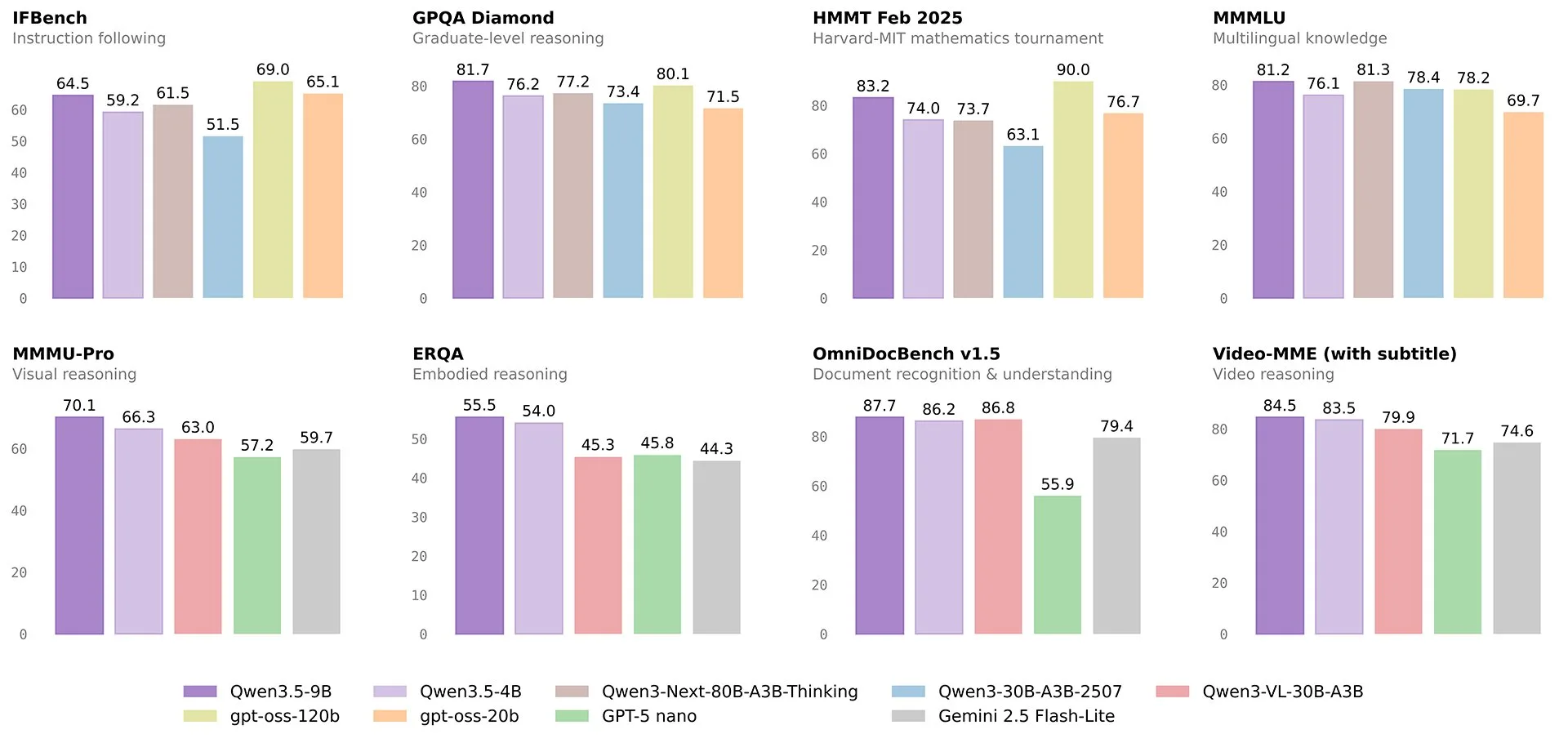
Qwen 3.5 Small Model Series Released: A New Era for Efficient AI
Explore Alibaba's Qwen 3.5 Small Model Series. Discover its innovative features, performance benchmarks, and impact on efficient AI development.

Introducing Grok 4.5: What's New in xAI's Latest AI Model
Discover the key advancements and features of Grok 4.5, xAI's latest large language model. Understand its capabilities and what makes it a significant update.
Continue exploring
Find AI agents by workflow
More in Industry Insights
Browse more articles in the Industry Insights category.
AI articles
Explore more guides and insights tagged AI.
Gemma 4 articles
Explore more guides and insights tagged Gemma 4.
AI Agent Categories
Browse use-case pages for sales, productivity, coding, customer service, and more.
AI Agents Landscape
Explore the full directory map and compare agents by workflow and category.
Agent Skills
Find reusable skills, capabilities, and building blocks for AI agent workflows.