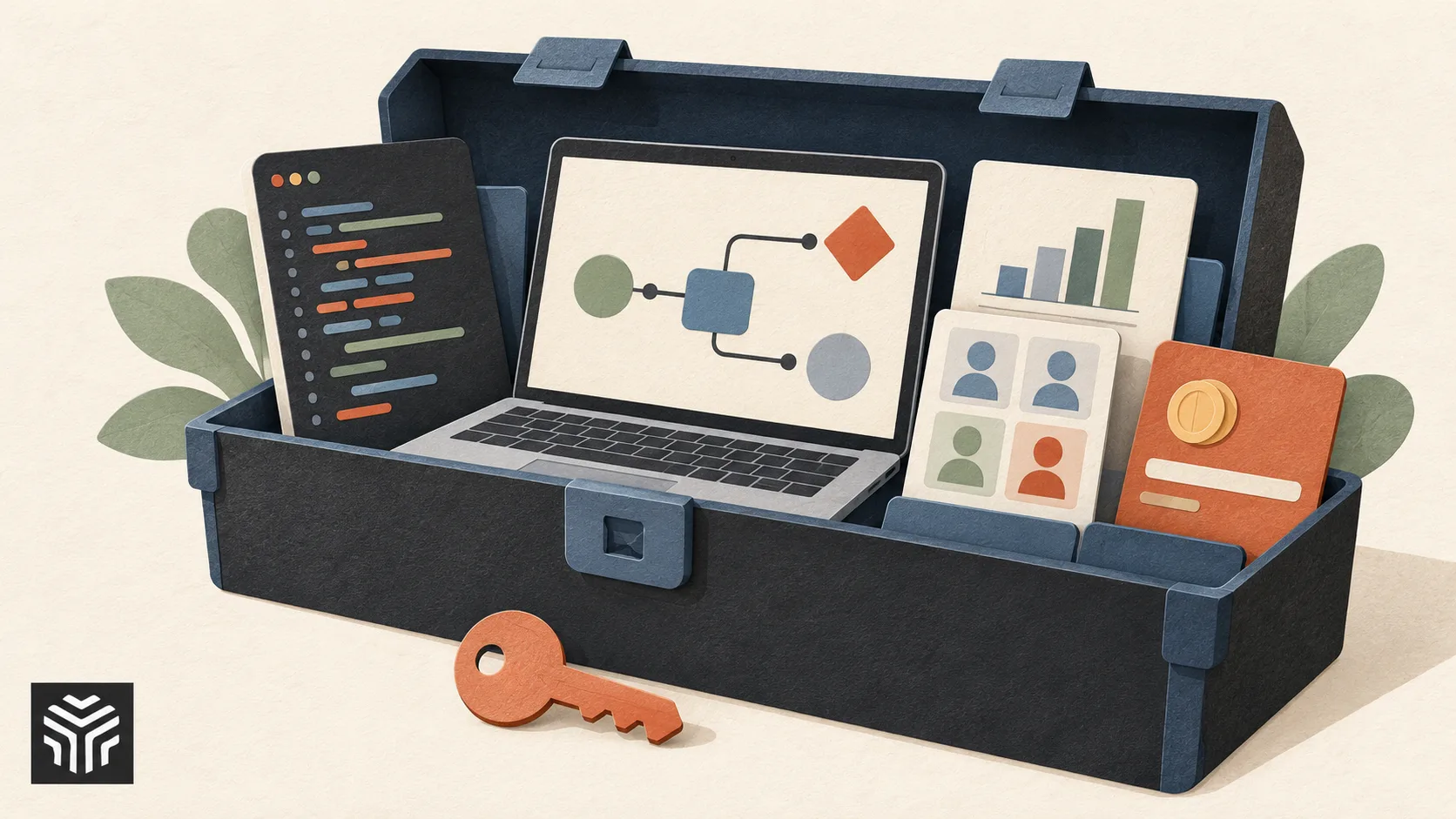
The Digital Tools Every AI Agent Founder Should Have From Day One
Most advice for AI agent founders starts with the technical stack: selecting model providers, setting up unified API gateways like ZenMux, designing an agent's architecture, working through various API integrations, and provisioning underlying infrastructure. Those decisions are important but there is an additional layer.
Having an AI agent that one is prepared to present to the market, the founder has to run an actual company for it. That means taking care of inquiries, addressing support tickets, billing customers, having confidence in the product at enterprise level, getting the company's product trusted with somebody's workflow/data.
The fortunate news is that you don't need to load a bunch of business applications all at once on day one. A small set of select applications can be all you need to run your business.
Start With A Website That Explains the Product
Your website is often the first real point of contact with your potential customer, investor, partner, or AI directory editor. You do not need dozens of pages but it needs to get the simple bits out the way as fast as possible.
Give a short summary of your AI agent and give a description of what your AI agent can do, the target audience for the product, what problems it aims to solve, and how somebody can try or contact you. State a price or at least how customers can order or request it.
This is mainly relevant for an AI agent that appeared on a directory: someone finding the product just through that directory might then go to the website before booking a demo.
A straightforward landing page can serve as both a sales support tool and a screening tool.
Track Every Lead and Support Request
A founder can take the first handful of conversations from an inbox but it gets cluttered pretty fast. Establish a simple customer resource management or helpdesk early enough so you don't lose these precious conversations.
At minimum, track:
Sales inquiries received.
Demo requests
Trial users
Customer questions with existing.
Follow-ups and unresolved issues
Partnership or integration requests
A T&A system can be very useful when an enterprise guest has a technical or commercial question that needs a response and may lead to further discussion. Basic functionality will ensure the forum does not get lost beneath newer comments.
It will also give you some really interesting glimpses into what people keep asking for. Eventually, these patterns can begin to influence your product roadmap, documentation, pricing structures and onboarding processes.
Make Payments And Invoicing Simple
You don't need an elaborate finance department to begin taking payments. Still, you should have systems in place to get paid up-front and to create professional invoices.
Choose the processor that's best for the market you are aiming at and the business model you are following. If it involves subscriptions, be sure the processor refunds failed payments, the receipts look the same and so on.
Invoices are even more important for Enterprise Accounts. The purchase groups can ask for company information, billing information, tax information, purchase orders or precise payment terms.
With those in hand, the solo founder will appear much more prepared when the initial serious agreement comes along.
Build Trust Before You Ask for Enterprise Business
Enterprise buyers don't just examine an AI agent for its capability; they also consider the business behind it.
Can you find a straightforward website? Is it possible to contact the company? What sort of documentation is available? How about support? Is the founder professional? What about privacy and security concerns?
It can be these very details that make the perfect match for ad/partner/integrate-on-demand directories. Directory listings can put your product in front of users who have never heard of you, so your associated ecosystem needs to pick up a certain level of trust slack.
Use Professional Communication From the Start
Emails are also among the easiest signals to create credibility. If you can, a company domain address can go a long way for customers, sales support, and partnership discussions.
AI agent founders can establish a proper business email address using your own domain and not a free personal email address. Not a big startup detail, but it offers enterprise buyers a more established point of contact when evaluating a solo founder or small team.
Similarly, your messaging should be uniform. The company name/logo, domain name and contact details should be the same on your website, in your email signature, directory entries, invoices, etc.
Prepare for Privacy and AI Risk Questions
In the future, enterprise users may be more inclined to question what will be done with the data given to an AI system by their employees or customers. Founders should be prepared with at least a rudimentary understanding of privacy, data use, security, and AI risks in advance.
The NIST AI Risk Management System is a valuable initial resource. As NIST states, it is a voluntary framework of guidelines, best practices, and methods for managing AI-related risks.
The European Commission provides good-practice guidelines under the General Data Protection Regulation (GDPR) for agents receiving personal data from EU residents. These principles include: data minimization, purpose limitation, security and accountability.
You don't have to have a long compliance process ready from day one but you should identify what information an agent handles, how it flows and why you're collecting it.
Set Up the Foundation Before You Scale
The technical stack may get the AI agent running, but the business stack is what will enable the founder to sell and support it.
A trustworthy website, well-structured user tracking, secure payments, professional correspondence and some simple privacy and risk assessments can all be the crucial steps to turn an interesting demo into a real enterprise.
Having these foundations in place from day one will also make operational issues less likely when traction comes. When the AI agent begins to bring in customers, directory traffic, enterprise leads and partnership opportunities, the founder will be working on the product rather than trying to build the business model from scratch.
Related Articles
View all articles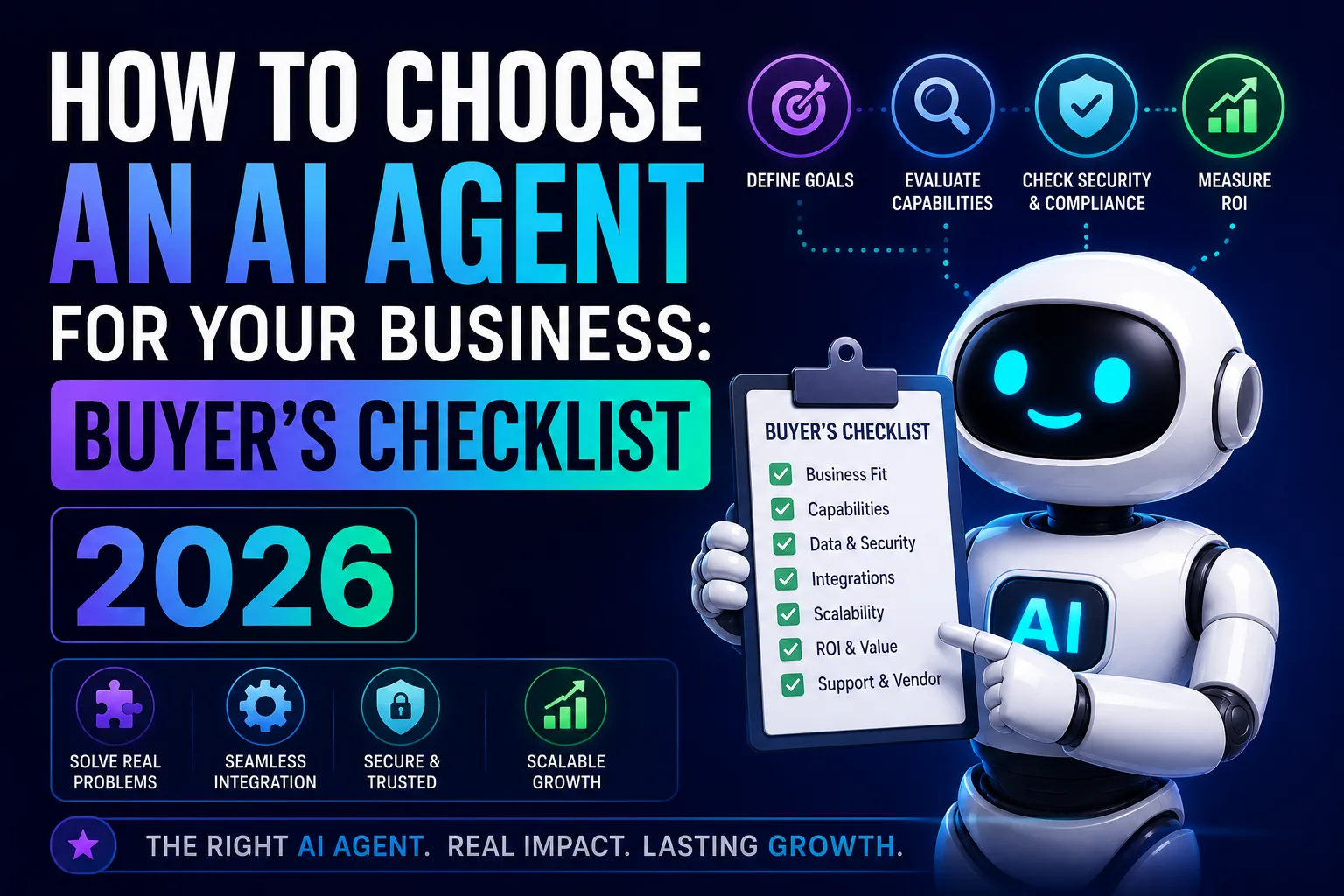
How to Choose an AI Agent for Your Business: Buyer’s Checklist 2026
Navigate AI agent selection for your business with our comprehensive checklist. Discover key criteria, essential features, and how to find the right fit.

AI Agent Startup Ideas You Can Start Building Today
Explore actionable AI agent startup ideas you can begin building today. Discover innovative concepts and learn how to leverage AI for your next venture.
Best AI Agents for Small Businesses in 2026: 10 Tools Compared
Discover top AI agents revolutionizing small businesses in 2026. Compare 10 essential tools to boost productivity, automate tasks, and drive growth.
Continue exploring
Find AI agents by workflow
More in Partner Insights
Browse more articles in the Partner Insights category.
AI Startups articles
Explore more guides and insights tagged AI Startups.
AI Agent Founders articles
Explore more guides and insights tagged AI Agent Founders.
AI Agent Categories
Browse use-case pages for sales, productivity, coding, customer service, and more.
AI Agents Landscape
Explore the full directory map and compare agents by workflow and category.
Agent Skills
Find reusable skills, capabilities, and building blocks for AI agent workflows.