The AI Commerce Wars: How Tech Giants Are Shaping the Future of Online Shopping
The landscape of online shopping is undergoing a significant transformation as major tech companies race to develop AI-powered shopping assistants. This new wave of innovation promises to revolutionize how consumers shop, offering personalized experiences and seamless transactions. However, it also raises questions about competition, data privacy, and the future of retail.
The Rise of AI Shopping Assistants
Companies like Amazon, Google, Walmart, OpenAI, and Shopify are at the forefront of this AI revolution. Each is developing advanced AI systems capable of assisting consumers throughout their shopping journey—from product discovery to purchase decisions.
Amazon is integrating AI into its Alexa platform, enabling voice-activated shopping and personalized recommendations.
Google is leveraging its search capabilities to offer AI-driven product suggestions and comparisons.
Walmart is incorporating AI into its mobile app to provide real-time inventory updates and personalized deals.
OpenAI is collaborating with various retailers to create conversational agents that can guide consumers through their shopping experience.
Shopify is empowering merchants with AI tools to enhance customer engagement and streamline sales processes.
The Competitive Landscape
As these companies develop their AI shopping assistants, they are also vying for dominance in the e-commerce space. This competition is not just about technological capabilities but also about controlling consumer data and influencing purchasing decisions.
Data Privacy Concerns: With AI systems collecting vast amounts of consumer data, there is growing concern about how this information is used and protected.
Market Share: Companies are striving to capture a larger share of the online shopping market by offering more intuitive and personalized AI experiences.
Consumer Trust: As AI becomes more integrated into shopping experiences, building and maintaining consumer trust will be crucial for these companies.
Implications for Consumers and Retailers
For consumers, the rise of AI shopping assistants offers several benefits:
Personalized Shopping: AI can analyze past behavior to recommend products tailored to individual preferences.
Convenience: Voice-activated and conversational interfaces make shopping more accessible and efficient.
Informed Decisions: AI can provide detailed product comparisons and reviews, aiding in better purchasing decisions.
For retailers, adopting AI technology can lead to:
Enhanced Customer Engagement: AI tools can help retailers connect with customers in more meaningful ways.
Operational Efficiency: Automation of tasks like inventory management and customer service can reduce costs.
Competitive Advantage: Early adoption of AI can differentiate retailers in a crowded market.
The Future of AI in E-Commerce
The AI commerce wars are just beginning. As technology advances, we can expect even more sophisticated AI shopping assistants that offer deeper personalization and more seamless integration across platforms. However, this will also bring challenges related to ethics, regulation, and the balance of power in the retail industry.
In conclusion, the race to develop AI-powered shopping assistants is reshaping the future of online retail. While consumers stand to benefit from more personalized and efficient shopping experiences, it is essential to remain vigilant about the implications of this technology. As the AI commerce wars unfold, the ultimate winners will be those who can balance innovation with responsibility.
Related Articles
View all articles
Agentic Commerce 2026: AI Shopping Agents, UCP, and Zero-Click Shopping
Explore agentic commerce in 2026: AI shopping agents, Universal Commerce Platforms (UCP), and zero-click shopping. Discover the future of personalized retail.
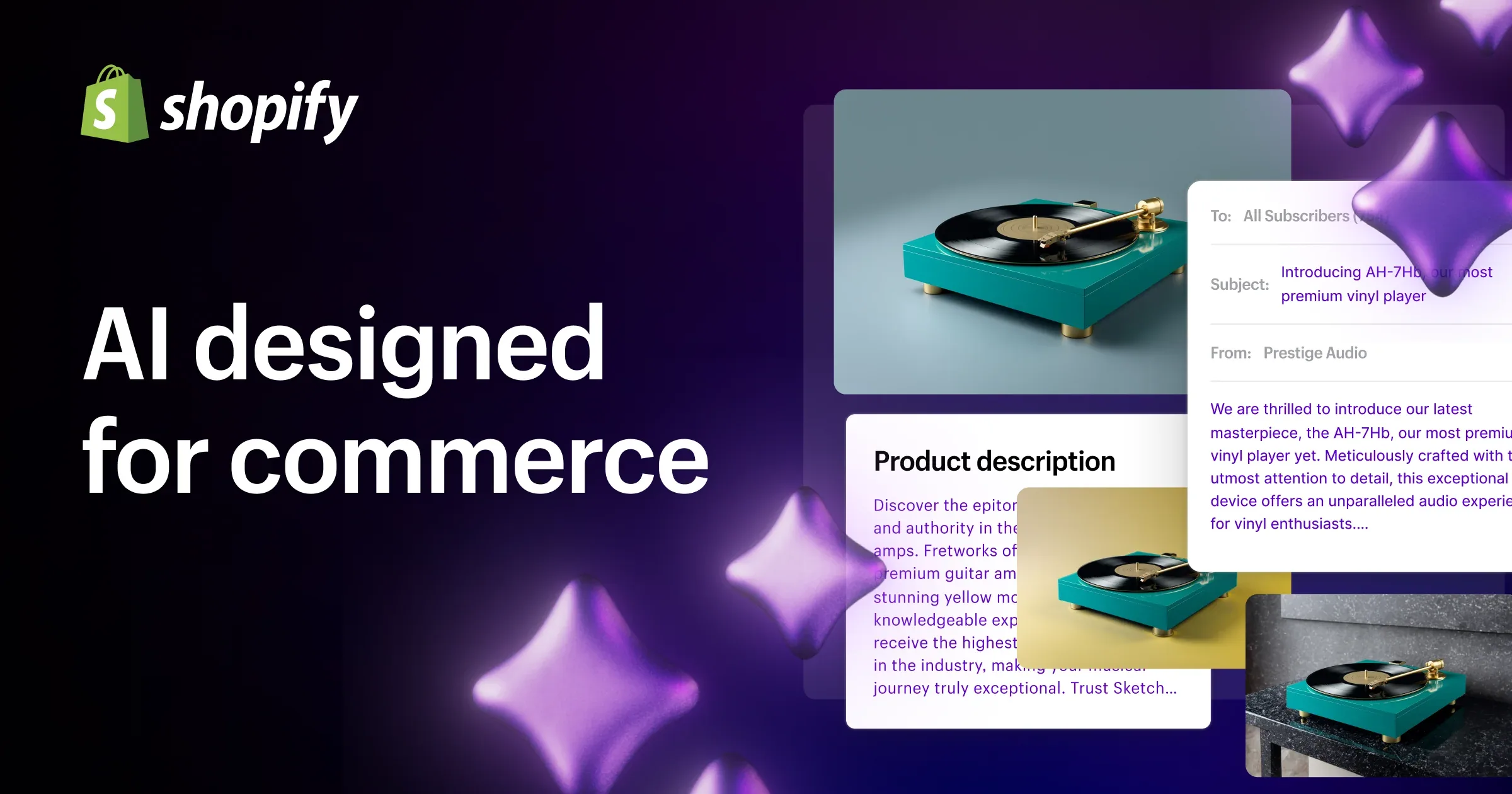
Shopify is preparing for AI shopping agents to change everything
Discover how Shopify is preparing for AI shopping agents and what this shift means for your store's future, SEO, and the move toward conversational commerce.
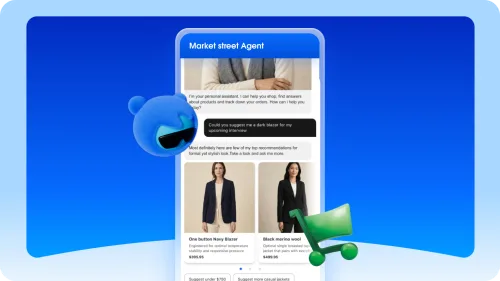
Agentforce Commerce Turns Shopping Into an Agent-Led Experience
Discover how Agentforce Commerce transforms online shopping into a personalized, agent-led experience, leveraging AI for streamlined purchases and enhanced customer journeys.
Continue exploring
Find AI agents by workflow
More in Industry Insights
Browse more articles in the Industry Insights category.
AI Agent Categories
Browse use-case pages for sales, productivity, coding, customer service, and more.
AI Agents Landscape
Explore the full directory map and compare agents by workflow and category.
Agent Skills
Find reusable skills, capabilities, and building blocks for AI agent workflows.
Free AI Agents
Discover free AI agents and tools for testing agentic workflows without upfront cost.
Open Source AI Agents
Compare open-source agents, frameworks, and developer-friendly agent projects.