OpenAI Agent Builder: The Reality Behind the Hype

When OpenAI announced Agent Builder, the AI world reacted as if the next industrial revolution had arrived.
Headlines declared that “AI agents can finally act,” and early demos suggested that anyone could now build a personalized digital workforce without writing code.
But after the initial wave of excitement, the truth is becoming clear: Agent Builder is not the breakthrough many expected.
It’s a meaningful step forward, yes — but it’s not a revolution. Instead, it marks a shift toward something quieter, more foundational, and far more strategic.
The Promise of Agent Builder
The idea behind OpenAI’s Agent Builder is simple and seductive:
a visual, drag-and-drop interface that lets users build AI agents capable of performing actions, handling logic, and integrating with tools.
It sounds like the missing piece — the bridge between text-based conversations and real-world execution.
In theory, this makes agentic AI accessible to everyone: creators, entrepreneurs, and teams who want to automate workflows without coding.
However, what many users are discovering is that Agent Builder automates structure, not intelligence. It doesn’t create autonomous agents — it creates well-organized prompt sequences.
Why Agent Builder Isn’t a Cognitive Leap
At its core, the current version of Agent Builder focuses on workflow management, not reasoning or learning.
These agents can follow instructions and trigger tools, but they don’t adapt, reflect, or improve over time.
They don’t have long-term memory, intrinsic goals, or a sense of context that extends beyond the current session.
In practical terms, that means they can execute a plan — but they can’t understand why they’re doing it.
This distinction matters because it separates AI as automation from AI as intelligence.
Agent Builder falls firmly in the first category: a productivity layer that simplifies repetitive tasks rather than a thinking system capable of autonomous decision-making.
OpenAI’s Strategic Play: Centralization, Not Autonomy
While much of the public discussion focuses on features, the real strategy behind Agent Builder is ecosystem control.
By launching AgentKit and Agent Builder together, OpenAI has effectively centralized the agent creation process within ChatGPT — from discovery to deployment to monetization.
For builders and startups, that means the path to creating an agent now runs through OpenAI’s platform, APIs, and payment systems.
It’s convenient — but also limiting.
This move mirrors the early days of mobile apps, when Apple turned the App Store into both an innovation hub and a gatekeeper.
Agent Builder does something similar for AI: it gives everyone a toolkit, but keeps the ecosystem tightly bound to OpenAI’s infrastructure.
That’s why open marketplaces like AI Agents Directory remain essential — they give developers and users a neutral ground to discover, compare, and test agents built across ecosystems.
If you want to see how the broader agent world looks beyond OpenAI’s walls, check out our AI Agents Landscape Map — an interactive view of hundreds of agentic startups, frameworks, and tools shaping the next wave of AI innovation.
What Agent Builder Reveals About the State of AI Agents
Agent Builder isn’t a failure — it’s a mirror.
It reflects where AI agents truly are in 2025: incredibly promising, but still early.
Here’s what this moment teaches us:
Convenience ≠ Cognition – Building faster doesn’t mean building smarter.
Integration ≠ Intelligence – Connecting APIs and actions is not the same as autonomous reasoning.
Centralization ≠ Ecosystem Growth – True innovation thrives when multiple players compete and collaborate.
The hype surrounding “fully autonomous agents” overshadows the reality: most agents today are sophisticated assistants, not self-governing entities.
And that’s fine. Every major technology wave starts this way — infrastructure first, breakthroughs later.
A Grounded Look Forward
Agent Builder is a milestone, but not the finish line.
It gives us a glimpse of what an agentic future could look like once we solve the harder problems — persistent memory, reasoning across long contexts, and safe autonomy.
The real progress will come from the open agent ecosystem:
independent builders, frameworks, and platforms experimenting outside centralized boundaries.
That’s where ideas will collide, evolve, and eventually redefine what an AI agent truly is.
Until then, Agent Builder remains a powerful prototype — not a paradigm shift.
Final Thoughts
OpenAI didn’t deliver the revolution people imagined.
Instead, it delivered something more subtle and arguably more important — a foundation.
By making agent creation easier, OpenAI brought more people into the conversation about what agents can be.
But the real breakthroughs will come from the builders, researchers, and marketplaces expanding beyond the platform.
If you want to see where the future of agentic AI is actually forming, explore the evolving AI Agents Landscape Map — a living snapshot of the companies, frameworks, and ecosystems pushing the boundaries of what agents can do.
Because the revolution isn’t happening inside a single tool.
It’s happening across the network of agents learning to work together.
Related Articles
View all articles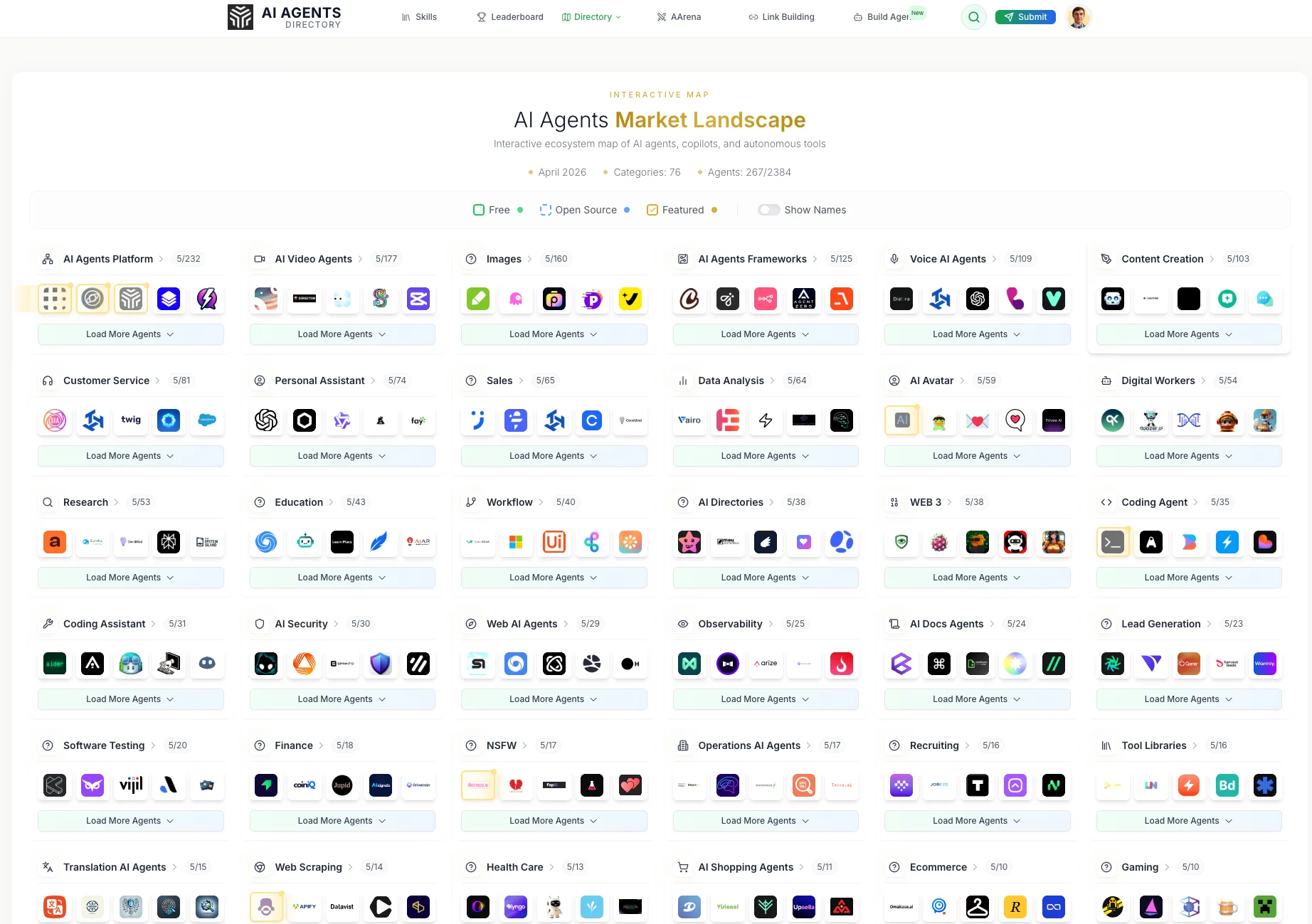
The Autonomous Marketplace: How AI Agent Directory is Building the Agentic Economy
Explore how AI Agent Directories are pioneering the Autonomous Marketplace, paving the way for the agentic economy and transforming how AI agents operate.

AI Agents Directory Launches Skill Hub
Discover the new AI Agents Directory Skill Hub. Find, vet, and deploy autonomous AI agents for business automation with our new specialized toolset.
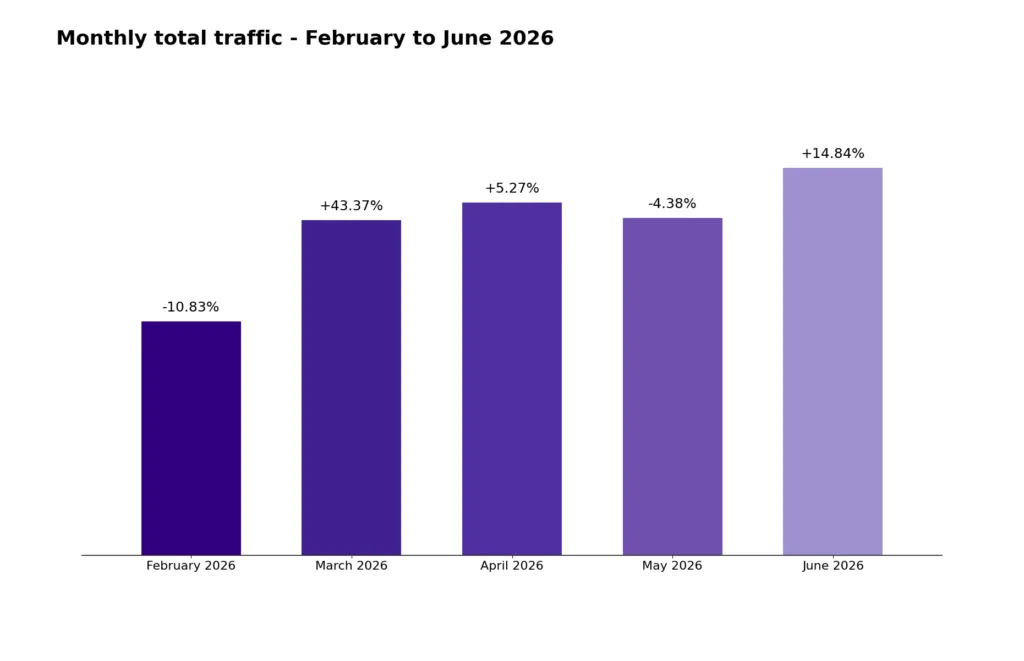
State of Agentic Traffic: Browser Agent Tooling for Developers is Catching On
Explore agentic traffic and browser agent tooling empowering developers to build and manage AI agents in web environments. Understand its impact and future.
Continue exploring
Find AI agents by workflow
More in Industry Insights
Browse more articles in the Industry Insights category.
AI Agent Categories
Browse use-case pages for sales, productivity, coding, customer service, and more.
AI Agents Landscape
Explore the full directory map and compare agents by workflow and category.
Agent Skills
Find reusable skills, capabilities, and building blocks for AI agent workflows.
Free AI Agents
Discover free AI agents and tools for testing agentic workflows without upfront cost.
Open Source AI Agents
Compare open-source agents, frameworks, and developer-friendly agent projects.