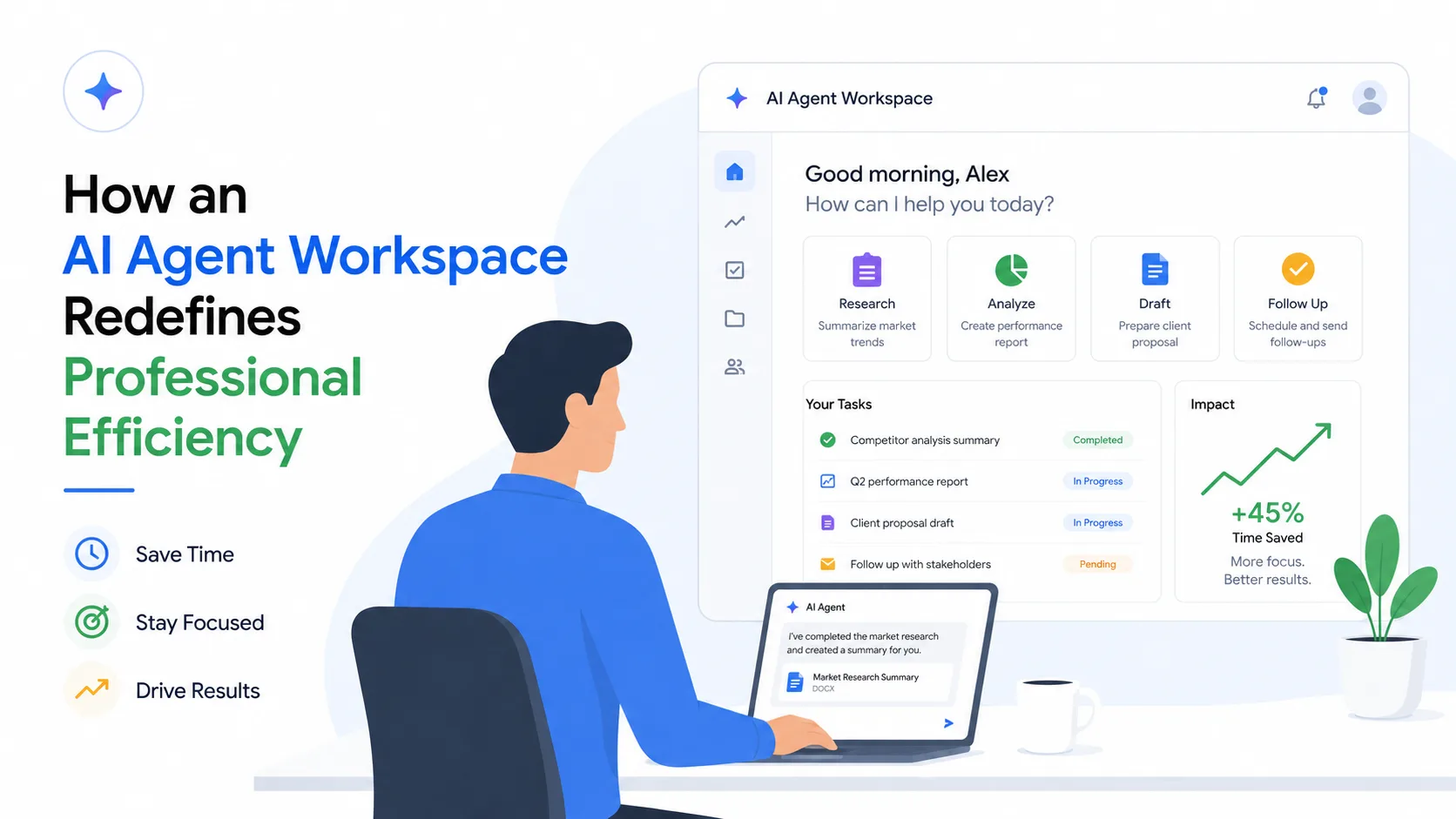
How an AI Agent Workspace Redefines Professional Efficiency
What is an AI Agent Workspace?
In today's fast-paced professional landscape, the quest for enhanced productivity and streamlined operations is constant. The emergence of the AI agent workspace marks a significant leap forward, fundamentally altering how individuals and teams approach their daily tasks. An AI agent workspace is not merely a collection of AI tools; it's an integrated environment designed to house, manage, and orchestrate multiple autonomous AI agents, enabling them to collaborate and perform complex tasks with minimal human intervention. Think of it as a sophisticated command center where AI assistants are deployed, monitored, and directed to achieve specific business objectives.
At its core, an AI agent workspace comprises several key components:
AI Agents: These are specialized AI programs designed to perform specific functions, such as data analysis, content generation, customer support, or project management.
Orchestration Layer: This is the intelligence that manages the interaction and workflow between different AI agents, ensuring they work in synergy.
User Interface: A dashboard or portal that allows users to define tasks, monitor progress, set parameters, and interact with the agents.
Integration Hub: Connectors that allow the workspace to interface with existing business software and data sources.
The primary goal is to leverage AI's capabilities to automate repetitive tasks, enhance decision-making, and free up human workers for more strategic and creative endeavors. This redefines professional efficiency by shifting the focus from manual execution to intelligent oversight and strategic direction.
Key Features Driving Professional Efficiency
The transformative power of an AI agent workspace stems from its advanced functionalities. These features are designed to create a more dynamic, responsive, and efficient work environment. Understanding these capabilities is crucial for grasping how AI agent workspaces redefine professional efficiency.
Automating Workflows and Tasks
One of the most significant contributions of an AI agent workspace is its ability to automate complex workflows. Instead of individual tasks being handled in isolation, agents within the workspace can be chained together to complete multi-step processes. For instance, an agent might be tasked with identifying sales leads, another with researching those leads' company information, and a third with drafting a personalized outreach email. The workspace orchestrates this entire sequence, ensuring a smooth and efficient progression from initiation to completion.
Agent Orchestration and Collaboration
Agent orchestration is a cornerstone of the AI agent workspace. It refers to the intelligent coordination of multiple AI agents to achieve a common goal. This involves agents communicating with each other, sharing information, and adapting their actions based on the output of other agents. This collaborative intelligence is what allows for the automation of tasks that would typically require human judgment and coordination. The ability of agents to work together seamlessly is a key differentiator that elevates professional efficiency beyond simple task automation.
Data Analysis and Insight Generation
AI agents excel at processing vast amounts of data. Within a workspace, agents can be deployed to collect, analyze, and interpret data from various sources. This leads to faster, more accurate insights that inform better decision-making. Whether it's market trend analysis, customer sentiment monitoring, or performance metric tracking, AI agents can provide real-time intelligence, empowering professionals to act more strategically.
Personalized AI Assistants
Modern AI agent workspaces are moving towards highly personalized assistants. These agents learn from user behavior and preferences, adapting their support and outputs to individual needs. This means an agent might proactively suggest tasks, streamline communication based on a user's typical interactions, or even anticipate information needs before they are explicitly requested. This level of personalization significantly boosts individual productivity and job satisfaction.
How AI Agent Workspaces Redefine Professional Efficiency
The integration of AI agent workspaces into professional settings fundamentally alters the landscape of work, ushering in a new era of efficiency. This redefinition is not just about doing things faster; it's about doing things smarter, enabling humans to focus on higher-value activities.
Accelerated Task Completion
By automating repetitive and time-consuming tasks, AI agents dramatically accelerate the completion of workflows. This means projects that once took days or weeks can now be accomplished in hours or even minutes. This speed-up allows businesses to be more agile, respond more quickly to market changes, and deliver results faster to clients.
Reduced Human Error
AI agents perform tasks with a high degree of precision and consistency, minimizing the risk of human error. In areas like data entry, complex calculations, or compliance checks, the consistent application of rules and algorithms by AI agents leads to more reliable outcomes and reduces the need for extensive error correction.
Enhanced Decision-Making
With AI agents capable of analyzing vast datasets and identifying patterns that might be missed by humans, decision-making becomes more informed and data-driven. The workspace can provide real-time insights and predictive analytics, allowing professionals to make strategic choices with greater confidence and foresight. This is particularly impactful in areas like financial forecasting, market entry strategies, and resource allocation.
Empowered Human Collaboration
While AI agents automate tasks, they don't replace human collaboration. Instead, they enhance it. By taking over mundane duties, AI agents free up human team members to focus on tasks that require creativity, critical thinking, emotional intelligence, and complex problem-solving. This shift allows teams to engage in more meaningful collaboration, leading to innovation and better strategic outcomes. The future of work with AI agents involves humans and AI working in tandem, each leveraging their unique strengths.
Streamlining Complex Business Processes
Many business processes are inherently complex, involving multiple departments, systems, and stakeholders. An AI agent workspace can act as a central nervous system, connecting disparate parts of the business and ensuring that information flows smoothly and tasks are executed in the correct sequence. This streamlining effect reduces bottlenecks, improves communication, and increases overall operational efficiency.
Benefits for Individuals and Teams
The advantages of adopting an AI agent workspace extend to both individual professionals and entire teams, fostering a more productive and engaging work environment.
For Individuals:
Reduced Cognitive Load: Automating mundane tasks frees up mental energy for more challenging and rewarding work.
Skill Development: Professionals can focus on learning and applying higher-level skills, leading to career growth.
Improved Work-Life Balance: Increased efficiency can lead to shorter work hours or more flexibility.
Enhanced Job Satisfaction: By removing tedious tasks, work becomes more engaging and impactful.
For Teams:
Increased Output: Teams can accomplish more in less time, boosting overall productivity.
Better Collaboration: AI agents can handle inter-departmental communication and task delegation, improving team synergy.
Faster Project Delivery: Streamlined workflows and reduced errors lead to quicker project completion.
Data-Driven Culture: Easy access to insights fosters a more analytical and strategic approach to problem-solving.
The benefits of using an AI agent workspace are clear: increased efficiency, reduced errors, faster turnaround times, and a more engaged workforce. For businesses looking to harness the power of AI, understanding how to choose the right AI agent for specific business needs is paramount. This buyer's checklist can guide you through the selection process.
Use Cases and Applications
The versatility of AI agent workspaces allows them to be applied across a wide range of industries and functions. Here are a few concrete examples:
Customer Service
AI agents can handle initial customer inquiries, provide instant answers to frequently asked questions, route complex issues to human agents, and even process returns or order modifications. This significantly reduces wait times and improves customer satisfaction. The workspace can also analyze customer interactions to identify trends and areas for service improvement.
Sales and Marketing
Tasks such as lead generation, qualification, personalized email outreach, social media monitoring, and campaign performance analysis can be automated. AI agents can identify high-potential leads, automate follow-ups, and provide sales teams with real-time insights into prospect behavior, thereby improving conversion rates.
Software Development
AI agents can assist with code generation, bug detection, automated testing, and documentation. They can even help manage project workflows, track progress, and identify potential roadblocks, accelerating the development lifecycle.
Research and Development
In scientific research, AI agents can sift through vast amounts of literature, identify relevant studies, analyze experimental data, and even suggest new hypotheses. This accelerates the pace of discovery and innovation.
Operations and Logistics
AI can optimize supply chain management, predict equipment maintenance needs, manage inventory, and streamline transportation routes. The workspace can coordinate various operational agents to ensure maximum efficiency and cost savings.
"The rise of autonomous agents and their integration into daily work is no longer a futuristic concept but a present reality. AI agent workspaces are at the forefront of this revolution, promising to reshape how we work and what we achieve."
Challenges and Considerations
While the potential of AI agent workspaces is immense, there are challenges and considerations that businesses must address for successful implementation. Understanding these aspects is key to effectively integrating AI into your professional workflows.
Data Privacy and Security
AI agents often handle sensitive data. Ensuring robust data privacy and security measures is paramount to protect against breaches and maintain compliance with regulations. This includes secure data storage, encrypted communications, and strict access controls.
Integration Complexity
Integrating an AI agent workspace with existing legacy systems can be complex and time-consuming. Organizations need to plan for potential compatibility issues and ensure their IT infrastructure can support the new AI tools.
Ethical Implications and Bias
AI systems can inherit biases from the data they are trained on. It's crucial to develop and deploy AI agents ethically, actively working to mitigate bias and ensure fairness in their decision-making processes. Regular audits and diverse training data are essential.
Human Oversight and Training
While AI automates tasks, human oversight remains critical. Employees need to be trained on how to effectively use and manage AI agent workspaces, understand their limitations, and know when to intervene. Building AI literacy within the workforce is an ongoing process.
Cost of Implementation
The initial investment in AI agent workspaces, including software, hardware, and training, can be significant. Businesses must carefully evaluate the return on investment and plan their budget accordingly. For those interested in building their own AI capabilities, exploring resources on how to build your own agent harness can be a valuable starting point.
The Future of Work with AI Agent Workspaces
The trajectory of AI agent workspaces points towards a future where work is more intelligent, collaborative, and human-centric. As AI capabilities continue to advance, we can expect these workspaces to become even more sophisticated, autonomous, and integrated into the fabric of our professional lives.
The impact of AI on the future of team collaboration will be profound. Teams will likely operate with AI agents as integral members, handling routine tasks and providing data-driven support, allowing humans to focus on innovation, strategy, and interpersonal dynamics. This symbiotic relationship will redefine the very nature of teamwork, making it more efficient and creative.
The trend towards personalized AI assistants will continue, with workspaces offering highly customized experiences tailored to individual roles and preferences. This will lead to unprecedented levels of personal productivity and job satisfaction. Ultimately, AI agent workspaces are not just tools for automation; they are catalysts for organizational transformation, paving the way for a more efficient, adaptable, and human-focused future of work.
To truly harness the potential of AI in your organization, consider how an AI agent workspace can transform your professional productivity and streamline your operations. Explore the possibilities and take the next step towards a more efficient future.
Related Articles
View all articles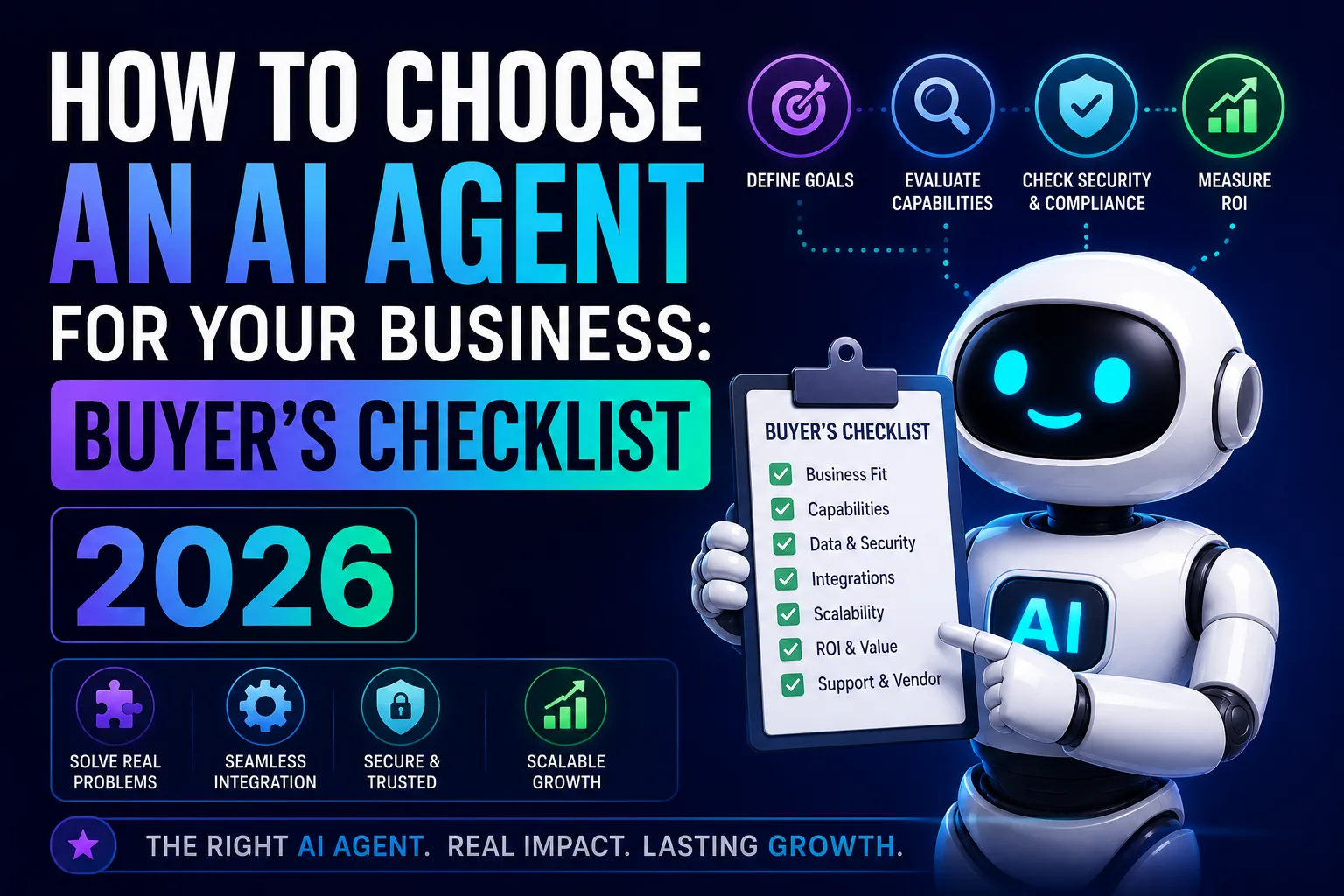
How to Choose an AI Agent for Your Business: Buyer’s Checklist 2026
Navigate AI agent selection for your business with our comprehensive checklist. Discover key criteria, essential features, and how to find the right fit.
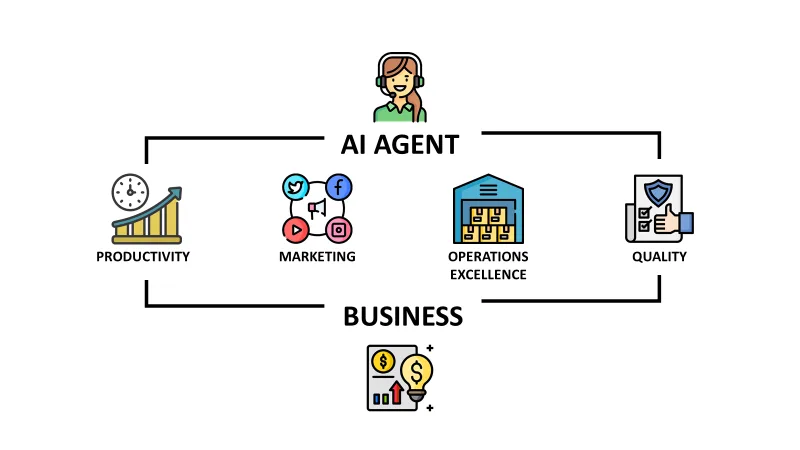
How to Make AI Agents Work for Your Business: A Strategic Guide
Learn how to effectively integrate AI agents into your business operations. Discover strategies for deployment, workflow automation, and scaling your AI capacity.
Best AI Agents for Small Businesses in 2026: 10 Tools Compared
Discover top AI agents revolutionizing small businesses in 2026. Compare 10 essential tools to boost productivity, automate tasks, and drive growth.
Continue exploring
Find AI agents by workflow
More in Industry Insights
Browse more articles in the Industry Insights category.
AI articles
Explore more guides and insights tagged AI.
Productivity articles
Explore more guides and insights tagged Productivity.
AI Agent Categories
Browse use-case pages for sales, productivity, coding, customer service, and more.
AI Agents Landscape
Explore the full directory map and compare agents by workflow and category.
Agent Skills
Find reusable skills, capabilities, and building blocks for AI agent workflows.