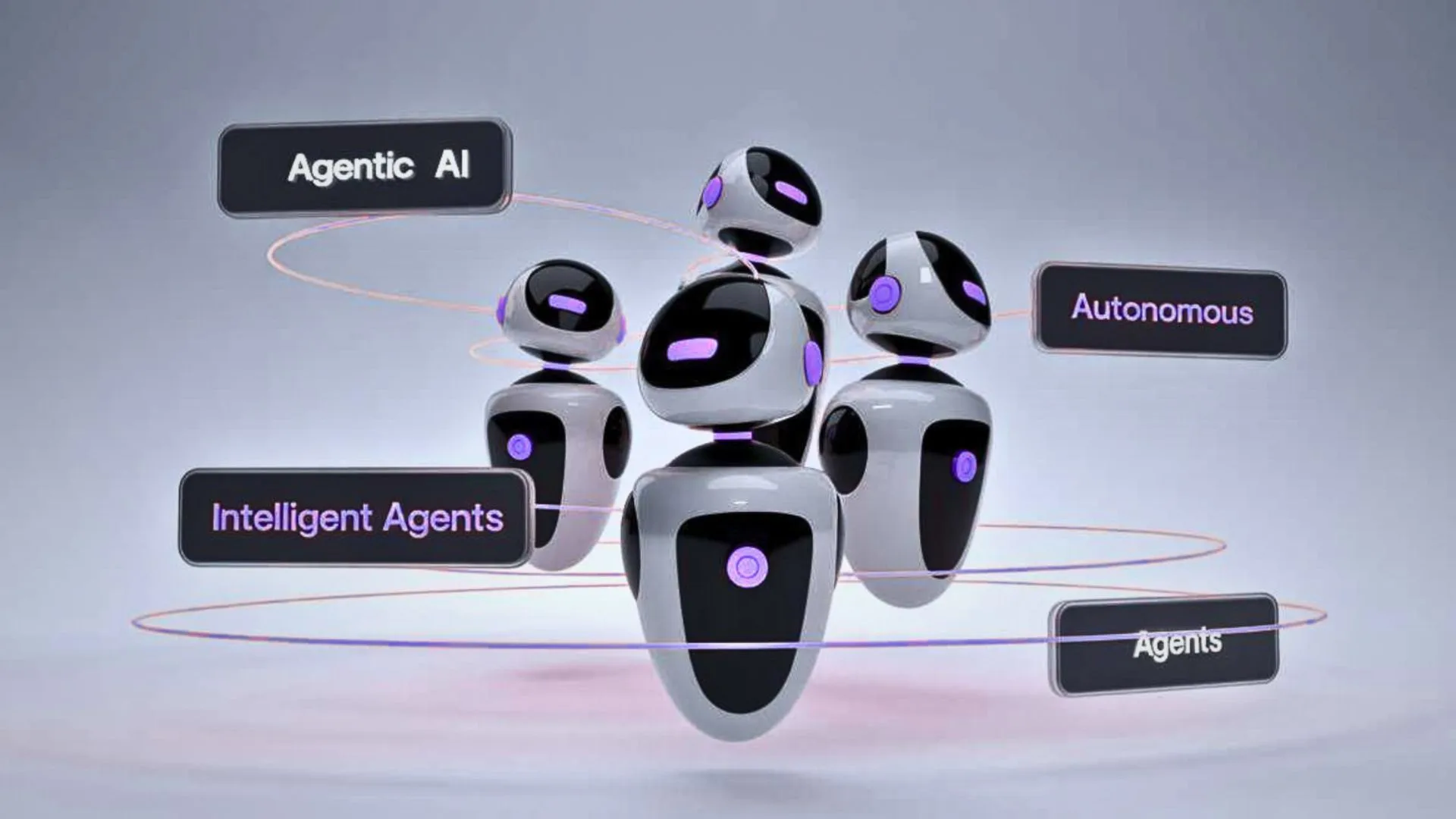
From Chatbots to Autonomous Digital Employees: The Future of Agentic AI
Introduction
The world of artificial intelligence is evolving at breakneck speed. Once confined to simple chatbots that answered basic questions, AI has now advanced to a point where digital assistants are beginning to function as fully autonomous digital employees. This new era—often referred to as agentic AI—promises to redefine human-computer interaction, streamline operations, and fundamentally change how businesses operate.
The Evolution: From Chatbots to Autonomous Agents
Early AI systems were limited to chatbots that engaged users in scripted conversations. These chatbots, while useful for handling routine customer queries, lacked the ability to make decisions or take actions without human input. Over time, improvements in natural language processing (NLP) and machine learning led to smarter, more interactive assistants. However, what we are witnessing now is a leap beyond reactive chat interfaces.
Autonomous digital employees, or AI agents, possess a higher degree of autonomy. They are capable of reasoning, decision‑making, and even executing complex workflows on their own. These agents move past the “question-and-answer” model of traditional chatbots to actively manage tasks, learn from their environment, and improve over time.

Key Technologies Enabling Agentic AI
The transformation from basic chatbots to autonomous digital employees is underpinned by several cutting‑edge technologies:
Advanced Large Language Models (LLMs):
Modern LLMs, like OpenAI’s GPT series, power agentic AI with robust language understanding and generation capabilities. These models enable AI agents to understand context, infer user intent, and generate human-like responses.Reinforcement Learning & Self-Improvement:
Reinforcement learning allows AI agents to learn from their interactions and improve their performance over time. This continuous learning process is critical for agents to operate reliably in dynamic environments.Function Calling and Multi-Agent Coordination:
The ability for agents to call external tools and coordinate with other agents is a game‑changer. Gaining a fundamental overview through a dedicated course on ai agents for beginners highlights exactly how these system triggers interact behind the scenes. This functionality enables them to execute multi‑step processes—such as scheduling meetings, managing inventory, or even processing transactions—without needing constant human oversight.Persistent Memory and Contextual Awareness:
Unlike traditional chatbots that treat each interaction in isolation, autonomous agents maintain context over long periods. This persistent memory allows them to adapt to user preferences and refine their responses based on historical data.
Use Cases & Benefits of Autonomous Digital Employees
Agentic AI is set to revolutionize various industries by functioning as an autonomous digital workforce. Here are some key applications and their benefits:
Customer Service:
Autonomous agents can handle complex customer queries, troubleshoot issues, and even process returns—all in real time. This leads to faster response times, increased customer satisfaction, and reduced reliance on large support teams.Internal Operations:
Digital employees can manage scheduling, data analysis, and workflow automation across departments. For example, an AI agent might automatically analyze sales data, generate reports, and flag anomalies without human intervention, thereby increasing efficiency.Sales and Marketing:
In sales, AI agents can perform lead qualification, follow up on prospects, and generate personalized outreach messages. This reduces the workload on human sales teams and allows them to focus on high‑value engagements .HR & Administration:
From screening resumes to scheduling interviews and onboarding new employees, autonomous agents streamline HR processes. They ensure that routine tasks are handled swiftly, freeing HR professionals to concentrate on strategic initiatives.Financial Analysis and Fraud Detection:
By continuously monitoring transactions and analyzing large data sets, digital employees can identify potential fraud, optimize pricing strategies, and forecast market trends with high precision.
Challenges in the Transition
While the promise of autonomous digital employees is exciting, several challenges remain:
Reliability & Accuracy:
Despite impressive advancements, AI agents sometimes make errors or “hallucinate” information. Ensuring that these agents function reliably—especially when performing critical tasks—requires robust testing and continuous monitoring.Security & Compliance:
Autonomous agents interact with sensitive data and systems. It’s essential to implement stringent security measures and ensure compliance with industry regulations to protect data integrity.Integration with Legacy Systems:
Many organizations rely on legacy systems that may not easily integrate with modern AI solutions. Overcoming these integration challenges is crucial for a smooth transition to autonomous digital employees.User Trust & Ethical Considerations:
As AI agents assume more responsibilities, maintaining user trust becomes paramount. Transparency in decision‑making processes and clear guidelines for human oversight are necessary to address ethical concerns.
The Future of Agentic AI: A New Digital Workforce
The shift from reactive chatbots to proactive, autonomous digital employees marks a significant milestone in the evolution of AI. These advanced agents promise to enhance productivity, reduce operational costs, and free up human talent for more strategic tasks. Major tech companies are investing heavily in agentic AI, signaling that this is not just a passing trend but a fundamental transformation of the digital landscape.
With the advent of robust platforms and marketplaces, businesses can now select, customize, and deploy AI agents that perfectly fit their needs. Our very own AI Agents Marketplace provides a curated collection of reliable, high‑performance digital assistants that can be seamlessly integrated into existing workflows. Whether you need an agent for customer service, operations, or specialized industry tasks, our marketplace offers pre‑vetted solutions designed to drive efficiency and innovation.
Conclusion
From humble chatbots to autonomous digital employees, agentic AI is poised to redefine how we interact with technology. As AI agents become more capable of handling complex, multi‑step tasks autonomously, they promise to usher in a new era of digital transformation. By addressing challenges such as reliability, security, and integration, businesses can harness the full potential of autonomous agents to build a smarter, more efficient workforce.
Explore our AI Agents Marketplace today to discover how you can integrate these next‑generation digital employees into your operations and stay ahead in the rapidly evolving AI landscape.
Embrace the future of work—where AI agents do the heavy lifting while you focus on what truly matters.
Related Articles
View all articles
2026 AI Breakthrough Winners Put Agentic AI in the Spotlight
Explore the rise of agentic AI. Learn how autonomous systems are shifting from simple chatbots to complex workflows and what this means for the future of work.

Agentic AI Is Reshaping Commerce
Discover how agentic AI is reshaping commerce by moving beyond simple chatbots to autonomous agents that execute complex tasks and optimize supply chains.
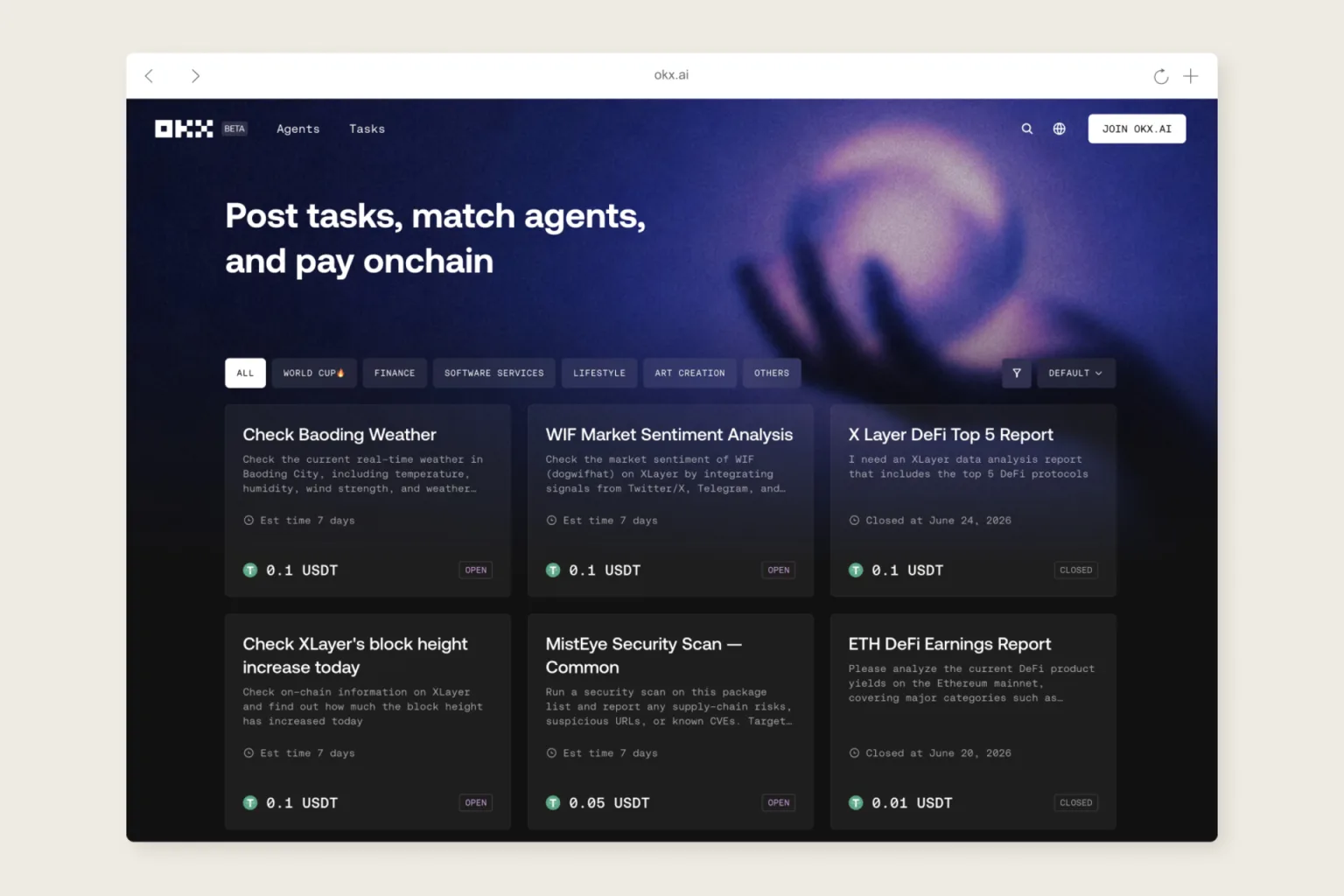
OKX's Vision: AI Agents Hiring and Paying Each Other
Explore OKX's groundbreaking proposal for AI agents to autonomously hire and compensate each other, and what this could mean for the future of work.
Continue exploring
Find AI agents by workflow
More in Industry Insights
Browse more articles in the Industry Insights category.
ai articles
Explore more guides and insights tagged ai.
AI Agent Categories
Browse use-case pages for sales, productivity, coding, customer service, and more.
AI Agents Landscape
Explore the full directory map and compare agents by workflow and category.
Agent Skills
Find reusable skills, capabilities, and building blocks for AI agent workflows.
Free AI Agents
Discover free AI agents and tools for testing agentic workflows without upfront cost.