
Could Your Next Smart Home Run on AI Agents Instead of Apps?
Smart homes were supposed to make everyday life simpler, yet many households now manage a separate app for the thermostat, lights, cameras, locks, appliances, and entertainment systems. Each product may be intelligent on its own, but the person living in the home still has to move between interfaces and decide what every device should do.
AI agents could change that relationship. Instead of opening five apps and adjusting five settings, a homeowner might give one instruction based on an outcome: prepare the house for a cold evening, reduce energy use while everyone is away, or make the downstairs comfortable before guests arrive. Software could then interpret the request, check conditions, and coordinate compatible devices. The idea is still developing, but it points toward a smart home where automation is organized around intentions rather than individual products.
Smart Climate Control Shows Why Context Matters
Thermostats already demonstrate the difference between direct control and more adaptive automation. Traditional programmable models follow schedules, while newer devices can use occupancy, geofencing, sensors, and usage patterns to make temperature management more responsive. Even so, homeowners still need to choose equipment that matches the heating and cooling system installed in the property.
A Nest vs Honeywell comparison, for example, becomes useful because the devices can differ in automation style, sensor use, scheduling, and system requirements. An AI agent would not eliminate those hardware differences. Instead, it could potentially use information from the thermostat alongside weather, room occupancy, energy preferences, and household routines before deciding when a temperature adjustment makes sense.
That is an important distinction. A genuinely intelligent home should not simply make more decisions automatically. It should understand enough context to make fewer unnecessary decisions. If a room is empty, the weather is mild, and nobody is expected home for hours, the system may respond differently than it would on a freezing evening when several people are arriving.
One Agent Could Coordinate Devices That Currently Work Alone
Most smart devices still operate within their own narrow responsibilities. A thermostat controls temperature. Smart blinds open or close. Lights respond to schedules or motion. A door lock manages access. The homeowner creates the connections, usually through routines, scenes, or several separate apps.
An AI agent could act as a coordinating layer. Imagine telling the home that guests will arrive at seven. The system might adjust the temperature in occupied rooms, turn on exterior lighting near arrival time, keep unused areas at lower settings, and prepare selected indoor lights. The instruction describes the situation rather than every individual action.
The challenge will be preventing the agent from becoming unpredictable. People may tolerate a music recommendation they dislike, but unexpected changes to locks, heating, or security feel much more serious. Coordination will only be valuable if homeowners can understand what the system is doing and place clear limits on its authority.
Apps May Become Control Panels Rather Than Daily Destinations

Photo by Growtika on Unsplash
Smart-home apps are unlikely to disappear completely. Devices still need installation tools, account settings, diagnostics, permissions, and manual controls. What may change is how frequently people open those apps after the initial setup.
An agent-based home could move routine interaction into a conversational interface. A resident might ask why a room feels colder, request lower energy use for the week, or tell the system that someone will be working from home tomorrow. The agent could interpret the request and adjust existing device settings without requiring the user to remember which application controls each part of the house.
This shift would also change product design. Manufacturers might need to focus less on keeping users inside branded apps and more on making devices understandable to shared automation systems. Reliable communication, clear device states, and strong interoperability could become more valuable than adding another proprietary dashboard.
AI Agents Will Need Strict Boundaries Inside the Home
Giving software more independence creates obvious questions about privacy and control. A useful home agent may need information about occupancy, routines, temperature preferences, device activity, and upcoming plans. The more context it receives, the more effectively it may coordinate the home, but the amount of personal data involved also grows.
Homeowners will need clear choices about what an agent can observe and which actions require approval. Adjusting a light may be low risk. Unlocking a door, changing security settings, or making a major heating adjustment deserves stronger safeguards. Different household members may also need different permissions.
There is another practical issue: the home must continue functioning when internet service fails or an AI service becomes unavailable. Basic controls should remain accessible, and essential schedules should not depend entirely on a remote system. A smart home that becomes unusable during an outage is not genuinely resilient.
The Smartest Home May Require Less Attention, Not More
For years, smart-home progress has often been measured by the number of connected products a household owns. AI agents could shift attention toward coordination. Ten connected devices that constantly demand manual management may feel less intelligent than five devices that work together around a clear household goal.
The best future systems will probably combine automation with easy human control. Residents should be able to state preferences naturally, review what the agent changed, and override decisions immediately. The technology should learn enough to reduce repetitive tasks without making people feel like guests in their own homes.
Hardware compatibility will remain important. An agent cannot create capabilities that a thermostat, lock, or appliance does not possess. Homes will still need appropriate sensors and reliable devices. The difference is that software may become better at understanding how those products can work together.
If that model succeeds, the most noticeable feature of an AI-powered home may be how rarely anyone thinks about the technology. Lights, climate, and other systems would respond with less manual effort, while apps remain available when detailed control is needed. A truly smarter home may not add another interface. It may quietly remove the need to open so many of them.
Related Articles
View all articles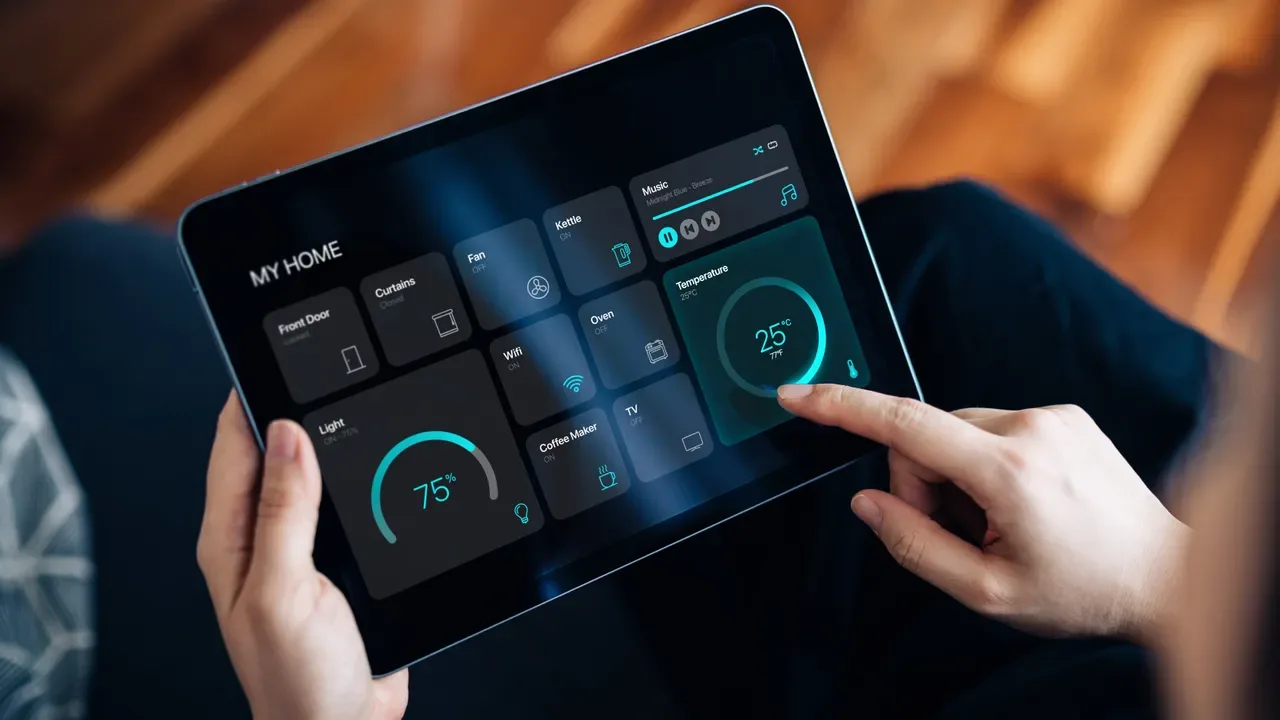
From Smart Homes to Agentic Homes: How AI Agents Will Control Connected Devices
Explore the evolution from smart homes to agentic homes, where AI agents proactively manage connected devices for a truly intelligent living experience.

Could AI Agents Replace Traditional Smart Home Apps?
Could AI Agents Replace Traditional Smart Home Apps?

What AI Agents Actually Do Inside a Media Buying Stack
Explore where AI agents genuinely help in media buying. Learn what runs unattended, what still needs a human, and how to set safe limits.
Continue exploring
Find AI agents by workflow
More in Partner Insights
Browse more articles in the Partner Insights category.
ai agents articles
Explore more guides and insights tagged ai agents.
smart home articles
Explore more guides and insights tagged smart home.
AI Agent Categories
Browse use-case pages for sales, productivity, coding, customer service, and more.
AI Agents Landscape
Explore the full directory map and compare agents by workflow and category.
Agent Skills
Find reusable skills, capabilities, and building blocks for AI agent workflows.