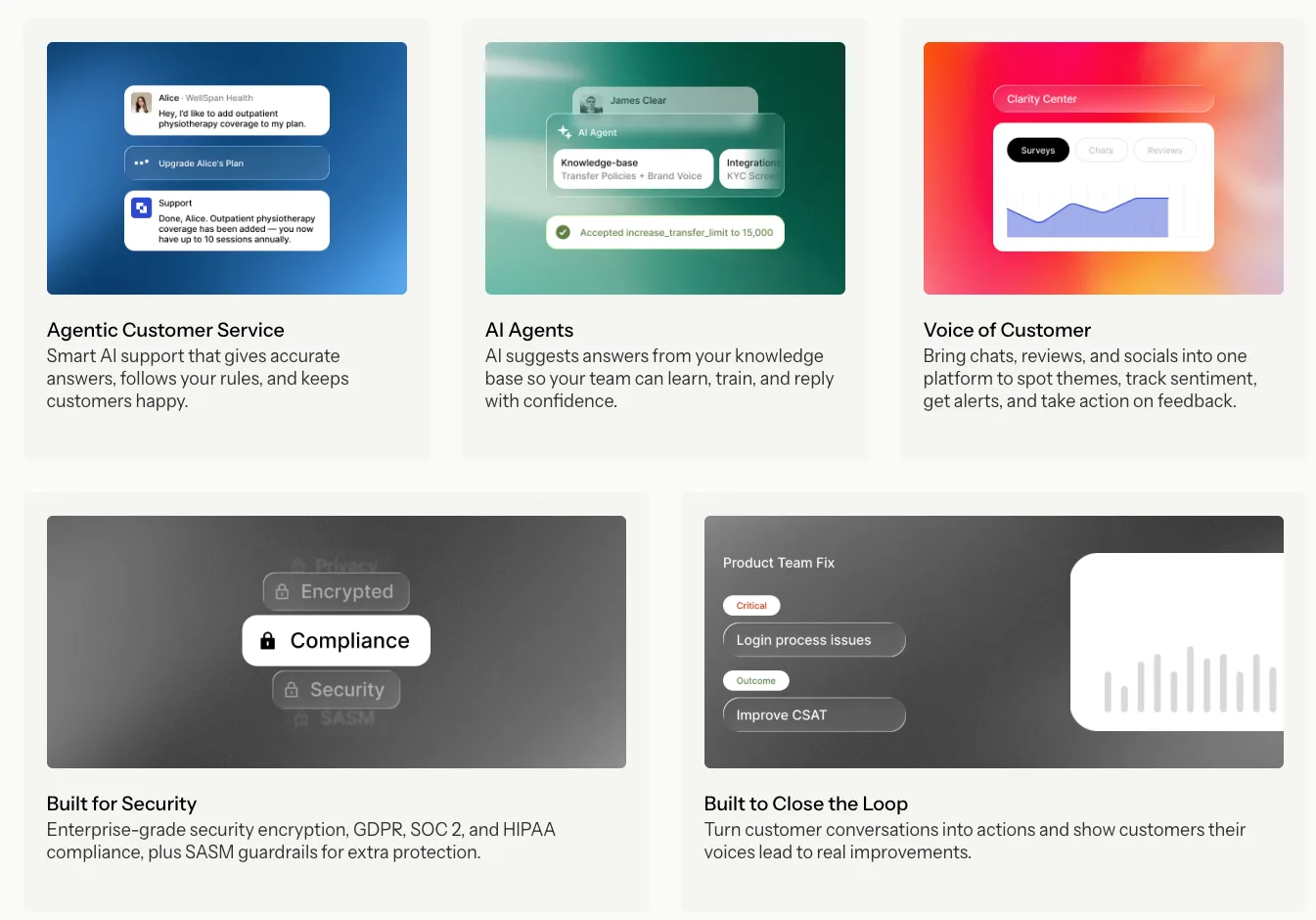
Clarity Launches AI Agent QA to Score Every Customer Service Conversation Automatically
The Challenge of Manual Quality Assurance
For most contact center managers, the traditional approach to quality assurance is a bottleneck. Manual QA relies on human supervisors listening to call recordings or reading chat transcripts to grade performance against a scorecard. Because this process is labor-intensive, most teams can only review 1% to 2% of total interactions. This creates a significant sampling bias; you are likely seeing only the best or worst cases, while the vast majority of daily interactions and the coaching opportunities they contain, remain invisible.
Beyond the time constraints, manual review is inherently subjective. Two supervisors may grade the same interaction differently, leading to inconsistent feedback for agents. As support volume scales, relying on manual review becomes unsustainable, often leading to a reactive culture where quality is only addressed after a major customer complaint. To truly understand the customer experience, organizations need a shift toward objective, comprehensive oversight.
What is AI Agent QA?
AI agent QA is the application of large language models (LLMs) and advanced natural language processing (NLP) to evaluate every single customer interaction against predefined rubric standards. Unlike manual sampling, which provides a snapshot of performance, AI-driven systems process 100% of tickets, calls, and emails. By automating the evaluation process, these tools ensure that every agent receives consistent, data-backed feedback on every interaction, regardless of volume.
This shift from sampling to 100% coverage is transformative. It allows managers to identify systemic issues such as a confusing policy or a broken knowledge base article before they impact thousands of customers. As the industry matures, understanding the evolution of AI in customer support and the top agents to watch becomes essential for leaders who want to balance human empathy with high-efficiency automation.
How Automated Conversation Scoring Works
Automated conversation scoring functions by treating every customer interaction as data. The process typically follows three core phases:
Transcription and Normalization: Voice calls are converted to text, and chat logs are normalized into a structured format that the AI can interpret.
Sentiment and Context Analysis: The AI evaluates the emotional tone of both the customer and the agent, identifying moments of frustration, resolution, or escalation.
Rubric Mapping: The system maps the interaction content against specific QA scorecard criteria—such as greeting compliance, empathy usage, policy adherence, and resolution accuracy.
How does AI-based QA differ from manual call monitoring?
While manual monitoring is limited by human capacity and prone to fatigue, AI-based QA offers 24/7 consistency. AI does not get tired, and it applies the exact same rubric logic to the ten-thousandth call as it did to the first. However, the human element remains vital. The most effective contact centers use AI to handle the heavy lifting of data collection and grading, while human supervisors focus on the high-level coaching and emotional support that agents require.
Can AI accurately grade customer service soft skills?
Modern LLMs are increasingly capable of nuanced sentiment analysis. They can detect empathy, professional tone, and de-escalation attempts with a high degree of correlation to human expert ratings. However, for highly subjective areas—such as “brand voice” or complex negotiation—it is standard practice to use AI to flag interactions for a human supervisor to review, ensuring that the final judgment remains grounded in human context.
Key Benefits of AI-Driven QA Implementation
Implementing an automated QA strategy offers more than just time savings; it changes the underlying culture of a contact center. By moving away from punitive measures and toward a coaching-focused quality management model, supervisors can spend their time developing talent rather than searching for errors.
Scaling agent performance monitoring through automation creates a continuous feedback loop where agents know exactly where they stand, not just once a month, but after every shift.
When you integrate these insights directly into agent training workflows, the benefits compound. Agents receive immediate, objective feedback, which reduces the anxiety often associated with QA reviews. Furthermore, when teams see that their performance is measured fairly and consistently across the board, morale often improves. This operational efficiency is a primary driver for ROI, as seen in the SoundHound survey where 96% of AI agent deployments meet ROI expectations, proving that when AI is implemented correctly, the financial and qualitative returns are significant.
Best Practices for Implementing AI QA
Successfully transitioning to an automated QA model requires careful preparation. As noted by the National Institute of Standards and Technology (NIST) AI Risk Management Framework, transparency and accountability are critical when deploying automated systems. To ensure your implementation is both effective and ethical, follow these steps:
Define Your Rubric Clearly: AI is only as good as the instructions it follows. Ensure your scorecard criteria are unambiguous and measurable.
Handle Edge Cases: Establish a process for when the AI is "unsure." If a sentiment score is borderline, it should be routed to a human for final validation.
Prioritize Privacy: Ensure your AI QA provider adheres to data protection standards (such as GDPR or SOC2). Anonymize sensitive customer data (PII) before it enters the analysis pipeline.
Human-in-the-Loop Validation: Regularly audit the AI’s grading against human-graded samples to ensure the model remains calibrated to your organization’s standards.
What are the privacy implications of automated conversation scoring?
Privacy is paramount in contact centers. Automated systems must be configured to redact PII automatically. Additionally, transparency with both agents and customers regarding how their data is being used for training and quality purposes is a legal and ethical requirement in most jurisdictions.
Conclusion
The transition to AI agent QA represents a fundamental shift in how organizations manage customer service quality. By automating the scoring process, you move from a fragmented, biased sampling approach to a comprehensive, data-driven strategy that empowers agents and delights customers. The key to success lies in using these tools to facilitate coaching, not just surveillance. Ready to scale your quality assurance? Audit your current manual QA process today to see how much time you could save with automated scoring.
Related Articles
View all articles
Top 5 AI Agents for Customer Service in 2026
Compare the best AI agents for customer service in 2026, including Zendesk, Fin, Sierra, Ada and Salesforce Agentforce, by features, pricing, channels and use cases.
How to Evaluate AI Voice Agents for Business
Learn how to choose the best AI voice agents for phone calls. Master integration, latency, and data privacy to automate your customer service effectively.
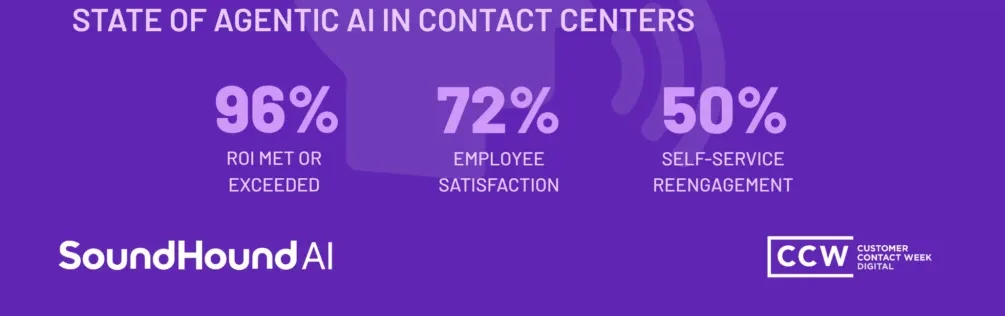
SoundHound Survey: 96% of AI Agent Deployments Meet ROI Expectations
Discover how AI agents deliver ROI. A SoundHound survey reveals 96% of deployments meet expectations, transforming customer service and contact centers.
Continue exploring
Find AI agents by workflow
More in Industry Insights
Browse more articles in the Industry Insights category.
AI articles
Explore more guides and insights tagged AI.
Customer Service articles
Explore more guides and insights tagged Customer Service.
AI Agent Categories
Browse use-case pages for sales, productivity, coding, customer service, and more.
AI Agents Landscape
Explore the full directory map and compare agents by workflow and category.
Agent Skills
Find reusable skills, capabilities, and building blocks for AI agent workflows.