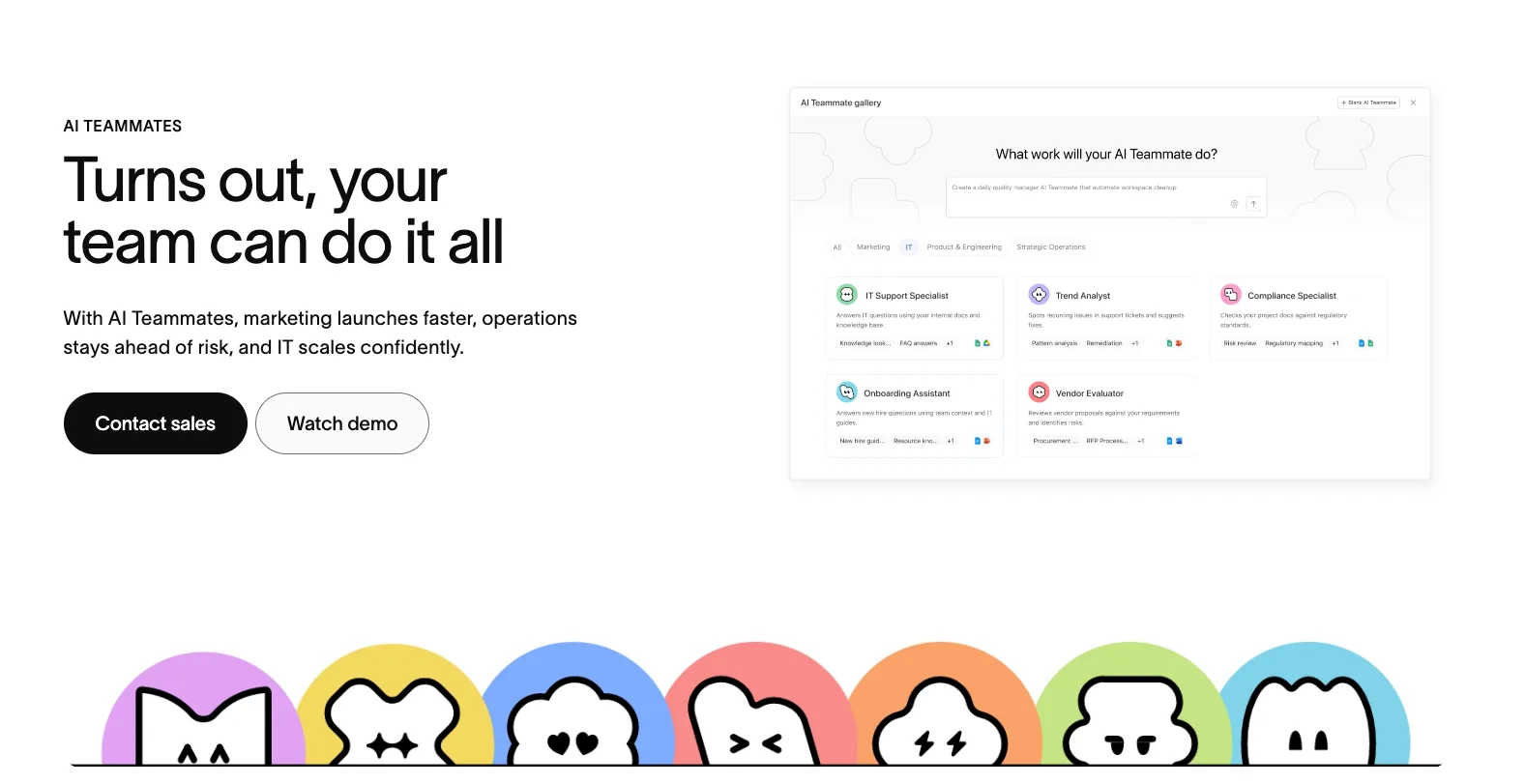
Asana Buys StackAI for No-Code Agents
The Announcement: Asana Acquires StackAI to Enhance No-Code AI Capabilities
In a significant move shaping the future of work management, Asana has announced its acquisition of StackAI, a prominent platform for building and deploying no-code AI agents. This strategic acquisition aims to empower Asana users with advanced AI capabilities, allowing them to automate complex workflows and drive greater efficiency without requiring technical expertise. The integration of StackAI's technology into Asana's platform is set to democratize AI development, making intelligent automation more accessible to teams of all sizes and technical backgrounds.
What is StackAI? Understanding No-Code AI Agents
StackAI is a pioneering platform that specializes in the creation of no-code AI agents. These agents are sophisticated AI systems that can be designed, trained, and deployed to perform a wide range of tasks, from data analysis and content generation to customer support and process automation. The core innovation of StackAI lies in its no-code interface, which allows individuals without programming knowledge to build powerful AI solutions. Users can leverage visual tools and intuitive workflows to define agent behaviors, connect them to various data sources and applications, and automate repetitive or complex operations.
This approach to AI development is crucial for several reasons:
Accessibility: It lowers the barrier to entry for AI adoption, enabling more people within an organization to contribute to automation initiatives.
Speed: Building AI agents without coding significantly accelerates the development and deployment cycle.
Flexibility: Users can quickly adapt and iterate on AI agent functionalities as business needs evolve.
The concept of no-code AI agents is part of a broader trend towards making artificial intelligence more accessible. As seen with initiatives like Google AI Agents going mainstream, the focus is shifting towards empowering end-users with powerful AI tools.
Key Capabilities of StackAI and Their Impact on Asana
StackAI brings a robust set of features that are highly complementary to Asana's existing project management and workflow automation tools. Its core strengths include:
Visual Agent Builder
StackAI's intuitive drag-and-drop interface allows users to design AI agents by visually mapping out their logic, decision-making processes, and interactions. This makes it easy to conceptualize and build agents for specific business tasks.
Pre-built AI Models and Integrations
The platform offers access to a variety of pre-trained AI models for common tasks, such as natural language processing, data classification, and sentiment analysis. Furthermore, StackAI provides seamless integrations with numerous third-party applications, enabling AI agents to interact with data and trigger actions across a user's existing tech stack.
Automated Workflow Orchestration
StackAI excels at orchestrating complex workflows by enabling AI agents to work together or with human users. This means that tasks can be broken down, assigned to the most appropriate AI agent or team member, and monitored through automated processes, ensuring that projects move forward efficiently.
Scalability and Deployment
The platform is designed to handle the demands of enterprise-level deployments, allowing for the creation and management of numerous AI agents that can scale with growing business needs. This ensures that as Asana users adopt AI agents, they can rely on them to handle increasing workloads.
Why Did Asana Acquire StackAI? Strategic Motivations
Asana's acquisition of StackAI is a strategic move designed to significantly enhance its platform and solidify its position in the competitive work management landscape. The primary motivations behind this acquisition include:
Enhancing Workflow Automation
Asana has long been a leader in workflow automation, but the integration of StackAI's no-code AI agents will elevate this capability to a new level. This acquisition allows Asana to offer more sophisticated and intelligent automation options, enabling users to automate not just simple tasks but also complex, multi-step processes that previously required manual intervention or custom development.
Democratizing AI for Non-Technical Users
A core tenet of Asana's vision is to empower all users, regardless of technical background, to manage their work effectively. By incorporating StackAI's no-code technology, Asana is making advanced AI capabilities accessible to a broader audience. This aligns with the growing trend of enabling citizen developers and putting powerful tools directly into the hands of those who understand the business needs best.
Accelerating Asana's AI Strategy
This acquisition represents a significant acceleration of Asana's artificial intelligence strategy. It provides Asana with a ready-made, advanced AI agent platform, allowing them to quickly integrate cutting-edge AI functionalities into their product roadmap. This move positions Asana to compete more effectively in a market where AI integration is becoming a key differentiator.
Expanding the AI Agent Platform Ecosystem
By acquiring StackAI, Asana is not just adding technology; it is also gaining expertise and a community around AI agent development. This can foster an ecosystem where users and partners can contribute to building and sharing AI agents, further enriching the Asana platform.
Implications for Asana Users: The Future of Workflow Automation
The Asana StackAI acquisition holds significant promise for existing and future Asana users. The direct implications point towards a more intelligent, automated, and efficient way of working:
Building AI Agents Without Coding
One of the most immediate benefits is the ability for Asana users to build and deploy their own AI agents directly within the Asana environment. This means that teams can create custom solutions for their unique challenges without needing to hire developers or rely on external tools. For example, a marketing team could build an AI agent to automatically summarize customer feedback from various sources and generate initial drafts for campaign reports.
Enhanced Project Management and Collaboration
AI agents can be integrated into Asana projects to automate routine tasks, provide intelligent insights, and streamline collaboration. This could include agents that automatically assign tasks based on pre-defined rules, flag potential project risks, or even generate meeting summaries. The goal is to free up human workers from mundane tasks, allowing them to focus on more strategic and creative work.
Hyper-Automation and Intelligent Workflows
The acquisition paves the way for what is often termed 'hyper-automation' – the application of multiple automation technologies, including AI, to automate as many business processes as possible. Asana users can expect to see more sophisticated, end-to-end automated workflows that connect different departments and systems, leading to significant gains in operational efficiency.
What does Asana buying StackAI mean? It means a powerful new era of intelligent automation is dawning for Asana users, making complex AI capabilities accessible to everyone.
What are no-code AI agents?
No-code AI agents are intelligent software programs that can be created and managed by users without any programming knowledge. They leverage visual interfaces and pre-built components to automate tasks, analyze data, and make decisions, effectively acting as digital assistants for specific business functions.
The Rise of No-Code AI Agents and Asana's Role
The acquisition of StackAI by Asana is a clear indicator of a larger trend: the democratization of AI development. No-code and low-code platforms are rapidly transforming how businesses adopt and leverage artificial intelligence. These platforms empower individuals who may not have a background in computer science to build sophisticated AI applications, leading to faster innovation and broader adoption.
This shift is critical for several reasons:
Bridging the Skills Gap: It helps address the shortage of skilled AI developers by enabling a wider range of employees to build and implement AI solutions.
Faster Time-to-Value: Businesses can realize the benefits of AI much more quickly, as development cycles are significantly shortened.
Increased Innovation: By empowering more people to experiment with AI, organizations can unlock new use cases and innovative applications.
Asana's move positions it at the forefront of this movement within the work management space, providing a robust and accessible platform for teams to harness the power of AI agents.
The Future of Workflows with Asana and StackAI
The integration of StackAI's technology into Asana signals a profound shift in how businesses will manage their operations and projects. The future of workflows with Asana and StackAI points towards a highly intelligent, automated, and adaptive work environment. Imagine AI agents that can:
Proactively identify bottlenecks in project timelines and suggest solutions.
Automate the creation of project documentation based on real-time progress.
Personalize team workflows based on individual strengths and task requirements.
Continuously monitor and optimize business processes for maximum efficiency.
This vision of hyper-automation, fueled by accessible AI agent development, promises to redefine productivity and operational excellence. It moves beyond simple task automation to intelligent process orchestration, where AI agents become integral partners in achieving business objectives. Asana's commitment to this future is evident in this strategic acquisition.
What to Watch For Next
Following the acquisition of StackAI by Asana, users can anticipate several developments. The most immediate will likely be the gradual integration of StackAI’s no-code AI agent building capabilities into the Asana platform itself. This could manifest as new features within Asana’s interface that allow users to design, train, and deploy custom AI agents directly for their projects and workflows.
Look for:
New templates and pre-built AI agents for common business use cases.
Deeper integrations with other popular business applications, allowing AI agents to interact more seamlessly across a user's tech stack.
Enhanced analytics and reporting features that provide insights into the performance and impact of AI agents.
Potential updates to Asana's pricing and packaging to reflect these new advanced AI capabilities.
This acquisition represents a significant step forward for Asana, promising to deliver a more powerful, intelligent, and user-friendly platform for work management. The future of workflow automation is here, and it's more accessible than ever.
Related Articles
View all articles
Best AI Workflow Automation Tools in 2026
Compare the best AI workflow automation tools in 2026 for no-code workflows, AI agents, SaaS integrations, creative automation, self-hosting, and enterprise use.
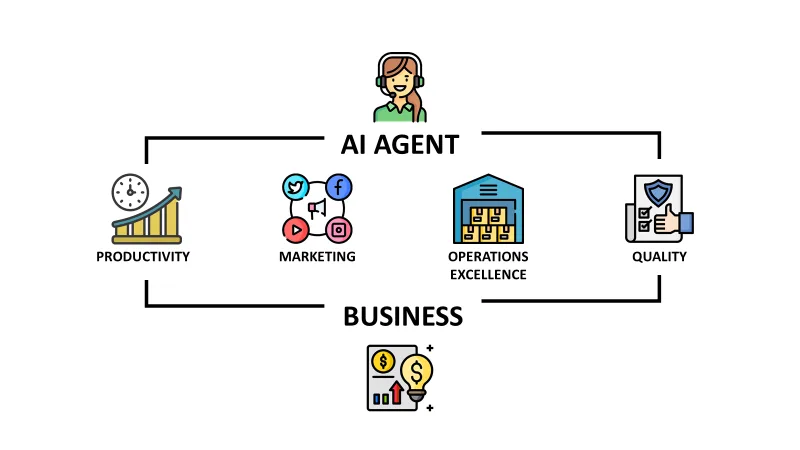
How to Make AI Agents Work for Your Business: A Strategic Guide
Learn how to effectively integrate AI agents into your business operations. Discover strategies for deployment, workflow automation, and scaling your AI capacity.
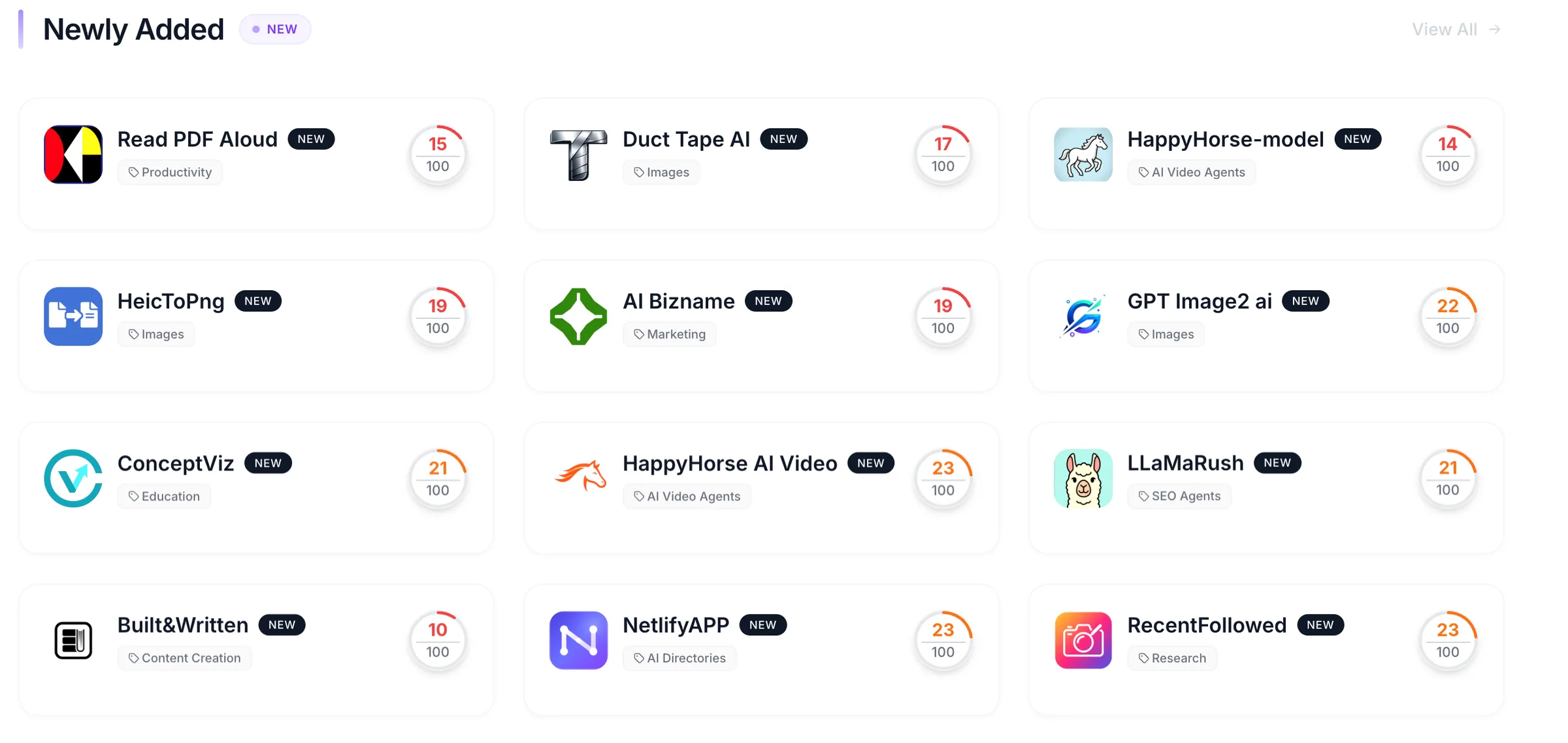
We Analyzed 2,000 AI Agents. Here’s What We Found
We examined 2,000 AI agents to identify common patterns, strengths, and limitations. Discover the reality of autonomous agent performance today.
Continue exploring
Find AI agents by workflow
More in Industry Insights
Browse more articles in the Industry Insights category.
Asana articles
Explore more guides and insights tagged Asana.
StackAI articles
Explore more guides and insights tagged StackAI.
AI Agent Categories
Browse use-case pages for sales, productivity, coding, customer service, and more.
AI Agents Landscape
Explore the full directory map and compare agents by workflow and category.
Agent Skills
Find reusable skills, capabilities, and building blocks for AI agent workflows.