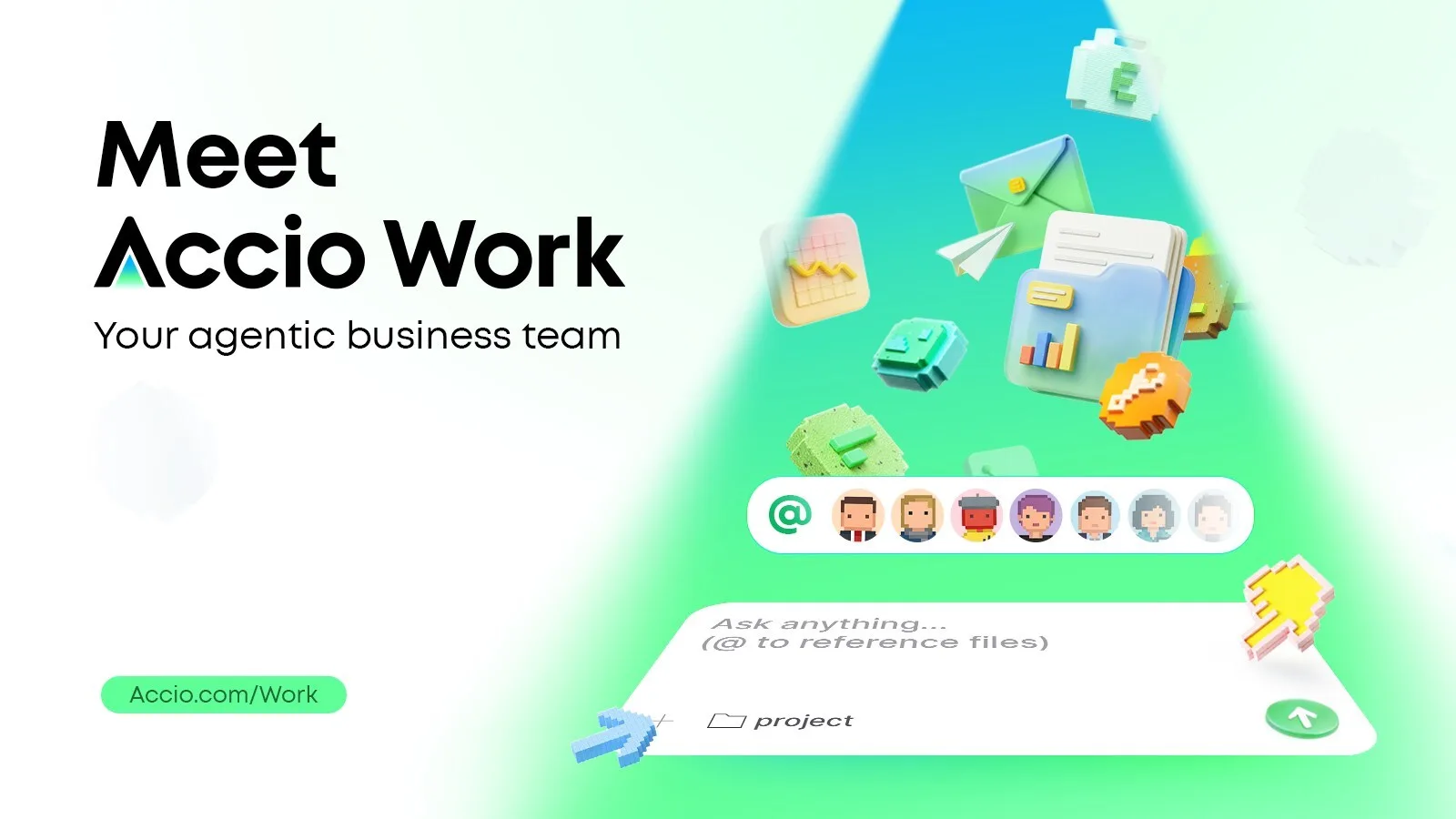
Alibaba's Accio Work Now Powers 230,000 Online Stores Globally
Introduction to Accio Work
In the rapidly evolving landscape of international trade, the ability to manage complex storefronts with agility is a primary differentiator for success. Alibaba Accio Work has emerged as a significant player in this space, providing a robust infrastructure that now powers over 230,000 online stores worldwide. This platform serves small to medium-sized business owners who seek to streamline their operations through advanced technology. By integrating intelligent software into the daily management of digital storefronts, Accio Work helps merchants transition from labor-intensive manual processes to automated, data-driven workflows. This article explores how this technology functions, why it is scaling rapidly, and what considerations merchants should keep in mind before adopting AI-led operations.
Core Functionalities for Retailers
At its core, Accio Work is designed to act as a digital backbone for e-commerce. Retailers often struggle with the fragmentation of tasks ranging from inventory synchronization and supply chain management to customer service and marketing automation. The platform centralizes these functions, allowing store owners to handle high-volume transactions without a proportional increase in administrative overhead.
The technical capabilities of the platform focus on efficiency. By utilizing machine learning algorithms, the system can predict inventory needs, optimize product listings for search visibility, and manage cross-border logistics. For those who were early adopters of the technology, the initial introduction of Alibaba Accio Work provided a first look at how these tools could drastically reduce the time spent on repetitive back-office maintenance. Today, these capabilities have matured, allowing for more nuanced decision-making regarding pricing strategies and regional market expansion.
The Evolution of Alibaba's AI Strategy
The rise of Accio Work is not an isolated development but rather a symptom of a broader strategic shift. As the global retail market moves toward the 'Agent Economy,' where AI agents perform autonomous tasks on behalf of human users, Alibaba has been aggressive in aligning its resources. This strategic consolidation is detailed further in their roadmap for how Alibaba consolidates AI divisions to power the agent economy, creating a more cohesive ecosystem for third-party sellers. By merging disparate AI research and development efforts, Alibaba ensures that the tools available to small merchants are backed by the same high-level computational power used by enterprise-grade retailers. This democratization of technology is lowering the barrier to entry, allowing independent sellers to compete on a global stage with significantly fewer resources than were required a decade ago.
Adopting AI Tools for Your Online Store
Transitioning to an AI-managed storefront is a significant step for any business. It requires moving away from the 'do it all yourself' mentality toward a model of 'managed oversight.' If you are considering integrating these tools, follow this checklist to ensure a smooth transition:
Audit Current Pain Points: Identify which areas of your store management—such as inventory tracking, customer inquiries, or content creation—consume the most time.
Data Readiness: AI tools are only as effective as the data they process. Ensure your product catalogs and customer databases are clean and organized.
Pilot Testing: Start by automating low-risk tasks, such as automated email responses or basic inventory alerts, before moving to more complex algorithmic pricing.
Performance Monitoring: Establish clear KPIs to track how the automation impacts your bottom line, paying close attention to conversion rates and operational costs.
By following these steps, merchants can harness e-commerce AI tools effectively without losing the personal touch that defines their brand identity. For further technical specifications, refer to the Web Accessibility Initiative standards to ensure that your AI-generated store interface remains inclusive and usable for all customers.
Tradeoffs and Considerations
While the benefits of Alibaba Accio Work are clear, it is essential to maintain a balanced perspective. Automation efficiency is a powerful tool, but it is not a substitute for human intuition. Retail management requires an understanding of cultural nuances, brand voice, and unexpected market shifts—elements that AI may struggle to interpret correctly without human intervention.
One major consideration is the 'black box' problem: when an AI makes a decision—such as adjusting a product price or filtering a customer query—it is not always transparent why that decision was made. Merchants must ensure they retain the ability to override automated systems. Successful scaling requires a hybrid approach where the AI handles the heavy lifting of data processing, while the human operator focuses on strategy, brand positioning, and high-level customer relationship management.
Conclusion
The impact of AI infrastructure on the future of small and medium-sized online businesses cannot be overstated. By providing the tools to manage 230,000 stores at scale, platforms like Accio Work are fundamentally changing the economics of digital retail. Whether you are a solo entrepreneur or managing a growing team, the shift toward AI-led operations is likely to become a standard requirement for competitiveness. Are you ready to optimize your storefront? Explore our latest resources on AI-driven retail management to see if these tools align with your business growth strategy.
Related Articles
View all articles
Alibaba Launches Accio Work
Explore Alibaba's new Accio Work platform. Discover how this enterprise tool streamlines workflows, boosts collaboration, and integrates with global business.
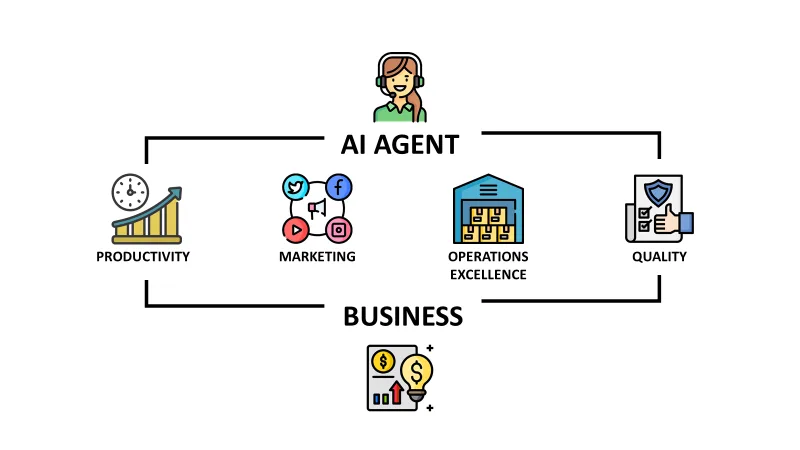
How to Make AI Agents Work for Your Business: A Strategic Guide
Learn how to effectively integrate AI agents into your business operations. Discover strategies for deployment, workflow automation, and scaling your AI capacity.
Best AI Agents for Small Businesses in 2026: 10 Tools Compared
Discover top AI agents revolutionizing small businesses in 2026. Compare 10 essential tools to boost productivity, automate tasks, and drive growth.
Continue exploring
Find AI agents by workflow
More in Industry Insights
Browse more articles in the Industry Insights category.
E-commerce articles
Explore more guides and insights tagged E-commerce.
Alibaba articles
Explore more guides and insights tagged Alibaba.
AI Agent Categories
Browse use-case pages for sales, productivity, coding, customer service, and more.
AI Agents Landscape
Explore the full directory map and compare agents by workflow and category.
Agent Skills
Find reusable skills, capabilities, and building blocks for AI agent workflows.