AI Agents vs RPA: Key Trends Shaping Enterprise in 2026
As enterprises move deeper into 2026, automation is no longer defined solely by scripts and bots. The rise of AI agents, autonomous, goal-oriented systems powered by generative AI, is redefining how organizations design digital work, particularly as demand accelerates for advanced AI software development solutions that embed intelligence directly into core business systems.
While Robotic Process Automation (RPA) remains foundational, AI agents introduce reasoning, memory, planning, and contextual decision-making into enterprise workflows. Leaders investing in AI-driven software development and scalable AI software development services are no longer choosing between tools; they are redesigning how work itself is orchestrated across platforms, teams, and processes.
Understanding the distinction between deterministic automation and agentic systems has become a strategic priority.
Two Automation Models in the Modern Enterprise
What RPA Still Does Best
RPA continues to excel at structured, rules-based execution. It mimics human interactions with software systems: logging into applications, transferring data, validating fields, and triggering predefined workflows.
In 2026, RPA remains deeply embedded in:
Finance operations
HR administration
Procurement workflows
Compliance-heavy environments
Its strengths remain clear:
Predictable, rule-based outcomes
Transparent audit trails
Stability in well-defined processes
Low operational risk
However, RPA struggles when processes involve ambiguity, unstructured inputs, or judgment-based decisions.
Where AI Agents Change the Equation
AI agents go beyond content generation. They can:
Interpret context across systems
Plan multi-step actions toward a defined goal
Use tools (APIs, databases, applications) autonomously
Adapt to changing inputs in real time
Learn from interaction history
Instead of executing a single predefined task, an AI agent can manage an outcome.
For example:
Analyze an incoming customer issue
Determine urgency and intent
Retrieve relevant account data
Draft a resolution
Trigger system updates
Escalate only when necessary
This represents a shift from task automation to workflow orchestration.
The trade-off? Reduced determinism. Agent outputs are probabilistic and require validation frameworks, monitoring systems, and governance controls.
Key Trends Defining 2026
1. Agent-Orchestrated Hyperautomation
Hyperautomation is evolving from “AI + RPA” to agent-led orchestration.
In modern architectures:
AI agents interpret goals and make decisions
RPA bots execute structured system-level actions
APIs and microservices provide integration layers
Rather than replacing RPA, AI agents coordinate it.
This hybrid model enables true end-to-end automation, especially in customer service, claims processing, onboarding, and IT operations.
2. Human-in-the-Loop Becomes Built-In, Not Bolted-On
Fully autonomous enterprise AI remains rare in 2026. Instead, organizations are embedding human oversight into agent workflows:
Approval checkpoints before high-impact actions
Confidence scoring thresholds
Exception-based escalation
Continuous feedback loops
This balances speed with accountability — particularly in regulated sectors like finance, healthcare, and government.
3. Governance Expands From Scripts to Agent Behavior
RPA governance centered on:
Version control
Process documentation
Access permissions
AI agent governance now requires:
Model selection and evaluation
Data provenance tracking
Prompt management
Bias monitoring
Drift detection
Action boundaries and tool access control
Enterprises are establishing AI oversight committees and formal review frameworks to manage these complexities.
4. From Automation Teams to Agent Engineering Teams
The talent model is diverging.
RPA relies on:
Process analysts
Low-code developers
Workflow architects
AI agents require:
Data engineers
Model evaluators
Prompt engineers
Security and risk specialists
AI operations (AIOps) professionals
By 2026, forward-looking organizations are separating “automation” into distinct specializations rather than expecting one team to manage both paradigms.
Architectural Transformation in 2026
Enterprise architecture is evolving from isolated automation bots to layered ecosystems. At the foundation are large language models and machine learning systems. Above them sit agent frameworks responsible for reasoning, memory, and planning. Beneath them are tools such as APIs, RPA bots, databases, and enterprise applications. Surrounding everything is a governance layer that monitors, constrains, and evaluates behavior.
This layered approach allows organizations to scale automation strategically rather than department by department. Reusable agent frameworks reduce duplication and enable cross-functional deployment. Instead of building separate automations for each workflow, enterprises design centralized orchestration systems capable of operating across domains.
Integration maturity has become a decisive factor. Organizations with modern, API-accessible systems deploy agents more effectively. Those with fragmented legacy environments often continue to rely heavily on RPA as an integration workaround. In 2026, automation maturity increasingly mirrors system modernization efforts.
Risks and Limitations to Watch
Model Drift
AI agent behavior can shift over time due to changes in data, prompts, or usage patterns. Without continuous monitoring and recalibration, performance can degrade subtly — introducing operational risk.
Explainability Gaps
Unlike rule-based RPA scripts, agent decisions may lack full transparency. Tracing why a specific action was taken can be difficult, complicating compliance and audit requirements.
Operational Overhead
AI agents require:
Ongoing evaluation
Monitoring systems
Guardrails and sandboxing
Incident response processes
Without proper planning, the governance burden can offset efficiency gains.
Conclusion: Designing the Automation Ecosystem
By 2026, the enterprise question is no longer whether to choose RPA or generative AI. The strategic challenge lies in designing a system where AI agents, deterministic automation, and human oversight function cohesively.
RPA remains the backbone of reliable execution in structured environments. AI agents expand automation into areas defined by ambiguity, interpretation, and adaptive decision-making. Governance frameworks provide stability. Human supervision preserves accountability.
The most resilient organizations treat automation as an evolving ecosystem rather than a single technology investment. They design for orchestration, oversight, and adaptability. In doing so, they move beyond automation as a cost-saving tool and toward automation as a structural redesign of enterprise work itself.
Related Articles
View all articles
The 5 Best AI Agents and Tools for Productivity in 2026
Discover the top 5 AI agents and tools revolutionizing productivity in 2026. Learn how autonomous AI agents can automate tasks and boost your workflow.
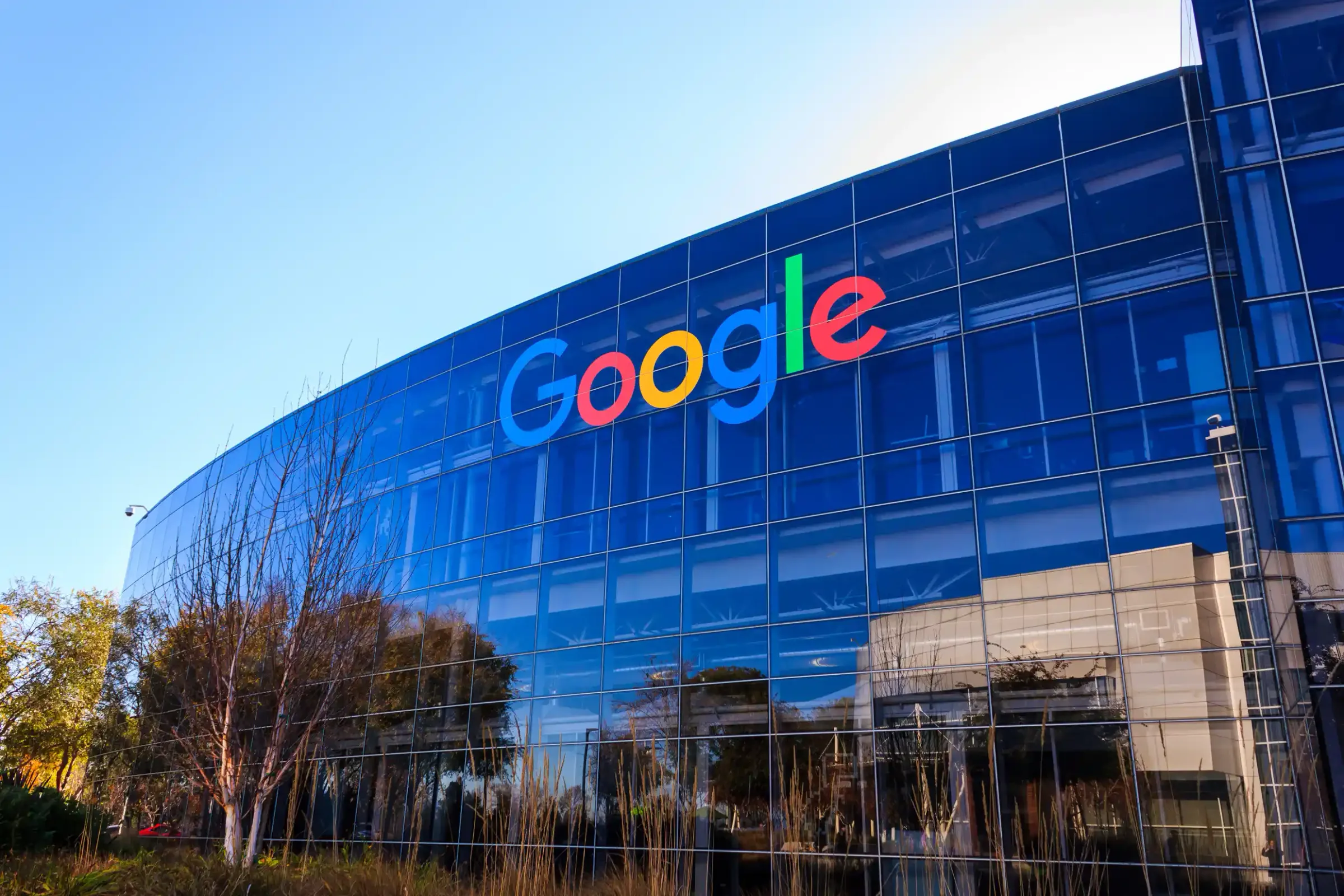
Google AI Agents Are Going Mainstream: What It Means for You
Discover how Google is bringing AI agents into everyday use, their impact on daily tasks, and the future of intelligent automation.

What AI Agents Actually Do Inside a Media Buying Stack
Explore where AI agents genuinely help in media buying. Learn what runs unattended, what still needs a human, and how to set safe limits.
Continue exploring
Find AI agents by workflow
More in Partner Insights
Browse more articles in the Partner Insights category.
ai agents articles
Explore more guides and insights tagged ai agents.
rpa articles
Explore more guides and insights tagged rpa.
AI Agent Categories
Browse use-case pages for sales, productivity, coding, customer service, and more.
AI Agents Landscape
Explore the full directory map and compare agents by workflow and category.
Agent Skills
Find reusable skills, capabilities, and building blocks for AI agent workflows.