What is an AI SDR and How Can It Transform Your Sales Process?
What is an AI SDR?
In today’s fast-paced sales environment, efficiency and effectiveness are crucial for companies to stay ahead of the competition. One technology that has gained attention for revolutionizing sales processes is the AI SDR (Artificial Intelligence Sales Development Representative). But what exactly is an AI SDR, and how does it work?
Breaking Down the Role of an AI SDR
Traditionally, an SDR (Sales Development Representative) is responsible for outbound prospecting, lead qualification, and scheduling meetings for sales teams. These reps spend significant time researching potential clients, sending emails, making phone calls, and following up to secure the interest of prospects.
An AI SDR automates these repetitive and labor-intensive tasks using artificial intelligence. AI SDRs are designed to mimic human SDRs but work more efficiently and at a greater scale. By utilizing machine learning, natural language processing (NLP), and automation, AI SDRs can handle lead engagement 24/7, personalize outreach, and manage follow-ups seamlessly.
Core Functions of an AI SDR
AI SDRs take over several tasks traditionally handled by human SDRs, including:
Automated Outreach: AI SDRs can send personalized emails and messages tailored to the recipient, leveraging data on the lead’s behavior and preferences.
Lead Qualification: AI-powered systems analyze data points from interactions and determine if a lead is a good fit for the business. This can include analyzing responses, website activity, and engagement metrics.
Follow-Up Automation: These AI agents ensure that no lead falls through the cracks by scheduling timely follow-ups and adjusting based on the lead's behavior.
Data-Driven Insights: AI SDRs generate insights from data to optimize messaging and improve the chances of conversion.
Why Are Companies Adopting AI SDRs?
Companies are increasingly adopting AI SDRs for several compelling reasons:
Increased Efficiency: By automating repetitive tasks, human SDRs can focus on higher-value activities, such as building relationships and closing deals.
Scalability: AI SDRs can manage a large volume of leads simultaneously, making it easier to scale outreach efforts without increasing headcount.
24/7 Operation: AI SDRs work around the clock, meaning potential customers receive timely responses, improving engagement and conversion rates.
Cost Savings: Companies can reduce costs associated with hiring and training large sales teams while still maintaining high productivity levels.
How Does an AI SDR Work?
AI SDRs use algorithms and data-driven strategies to engage with potential customers. Here's a simplified workflow of how an AI SDR operates:
Data Collection: AI SDRs gather data from multiple sources, including CRM systems, social media platforms, and website interactions.
Personalization: Using this data, the AI creates tailored messages and outreach strategies. NLP allows AI SDRs to engage with prospects naturally and intelligently.
Engagement: The AI reaches out via email, chat, or other communication channels, responding in real-time and adjusting messaging based on the conversation.
Qualifying Leads: Based on interaction outcomes and criteria, the AI SDR assigns a lead score and qualifies or disqualifies the prospect.
Handoff: Once a lead is sufficiently engaged and qualified, the AI SDR schedules a meeting or hands the lead off to a human sales representative for further nurturing.
Benefits and Limitations of AI SDRs
While AI SDRs offer numerous benefits, there are also some limitations to consider:
Benefits: Enhanced productivity, consistent messaging, data-driven optimization, ability to handle large volumes of leads, and reduced manual errors.
Limitations: AI SDRs may lack the emotional intelligence of human reps, struggle with nuanced conversations, or require regular monitoring to ensure proper functioning.
Conclusion
An AI SDR can be a game-changer for companies looking to scale their sales efforts efficiently. By automating time-consuming tasks like lead qualification and follow-ups, AI SDRs free up human reps to focus on strategic, relationship-building activities. As technology advances, we can expect AI SDRs to become even more sophisticated, driving greater productivity and results in the sales world.
FAQs About AI SDRs
Can an AI SDR replace human sales reps?
AI SDRs are designed to complement human sales teams, not replace them. They handle repetitive tasks, allowing human reps to engage in high-value interactions.What types of companies benefit most from AI SDRs?
Companies with high-volume lead generation needs, tech startups, and firms aiming to scale sales quickly benefit the most.How customizable are AI SDRs?
Most AI SDR solutions offer customization options for messaging, follow-up cadences, and integration with existing CRM systems.
Related Articles
View all articles
The Best AI Agents for Sales Teams in 2026
Discover top AI agents for sales in 2026. Enhance prospecting, outreach, and CRM with AI sales tools to boost team productivity and revenue.

Aligned Raises $60M as Sales Rooms Evolve into AI Deal Workspaces
Discover how Aligned's $60M funding is transforming sales rooms into AI deal workspaces, boosting deal intelligence and sales forecasting.
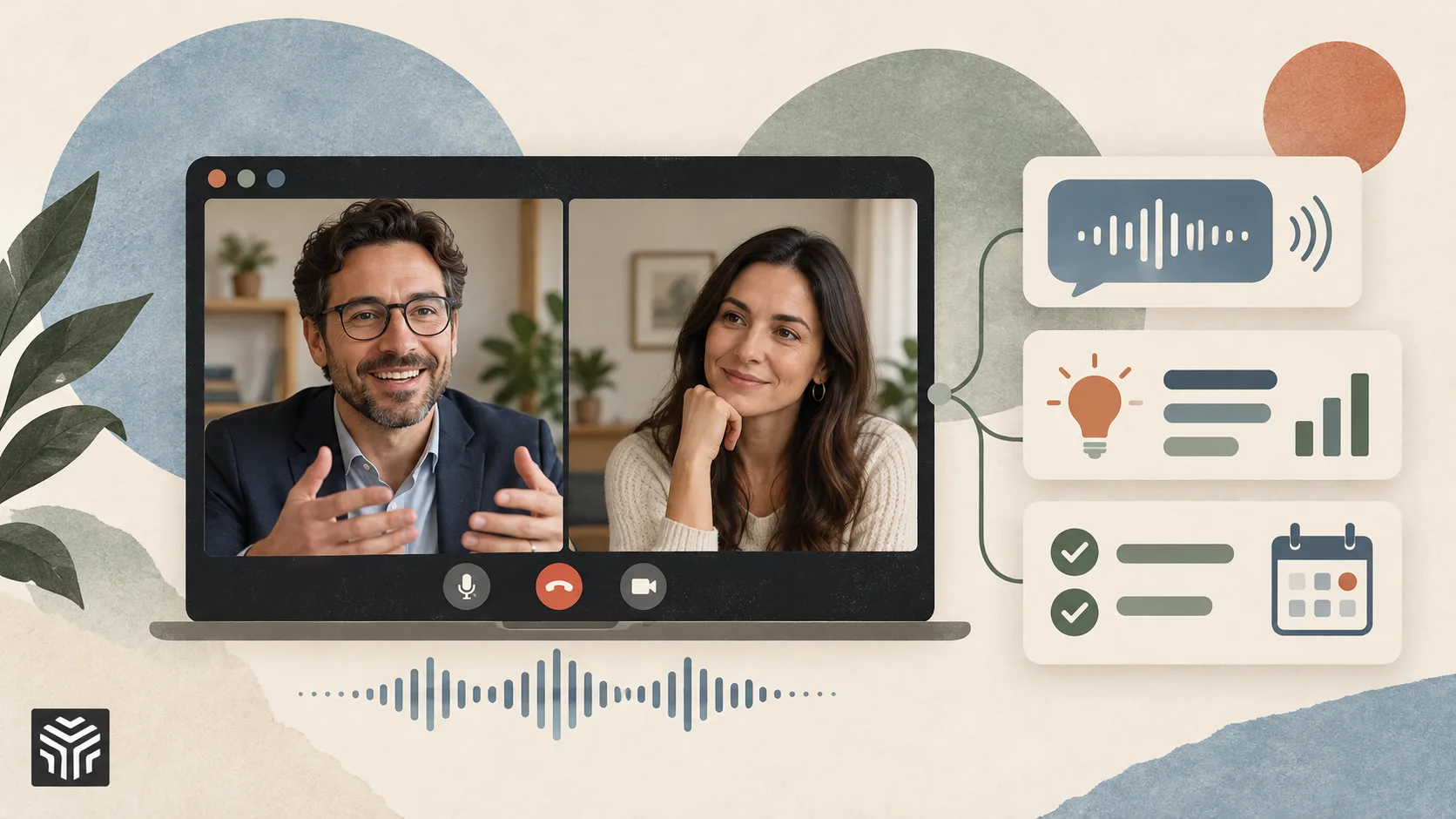
7 Best AI Sales Assistants for Live Sales Calls
Compare 7 AI sales assistants for live call guidance, objection handling, CRM sync, and post-call analysis. See which tools support reps during the conversation.
Continue exploring
Find AI agents by workflow
More in Partner Insights
Browse more articles in the Partner Insights category.
ai sdr articles
Explore more guides and insights tagged ai sdr.
sales articles
Explore more guides and insights tagged sales.
AI Agent Categories
Browse use-case pages for sales, productivity, coding, customer service, and more.
AI Agents Landscape
Explore the full directory map and compare agents by workflow and category.
Agent Skills
Find reusable skills, capabilities, and building blocks for AI agent workflows.