What is an AI BDR and How It Can Supercharge Your Business Development
What is an AI BDR?
In the evolving world of sales and business development, automation and artificial intelligence (AI) are becoming essential. One such innovation reshaping business development is the AI BDR (Artificial Intelligence Business Development Representative). AI BDRs are transforming how companies generate leads, engage prospects, and convert them into valuable opportunities.
Understanding the Role of a Traditional BDR
A Business Development Representative (BDR) typically focuses on identifying new sales opportunities, researching potential clients, and initiating conversations to drive qualified leads into the sales pipeline. The role demands a significant amount of time spent on prospecting, outreach, and follow-up.
An AI BDR automates and enhances these responsibilities, using AI-powered tools to analyze data, personalize interactions, and engage leads more efficiently. By using machine learning, natural language processing (NLP), and data analytics, AI BDRs help sales teams work smarter, not harder.
Core Functions of an AI BDR
AI BDRs leverage cutting-edge technology to perform several critical tasks, including:
Prospecting and Lead Generation: AI BDRs analyze data from various sources, such as social media, websites, and CRM systems, to identify and target high-potential leads.
Personalized Outreach: Instead of sending generic messages, AI BDRs use AI algorithms to personalize emails, chat messages, and social interactions based on the prospect's preferences and behavior.
Follow-Up Automation: AI BDRs ensure leads are continuously nurtured through well-timed follow-ups, adjusting the messaging based on engagement and interest.
Lead Scoring and Qualification: By analyzing data points from interactions, AI BDRs can score leads to prioritize the most promising prospects for the sales team.
Data Analysis and Insights: AI BDRs generate valuable insights about prospects, helping human sales teams refine their strategies and close deals more effectively.
How AI BDRs Work
AI BDRs use a combination of technologies to automate and improve the business development process:
Data Collection and Analysis: AI BDRs gather and analyze vast amounts of data from both internal sources (like CRMs) and external platforms (such as LinkedIn or industry databases). This data is used to identify potential leads and understand their needs.
Behavioral Insights: AI tools monitor and interpret a lead’s engagement patterns, such as email opens, content downloads, or website visits. Based on these insights, AI BDRs adjust their outreach strategies.
Automated Engagement: Using NLP, AI BDRs craft personalized messages that sound human-like. This increases the chance of engaging leads and capturing their interest.
Continuous Learning: AI BDRs improve over time by learning from past interactions, tweaking strategies, and refining their messaging to boost success rates.
The Benefits of Using an AI BDR
Companies that adopt AI BDR technology can experience significant advantages:
Scalability: AI BDRs can engage with hundreds or even thousands of leads simultaneously, making it easier for companies to scale their business development efforts.
Efficiency and Speed: AI BDRs work 24/7, ensuring no opportunities are missed and that leads receive timely follow-ups.
Consistent Engagement: AI ensures a consistent and personalized approach to outreach, which can be difficult for human reps to maintain at scale.
Improved Lead Quality: With advanced lead scoring and qualification, AI BDRs provide sales teams with higher-quality leads, reducing the time spent on cold or low-value prospects.
Data-Driven Decision Making: By analyzing large datasets, AI BDRs provide actionable insights, helping businesses make informed decisions about their sales strategies.
Limitations and Considerations
While AI BDRs offer impressive capabilities, there are some limitations:
Lack of Human Emotion: AI BDRs may struggle with conversations requiring empathy, emotional intelligence, or complex decision-making.
Potential for Over-Automation: Over-reliance on AI can make communication feel impersonal if not carefully managed.
Ongoing Maintenance: AI systems require monitoring, regular updates, and fine-tuning to remain effective.
Use Cases for AI BDRs
AI BDRs are particularly beneficial for:
Tech Startups: Companies with limited sales resources can use AI BDRs to scale their outreach efforts without significantly increasing costs.
Enterprise Sales Teams: Large teams benefit from AI BDRs by automating routine tasks, freeing up senior sales staff to focus on closing deals.
B2B Companies: Businesses that rely on long sales cycles and personalized engagement can use AI BDRs to nurture leads more effectively.
How to Implement an AI BDR Solution
To successfully implement AI BDR technology, companies should:
Integrate with Existing Tools: Ensure that the AI BDR integrates seamlessly with your CRM and marketing automation platforms.
Customize Messaging: Tailor the AI’s outreach templates to align with your brand voice and value propositions.
Monitor and Optimize: Continuously monitor AI interactions, gather feedback, and optimize the system to improve performance.
Conclusion
AI BDRs are revolutionizing the way businesses approach lead generation and prospecting. By automating repetitive tasks, delivering personalized engagement, and providing valuable insights, AI BDRs enable sales teams to focus on what matters most: closing deals and building meaningful relationships. As AI technology continues to evolve, AI BDRs are set to become an integral part of the modern sales toolkit.
FAQs About AI BDRs
Can AI BDRs replace human business development reps?
No, AI BDRs are meant to assist and augment human reps by handling repetitive tasks, allowing human BDRs to focus on complex interactions.What industries can benefit from AI BDRs?
Industries like tech, finance, and B2B services, where efficient lead generation and qualification are critical, see the most benefits from AI BDRs.How quickly can companies see results from AI BDRs?
Results vary, but many companies report increased productivity and improved lead quality within a few weeks to a few months of implementation.
Related Articles
View all articles
Top AI Agent Development Companies for Service Businesses in 2026
Compare top AI agent development companies for service businesses in 2026, including firms building support, scheduling, voice, sales, and workflow agents.
Zero Human Companies: How Autonomous Business Models Work
Explore the concept of zero human companies, where AI and automation replace traditional staffing to create scalable, fully autonomous business operations.
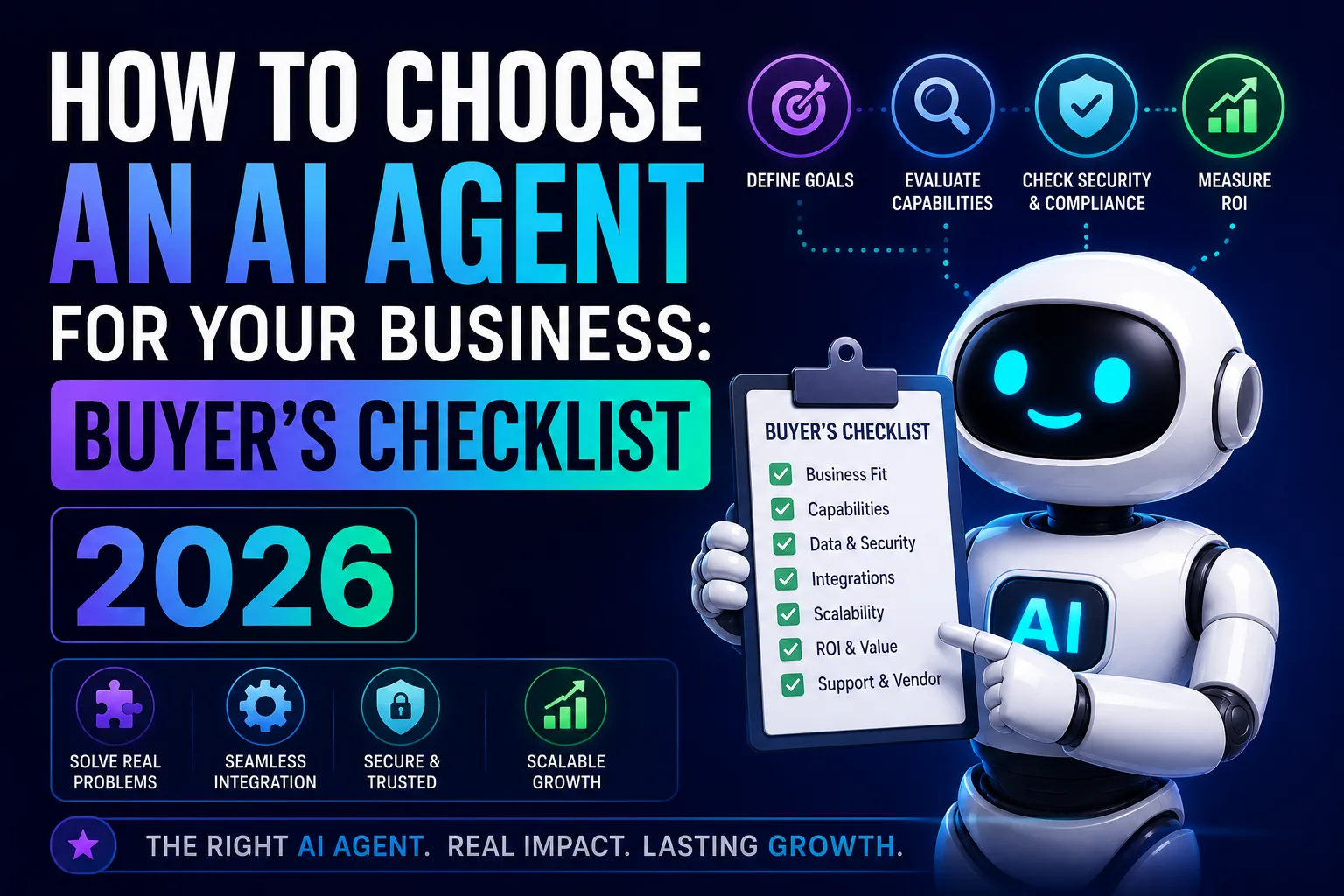
How to Choose an AI Agent for Your Business: Buyer’s Checklist 2026
Navigate AI agent selection for your business with our comprehensive checklist. Discover key criteria, essential features, and how to find the right fit.
Continue exploring
Find AI agents by workflow
AI Agent Categories
Browse use-case pages for sales, productivity, coding, customer service, and more.
AI Agents Landscape
Explore the full directory map and compare agents by workflow and category.
Agent Skills
Find reusable skills, capabilities, and building blocks for AI agent workflows.
Free AI Agents
Discover free AI agents and tools for testing agentic workflows without upfront cost.
Open Source AI Agents
Compare open-source agents, frameworks, and developer-friendly agent projects.
AI Agents News
Read daily source-linked briefs on launches, funding, enterprise adoption, and coding agents.