What is an AI Agent?
In the evolving landscape of artificial intelligence (AI), the term "AI agent" has gained significant attention. But what exactly is an AI agent, and why is it becoming such a pivotal concept in today’s tech-driven world? This guide will explain what an AI agent is, how it works, and why it matters for businesses and individuals alike.
Defining an AI Agent
An AI agent is a software program designed to perform tasks or make decisions autonomously, often simulating human-like reasoning and interaction. These agents can perceive their environment, process information, and take actions to achieve specific goals. They operate based on predefined algorithms, machine learning models, or a combination of both.
AI agents differ from traditional software applications because they:
Act Autonomously: They make decisions without constant human intervention.
Learn and Adapt: Many AI agents use machine learning to improve their performance over time.
Interact Intelligently: They can understand and respond to human input, often using natural language processing (NLP).
Key Components of AI Agents
AI agents are built around several core components:
Perception: The ability to gather data from their environment through sensors, APIs, or user inputs.
Reasoning: Applying logic or machine learning to interpret data and make decisions.
Action: Executing tasks or communicating results, such as sending alerts, completing transactions, or providing recommendations.
Learning: Improving performance by analyzing past interactions or feedback.
Types of AI Agents
AI agents come in various forms, each tailored to specific use cases:
Reactive Agents: Respond to stimuli without memory or learning capabilities. Example: Simple chatbots.
Goal-Driven Agents: Focus on achieving specific objectives, such as route optimization.
Utility-Based Agents: Prioritize actions based on maximizing a defined utility, such as customer satisfaction.
Learning Agents: Adapt and evolve through machine learning algorithms, such as recommendation systems.
Use Cases for AI Agents
AI agents are transforming industries by automating complex tasks and enabling smarter decision-making. Here are some examples:
Customer Service: AI agents like chatbots provide 24/7 support, resolving queries efficiently.
Healthcare: Virtual assistants help monitor patient health and provide timely reminders.
Finance: Automated agents manage investments and detect fraudulent transactions.
Retail: AI agents offer personalized shopping recommendations.
Operations: Intelligent agents optimize supply chain management and logistics.
Why AI Agents Matter
AI agents empower businesses and individuals by:
Improving Efficiency: Automating repetitive tasks and speeding up processes.
Enhancing User Experiences: Delivering personalized and intuitive interactions.
Driving Innovation: Opening up new possibilities in automation and problem-solving.
The Future of AI Agents
As AI technology advances, AI agents will become even more sophisticated and integrated into daily life. Emerging trends include:
Contextual Understanding: Improved ability to interpret nuanced inputs and environments.
Collaborative AI: Agents working together or with humans to achieve shared goals.
Ethical AI: Addressing concerns around bias, transparency, and accountability.
Final Thoughts
AI agents are reshaping how we interact with technology and solve problems. Whether you're a business looking to leverage automation or an individual curious about the future of AI, understanding AI agents is key to staying ahead in this transformative era.
Related Articles
View all articles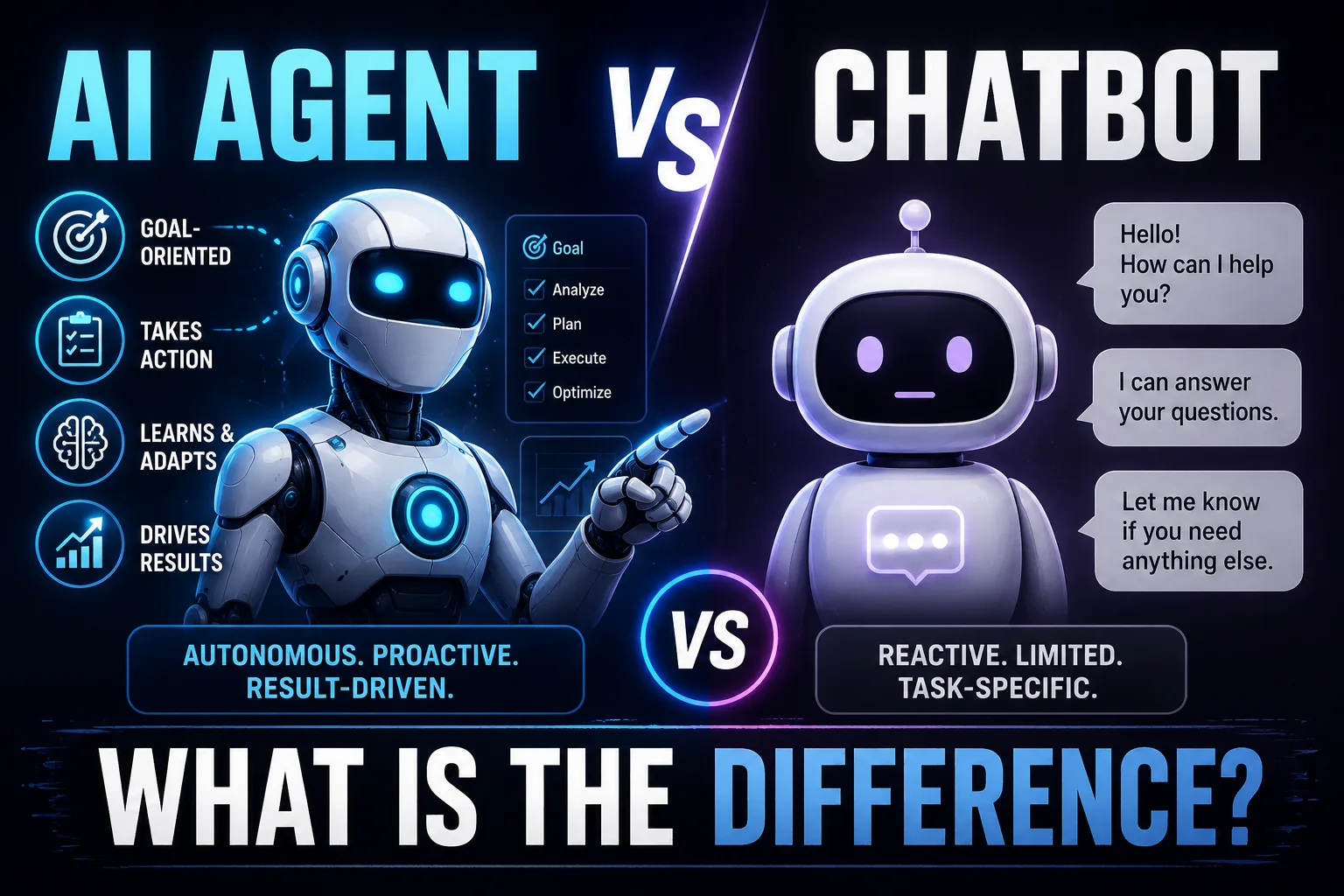
AI Agent vs Chatbot: What Is the Difference?
Understand the core distinctions between AI agents and chatbots. Learn their definitions, capabilities, and how they differ in autonomy and complexity.
We Analyzed 2,000 AI Agents. Here’s What We Found
We examined 2,000 AI agents to identify common patterns, strengths, and limitations. Discover the reality of autonomous agent performance today.
AI Agent Traps: Real-Life Incidents and Lessons Learned
Explore real-life AI agent incidents where agents fell into traps or caused unintended consequences. Understand risks and learn from critical case studies.
Continue exploring
Find AI agents by workflow
More in Industry Insights
Browse more articles in the Industry Insights category.
AI Agent Categories
Browse use-case pages for sales, productivity, coding, customer service, and more.
AI Agents Landscape
Explore the full directory map and compare agents by workflow and category.
Agent Skills
Find reusable skills, capabilities, and building blocks for AI agent workflows.
Free AI Agents
Discover free AI agents and tools for testing agentic workflows without upfront cost.
Open Source AI Agents
Compare open-source agents, frameworks, and developer-friendly agent projects.