The Role of Product Managers in Training AI Agents
Introduction
Artificial intelligence is evolving rapidly, shifting from simple chatbots to fully autonomous digital employees capable of decision-making, workflow automation, and customer interactions. At the heart of this transformation are AI agents—software entities that can act independently, learn from data, and assist users or businesses in performing specific tasks.
But how do these AI agents learn and improve? While data scientists and engineers handle the technical aspects, product managers (PMs) play a crucial role in shaping, training, and refining AI agents to align with business goals and user needs. In 2025, PMs are no longer just managing feature roadmaps; they are actively involved in training AI agents to be smarter, more efficient, and user-friendly.
What Are AI Agents?
AI agents are intelligent digital assistants or autonomous software programs designed to perform tasks, make decisions, and interact with users in a natural way. They can handle customer service, sales, research, automation, and more—adapting to specific business needs. Unlike traditional automation tools, AI agents continuously learn and improve through data-driven training, making them highly flexible and scalable.
The best way to explore and compare AI agents for different industries is through AI Agents Directory & Marketplace—a centralized platform where businesses can discover, evaluate, and integrate AI agents into their workflows. Our marketplace not only lists AI-powered assistants but also connects companies with AI developers who build custom AI agents tailored to unique use cases.

Why Product Managers Matter in AI Agent Training
Product managers act as the bridge between AI development and real-world user needs. Their role is essential for:
Defining Use Cases & User Journeys – Identifying the real problems AI agents should solve.
Data Curation & Model Training Oversight – Ensuring AI is trained on diverse, high-quality datasets.
Setting Performance Metrics – Establishing KPIs such as accuracy, response time, and user satisfaction.
Iterative Development & Feedback Loops – Constantly refining AI behavior based on user interactions.
Managing Risks & Ethical Considerations – Preventing biases, ensuring transparency, and maintaining compliance.
Training AI Agents: A Step-by-Step Guide for PMs
1. Define Goals & KPIs Early
Identify key tasks the AI agent should perform.
Set measurable success metrics (accuracy, efficiency, retention, etc.).
Align training objectives with business and user expectations.
2. Leverage High-Quality Data for AI Training
Use structured and unstructured data to enhance the agent’s understanding.
Train AI on real-world conversations, industry-specific queries, and contextual datasets.
Ensure diversity in training data to reduce bias and improve generalization.
3. Implement a Human-in-the-Loop System
AI agents are not perfect—human oversight ensures high-quality responses.
Continuous human feedback helps fine-tune model accuracy over time.
AI can suggest answers, while human reviewers validate and improve them.
4. Iterate & Improve Based on User Behavior
Use real-time analytics and user feedback to optimize AI performance.
Conduct A/B testing on AI responses to refine interactions.
Identify gaps in AI understanding and retrain as needed.
5. Plan for Scalability, But Start Small
AI agents don’t need to be perfect at launch. Start with an MVP (Minimal Viable Product).
Optimize efficiency over time; don’t over-engineer for scale before validating product-market fit.
Once traction is gained, refactor AI architecture to support larger-scale automation.
Real-World Examples: AI Agents in Action
1. Amazon’s Nova Act
Amazon’s Nova Act initiative showcases how AI agents are transforming e-commerce and logistics. Product managers at Amazon have played a key role in defining Nova’s decision-making logic, training it on large datasets, and iterating based on customer behavior.
2. AI Agents in CRM & Customer Support
Salesforce’s Agentforce and other AI-powered customer support agents rely on product managers to refine conversation models, ensuring they handle complex customer interactions effectively.
Where to Find & Train AI Agents
For businesses looking to integrate AI-driven assistants, the AI Agents Directory & Marketplace provides a curated selection of top AI agents across industries. Whether you need an AI-powered sales assistant, research tool, or automation bot, our marketplace connects you with the best AI agents and customization options.
Final Takeaways
✅ Product managers are crucial to training AI agents—they define goals, curate data, and oversee iterative improvements.
✅ AI agent training is a continuous process, requiring human feedback, performance tracking, and real-world testing.
✅ The AI Agents Directory & Marketplace offers a centralized hub for finding, evaluating, and customizing AI agents for business needs.
🚀 Want to discover AI agents that fit your business? Explore the AI Agents Directory & Marketplace today and take advantage of the future of intelligent automation!
Related Articles
View all articles
Identity Digital Proposes DNS Identity for AI Agents
Explore how Identity Digital's proposal for DNS-based identity provides a scalable, secure standard for verifying autonomous AI agents in the digital ecosystem.
AI Task Management: How AI Agents Are Changing the Way Teams Organize Work
Discover how AI task management and AI agents help teams automate tasks, prioritize work, manage projects, streamline workflows, and improve productivity.
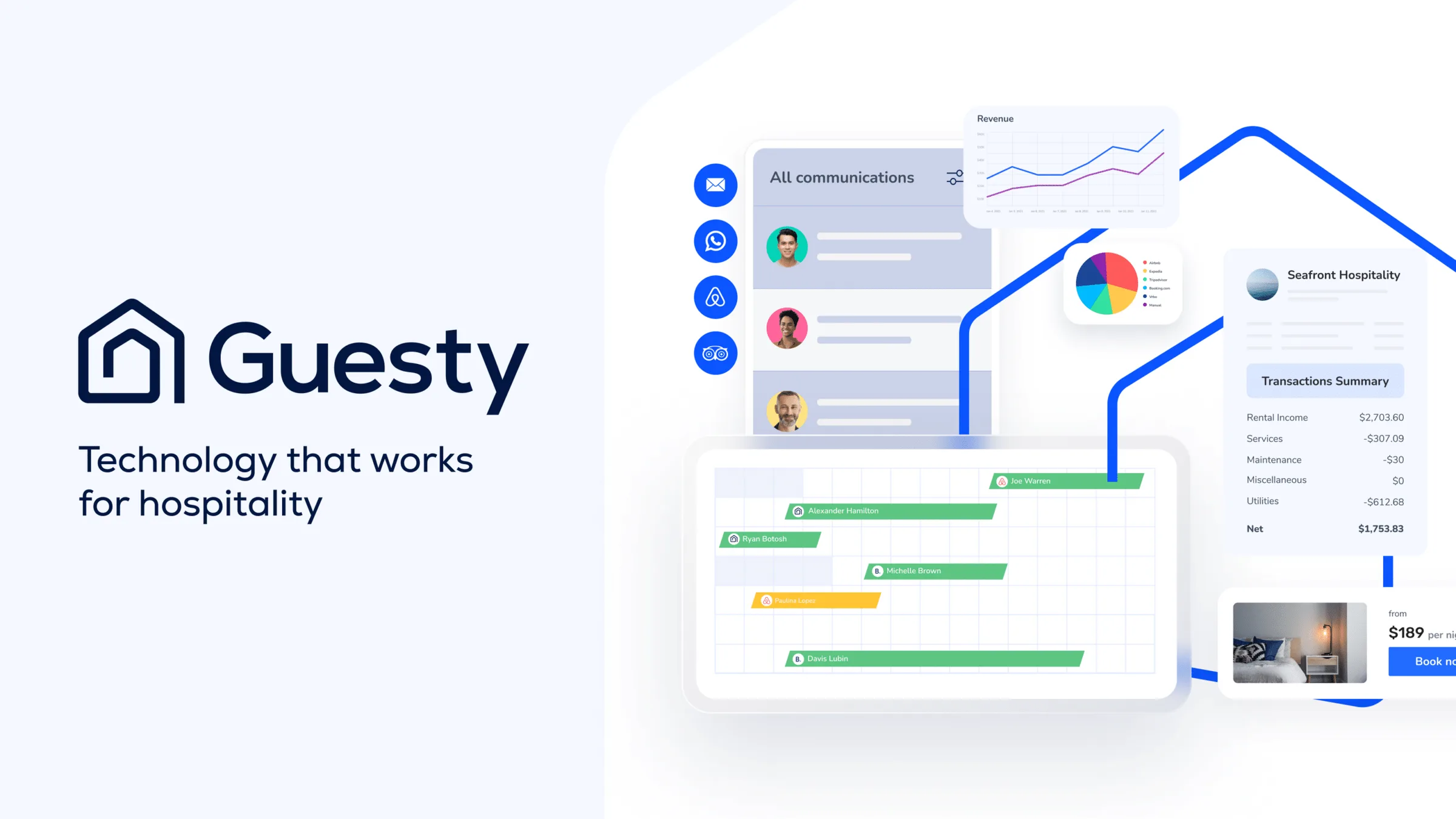
Guesty's Agent System: Revolutionizing Property Management
Discover how Guesty's AI agents transform property management, streamlining operations, enhancing guest experiences, and boosting efficiency for vacation rentals.
Continue exploring
Find AI agents by workflow
More in Industry Insights
Browse more articles in the Industry Insights category.
AI Agent Categories
Browse use-case pages for sales, productivity, coding, customer service, and more.
AI Agents Landscape
Explore the full directory map and compare agents by workflow and category.
Agent Skills
Find reusable skills, capabilities, and building blocks for AI agent workflows.
Free AI Agents
Discover free AI agents and tools for testing agentic workflows without upfront cost.
Open Source AI Agents
Compare open-source agents, frameworks, and developer-friendly agent projects.