The Rise of Chinese AI: Overtaking U.S. Models in Global Adoption
The Shifting AI Landscape
The global artificial intelligence landscape is undergoing a significant transformation. Once dominated by Western technological giants, the rise of Chinese AI models presents a compelling new narrative. This shift is not merely about technological prowess but also about how AI is being developed, deployed, and adopted worldwide. This article delves into the reasons behind the burgeoning global traction of Chinese AI models, offering a comparison with their U.S. counterparts and exploring the implications for the future of AI development.
For business leaders, technologists, and policymakers seeking to understand the evolving AI ecosystem, this analysis provides insights into the key drivers, strengths, and future trajectory of AI innovation originating from China. By the end, you will have a clearer understanding of the factors shaping global AI adoption and the competitive dynamics at play.
Key Drivers of Chinese AI Growth
The rapid ascent of Chinese AI is not a sudden phenomenon but rather the result of a confluence of strategic initiatives, robust investment, and unique market conditions. Understanding these drivers is crucial to grasping the extent of Chinese AI models' global adoption.
Government Support and Strategic Vision
The Chinese government has identified AI as a strategic priority, investing heavily in research and development and implementing policies to foster its growth. This top-down approach has created a fertile ground for AI innovation, encouraging both public and private sector participation. The national AI strategy emphasizes achieving global leadership in AI by 2030, a goal that influences research funding, talent development, and regulatory frameworks.
Massive Datasets and Digital Ecosystem
China's vast population and highly digitized society provide an unparalleled advantage: enormous datasets. AI models thrive on data for training, and the sheer volume and diversity of data generated daily from e-commerce, social media, and smart city initiatives offer rich training grounds. This abundance of data allows Chinese AI developers to train sophisticated models that can perform exceptionally well across various tasks.
Investment and Commercialization
Significant venture capital and corporate investment have fueled the growth of AI companies in China. This capital is not only directed towards fundamental research but also towards rapid commercialization. Chinese AI firms are adept at integrating AI solutions into practical applications across numerous industries, from autonomous vehicles and facial recognition to healthcare and finance, leading to widespread adoption within the domestic market and increasingly abroad.
Talent Development and Research Output
China has made substantial efforts to cultivate AI talent through educational reforms and by attracting top researchers. The country's output of AI-related academic papers and patent applications has seen a dramatic increase, signaling a growing capacity for cutting-edge AI research and development.
Strengths of Chinese AI Models
Chinese AI models are demonstrating remarkable capabilities, often excelling in specific domains due to their tailored development and extensive training data. Why are Chinese AI models gaining global traction? Several factors contribute to their growing appeal.
Natural Language Processing (NLP)
Given the complexity and nuances of the Chinese language, Chinese AI models have developed advanced NLP capabilities. This includes sophisticated machine translation, sentiment analysis, and text generation that are increasingly competitive on a global scale. Companies are leveraging these models for cross-border communication and content creation.
Computer Vision
China has been a leader in computer vision research and application, particularly in areas like facial recognition, object detection, and image analysis. These technologies have found widespread use in security, retail, and smart city infrastructure, showcasing the practical power of these models.
Specialized and Task-Specific AI
Many Chinese AI models are developed with specific industry needs in mind, leading to highly optimized and performant solutions. For instance, AI in manufacturing, agriculture, and logistics has seen significant advancements, providing tangible benefits and driving adoption in these sectors.
Open-Source Contributions
While initially focused on proprietary development, there's a growing trend of Chinese AI entities contributing to and utilizing open-source frameworks. This engagement with the global open-source community, as seen with models like those from MiniMax, accelerates development and fosters wider adoption by making advanced AI more accessible.
Comparison: Chinese vs. U.S. AI Models
When comparing Chinese and U.S. AI models, it's important to consider their development philosophies, architectural choices, and primary use cases. This comparison helps to understand the nuances of their global adoption.
Architectures and Training Methodologies
Both China and the U.S. are at the forefront of developing advanced deep learning architectures. U.S. models have often been pioneers in foundational research, introducing novel architectures like Transformers. Chinese models, while often building upon these foundational concepts, tend to excel in large-scale deployment and optimization for specific tasks, leveraging their massive datasets and computational resources.
Performance Benchmarks
On various benchmarks, Chinese and U.S. AI models often show comparable performance, with each exhibiting strengths in different areas. U.S. models might lead in general-purpose benchmarks and cutting-edge research, while Chinese models can demonstrate superior performance in task-specific applications due to their focused training. For example, in large language model development, while U.S. companies have released highly capable models, Chinese counterparts are rapidly closing the gap and innovating in areas relevant to their domestic market and increasingly global needs.
Ethical Considerations and Data Privacy
A significant point of divergence lies in the approach to data privacy and ethical considerations. U.S. AI development often operates within a framework that emphasizes individual privacy and ethical AI guidelines, though debates continue. Chinese AI development, while also increasingly addressing ethical concerns, has historically operated with different regulatory expectations regarding data collection and usage, which can influence model capabilities and deployment strategies. The ethical implications of China's AI advancements are a subject of ongoing international discussion.
Open-Source vs. Proprietary Models
Historically, U.S. tech giants have been significant contributors to open-source AI frameworks. China's AI ecosystem is also embracing open-source, with an increasing number of companies releasing models and tools. This trend democratizes AI and fosters collaboration, impacting global AI development trends significantly.
Global Adoption Trends and Market Share
The global AI market is dynamic, and Chinese AI models are carving out a substantial presence. Understanding these market dynamics is key to appreciating the impact of Chinese AI innovation China.
Penetration in Emerging Markets
Chinese AI models are increasingly finding traction in emerging markets, often offering cost-effective and highly functional solutions. Their applicability in sectors like mobile technology, e-commerce, and digital services resonates well with the needs of these economies.
Influence on AI Market Share
While precise global market share figures for AI models can fluctuate and are often proprietary, the increasing adoption of Chinese AI solutions across various industries worldwide suggests a growing influence on the overall AI market share. This is evident in the adoption of AI-powered applications and services developed using Chinese AI technologies.
Industries Benefiting Most
Several industries are benefiting significantly from Chinese AI technology. These include:
E-commerce and Retail: Personalized recommendations, supply chain optimization, and customer service chatbots.
Smart Cities: Traffic management, public safety, and environmental monitoring.
Telecommunications: Network optimization, customer support, and predictive maintenance.
Automotive: Advanced driver-assistance systems (ADAS) and autonomous driving technologies.
Healthcare: Medical imaging analysis, drug discovery, and personalized treatment plans.
Challenges and Opportunities for Chinese AI
Despite its rapid progress, Chinese AI development faces hurdles while also presenting significant opportunities for future growth and global influence.
Challenges
International Scrutiny: Concerns over data privacy, ethical use, and national security can lead to trade restrictions and limited adoption in certain Western markets.
Talent Retention: While China is producing AI talent, retaining top global researchers and competing for international talent remains a challenge.
Geopolitical Tensions: The broader geopolitical climate can impact international collaboration and market access.
Opportunities
Open-Source Collaboration: Increased participation in and contribution to open-source AI projects can foster trust and wider adoption. For instance, the development and release of powerful open-weight models like MiniMax M3 signal a commitment to this collaborative approach.
Addressing Global Challenges: Applying AI to solve pressing global issues like climate change, disease, and food security can build goodwill and demonstrate the positive impact of Chinese AI.
Niche Market Dominance: Focusing on specialized AI applications where China has a competitive edge can lead to sustainable global market leadership.
The Future Outlook for AI Development
The future of AI development will likely be characterized by intensified competition and increased collaboration between global players. The ongoing AI competition between China and the U.S. is expected to accelerate innovation across the board. We may see a period where different AI paradigms and strengths emerge from various regions. The role of government policy in AI innovation will remain critical, shaping investment, regulation, and international cooperation. Furthermore, the future of AI talent and research collaboration will be a key determinant of who leads the next wave of breakthroughs.
As different AI models and companies emerge, understanding their unique capabilities becomes paramount. For instance, comparing models like Claude Opus 4.7 vs. 4.8 can reveal subtle yet important differences in performance and application suitability.
Conclusion: Navigating the Evolving AI Ecosystem
The rise of Chinese AI models in global adoption is a defining trend in contemporary technology. Driven by strong government support, vast datasets, and strategic investment, Chinese AI is rapidly maturing and competing on the world stage. While comparisons with U.S. AI models highlight distinct strengths and approaches, the overall trajectory points towards a more diverse and competitive global AI landscape. Businesses and researchers must remain attuned to these developments, understanding the capabilities, challenges, and opportunities presented by AI innovation from all major players.
To effectively navigate this evolving ecosystem, staying informed about emerging models and their applications is crucial. Discover how Chinese AI is reshaping the global technology landscape.
Related Articles
View all articles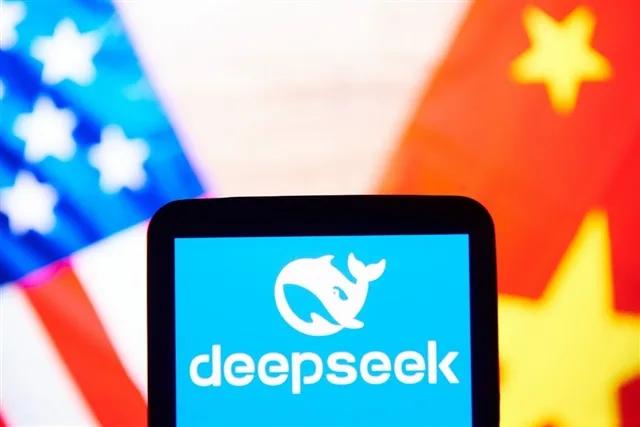
Chinese AI Startups Are Mining Claude For Data: The Inside Story
How Chinese AI startups mine Claude for data. We explore the ethical, legal, and competitive implications of this AI data gold rush.

How AI Agents Are Accelerating Innovation in Financial Technology
How AI Agents Are Accelerating Innovation in Financial Technology

Accenture Edge and Google Cloud Bring Scalable Agentic AI Solutions to Mid-Market Companies
Discover how Accenture Edge and Google Cloud are democratizing scalable agentic AI solutions, empowering mid-market companies to innovate and thrive.
Continue exploring
Find AI agents by workflow
More in Industry Insights
Browse more articles in the Industry Insights category.
AI articles
Explore more guides and insights tagged AI.
China articles
Explore more guides and insights tagged China.
AI Agent Categories
Browse use-case pages for sales, productivity, coding, customer service, and more.
AI Agents Landscape
Explore the full directory map and compare agents by workflow and category.
Agent Skills
Find reusable skills, capabilities, and building blocks for AI agent workflows.