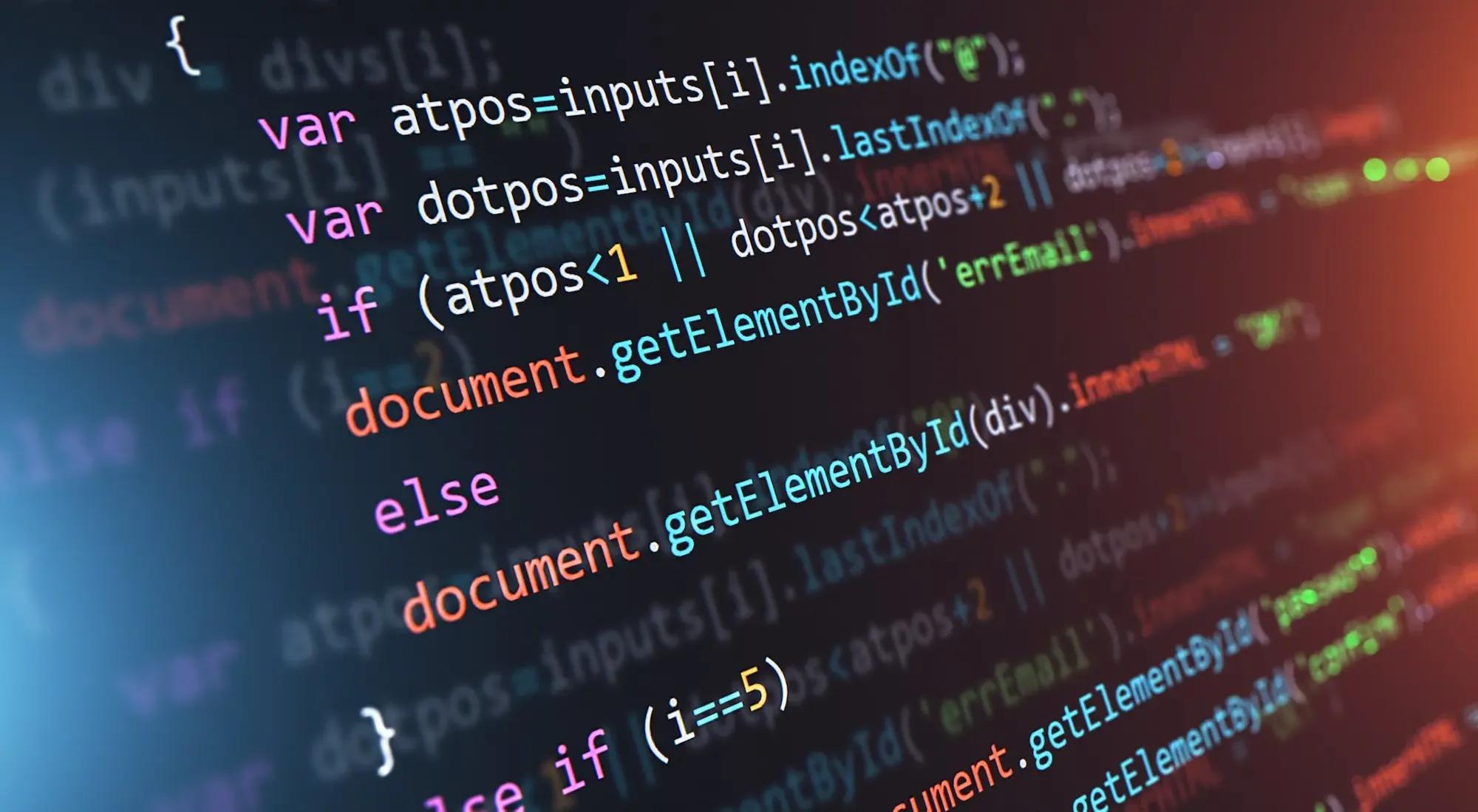
The Final Bottleneck in AI Coding: Why Humans Are Now the Slowest Step in Software Development
The landscape of software development is undergoing a seismic shift, driven by the rapid advancement of AI-powered coding tools. As these tools increasingly shoulder the burden of code generation, they are transforming not only the pace of development but also the very nature of engineering workflows.
The New Bottleneck: From Creation to Comprehension
Historically, writing code was the primary bottleneck in software development. However, with AI tools like GPT-5.3 and Claude Code now capable of generating substantial codebases swiftly, the bottleneck has shifted. Armin Ronacher, in his blog post "The Final Bottleneck," observes that while code creation has accelerated, the processes of reviewing, understanding, and integrating this code have not kept pace. This disparity leads to overwhelmed systems, where pull requests accumulate faster than they can be processed, causing delays and potential quality issues.
This phenomenon mirrors historical patterns observed during the Industrial Revolution. As innovations like the spinning jenny increased production speed, new bottlenecks emerged downstream, necessitating further innovations in areas like fiber processing and cotton supply. Similarly, in modern software development, accelerating one part of the pipeline without addressing subsequent stages leads to systemic inefficiencies.
Human Oversight in an AI-Driven Workflow
Thorsten Ball, reflecting on his experiences, encapsulates the current sentiment among developers: "I am the bottleneck now." As AI tools handle more of the coding tasks, human roles are evolving from creators to supervisors and integrators. This shift requires developers to adapt, focusing more on guiding AI outputs, ensuring code quality, and maintaining system coherence.
However, this transition is not without challenges. The sheer volume of AI-generated code can be daunting, and without proper oversight, there's a risk of integrating suboptimal or flawed code. Moreover, the traditional satisfaction derived from crafting code is being replaced by the task of managing and reviewing AI outputs, leading to a reevaluation of job roles and satisfaction.
Navigating the Transition: Strategies and Considerations
To address these emerging challenges, several strategies can be employed:
Implementing Backpressure Mechanisms: Just as systems use backpressure to manage data flow, development teams can establish protocols to regulate the influx of AI-generated code, ensuring manageable workloads.
Enhancing Review Processes: Developing tools and methodologies to efficiently review and validate AI-generated code is crucial. This might include automated testing frameworks or AI-assisted code review tools. Agentic SDLC platforms such as Exadel Colleague take this approach by writing TDD and BDD tests before any code, so the pull request an engineer reviews arrives already validated.
Redefining Developer Roles: As the nature of coding changes, so too should the roles of developers. Emphasizing skills in AI supervision, system architecture, and integration can help professionals stay relevant and effective.
Fostering Continuous Learning: The rapid evolution of AI tools necessitates ongoing education and adaptability among developers to effectively leverage new technologies.
Embracing the Evolution
The integration of AI into software development is not merely a trend but a fundamental shift in how software is conceived and built. While it brings challenges, particularly in managing the new bottlenecks it creates, it also offers opportunities for innovation and efficiency. By proactively adapting to these changes, developers and organizations can harness the full potential of AI, leading to more robust and scalable software solutions.
As we stand at this crossroads, the key lies in balancing the speed and capabilities of AI with thoughtful human oversight, ensuring that the software we build is not only rapid but also reliable and meaningful.
Related Articles
View all articles
Claude vs. ChatGPT (2026): Coding, Pricing, and Market Share Showdown
In 2026, Claude and ChatGPT battle for AI dominance. Discover which reigns supreme in coding prowess, pricing strategies, and market share.

Spotify Stop Coding: What Happened & Best Alternatives
Spotify’s beloved coding playlists vanished. Learn why, how to recover your tracks, and the best 2024 alternatives for deep-focus developer music.
The 5 Best AI Agents and Tools for Productivity in 2026
Discover the top 5 AI agents and tools revolutionizing productivity in 2026. Learn how autonomous AI agents can automate tasks and boost your workflow.
Continue exploring
Find AI agents by workflow
More in Industry Insights
Browse more articles in the Industry Insights category.
ai articles
Explore more guides and insights tagged ai.
coding articles
Explore more guides and insights tagged coding.
AI Agent Categories
Browse use-case pages for sales, productivity, coding, customer service, and more.
AI Agents Landscape
Explore the full directory map and compare agents by workflow and category.
Agent Skills
Find reusable skills, capabilities, and building blocks for AI agent workflows.