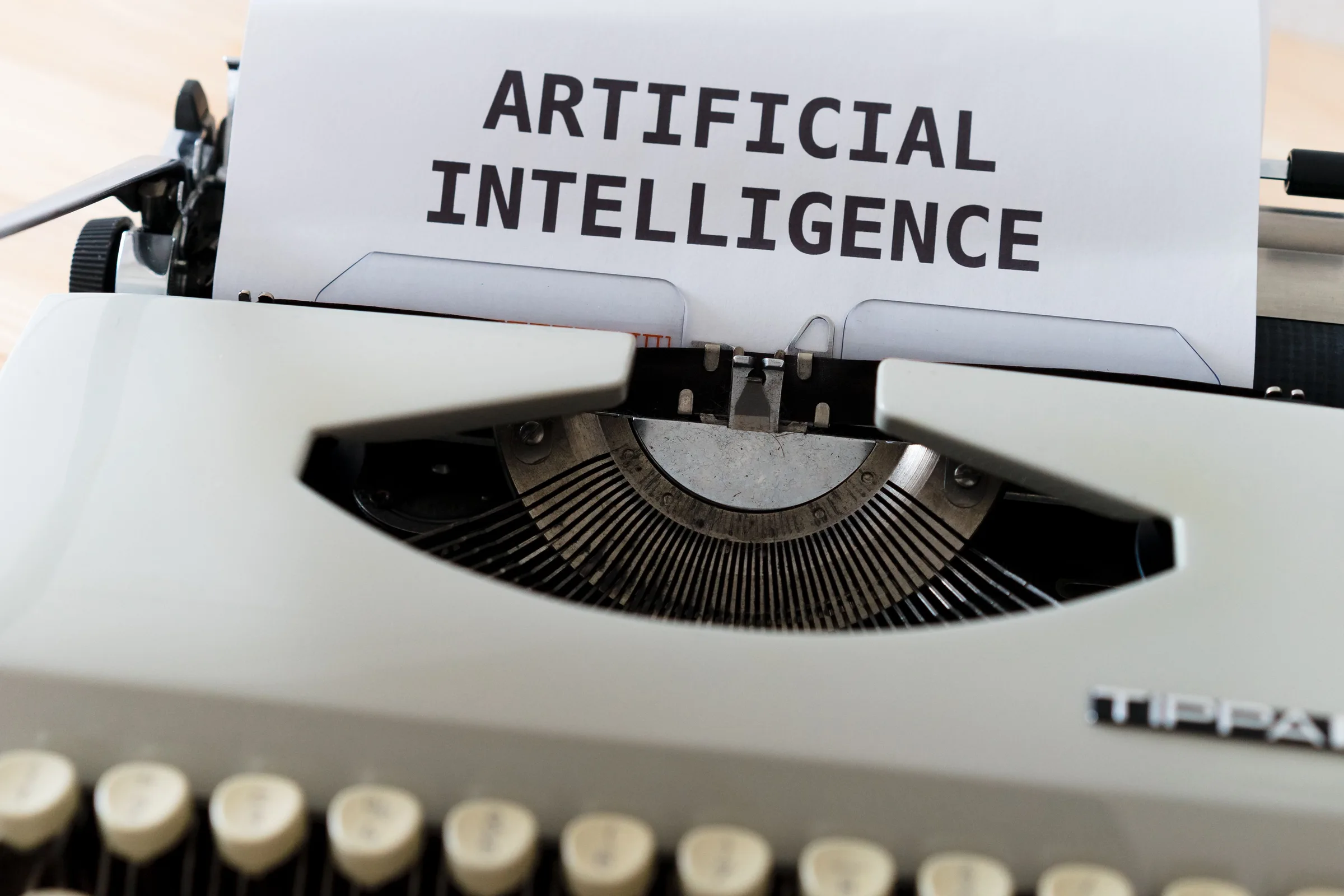
The AI Agents Quietly Revolutionizing Thoroughbred Racing: From Predictive Performance Models to Automated Race Analysis
To the surprise of most people, it came time when we talk about AI technology being used in horse racing. Why is this surprising?
Well, horse racing isn’t considered a high-tech sport. It’s more of a sport tied to tradition and history, and it has been the same for hundreds of years. It does not exactly scream artificial intelligence. But AI is literally everywhere now, and horse racing isn’t immune.
So, quietly, behind the scenes, horse racing is becoming one of the more interesting sports for AI, and there is a good reason for that. It’s not because robots are about to replace jockeys or for AI to predict every upcoming race with 100% accuracy. We’re still far from that (fortunately).
The real change is happening in analysis, which is kind of expected. After all, we’re talking about one of the most unpredictable sports in the world, and with so many variables to consider, it is impossible for humans to analyze all of them and make a connection.
But AI with predictive performance models, automated race breakdowns and simulations, stride data, pace modeling, injury-risk forecasting, and let's not forget betting-market intelligence is making the industry more calculable, safer, and more exciting.
Let’s dive deeper into AI technology in thoroughbred racing and find out where the industry is headed.
Racing Has Always Been a Data Sport
Horse racing might look cool, glamorous, and romantic from the outside, but if you peel back the first layer, you’d find that the sport is full of numbers. In fact, there are so many numbers that it became impossible for humans to analyze them all. And you cannot get rid of them since they all matter.
You have odds, weights, distances, speed figures, weather conditions, pace, stride length, class levels, past performances, breeding lines, pace maps, betting pools, and the list goes on and on. But the sheer number of variables isn’t the difficult part. The difficult part is that all of these variables are interconnected, which means that in order to find a possible outcome, you need to look for patterns and combinations.
So, a data sheet of 500 lines quickly turned into millions of lines that are too much for human beings.
Imagine you’re a horse racing bettor, and you are trying to find answers in such a big pile of data. That’s not exciting at all. Yes, pro bettors that are already competing at TwinSpires tournaments develop a special ability we'll call “hunch or gut feeling,” but you still need to look at data just to point you in the right direction.
AI is not here to get rid of all the data. AI comes to liberate us from studying thousands of data points. Machine learning and artificial intelligence can now look at huge piles of data, work out a pattern, and find even the slightest connection.
So, the problem is not lack of data; it's too much data for humans to process cleanly. But it seems like AI came in with a clutch and saved the day.
What Do We Mean by “AI Agents” in Racing?
The phrase “AI agent” can sound a little dramatic.
Like there is a secret digital handicapper wearing sunglasses inside your laptop.
In practice, an AI agent is usually a system that can gather data, interpret it, make recommendations, generate reports, monitor changes, or automate a specific racing-related task. It might not be one giant brain. More often, it is a group of smaller tools working together.
One agent might scan race entries and flag pace scenarios.
Another might analyze sectional times and identify hidden strong performances.
The value is that it can look through huge amounts of structured data without getting tired, emotional, distracted, or overly attached to a horse because it has a funny name.
Predictive Models Are Getting Smarter
Prediction is the obvious place AI enters racing.
Machine learning models can be trained on historical race data to identify patterns that are hard for humans to see. They can consider variables such as distance, surface, going, draw, pace, trainer form, jockey performance, class movement, layoff patterns, past speed figures, sectional data, and betting behavior.
That does not mean they can predict every winner.
If any AI could do that, it would not be writing blog posts. It would be quietly buying a private island and avoiding attention.
Horse racing is too messy for perfect prediction. Horses are living animals. They have good days and bad days. Trips matter. Weather matters. Race shape matters. Humans make mistakes. A horse can miss the break, get boxed in, dislike the ground, or simply decide today is not the day.
But AI does not need to be perfect to be useful.
It just needs to find better probabilities than the market in certain spots.
The Real Power Is Not Picking Winners, But Finding Mispriced Horses
This is where casual bettors often misunderstand AI.
They think the goal is to ask, “Who wins?”
A smarter model asks, “What is each horse’s true probability, and how does that compare to the price?”
That is a very different question.
A horse can be the most likely winner and still be a bad bet if the odds are too short. Another horse can have only a 12% chance to win but still be attractive if the market is pricing it like it has a 5% chance.
AI is especially useful here because it can produce probability estimates rather than simple picks. That helps serious analysts think in value, not in certainty.
Final Thoughts
So, AI is already in the horse racing industry, and it is already revolutionizing the sport. But this doesn’t mean that horse racing will lose its soul or that the sport will become too predictable.
AI is here to make the picture clearer and to make our job as handicappers and the jobs of trainers and owners much easier.
Related Articles
View all articles
What AI Agents Actually Do Inside a Media Buying Stack
Explore where AI agents genuinely help in media buying. Learn what runs unattended, what still needs a human, and how to set safe limits.

The Impact of AI Agents on Customer Support, Sales, and Business Automation
Explore how AI agents are changing customer support, sales, and business automation through faster service, lead qualification, and workflow execution.
Google AI Agents Are Going Mainstream: What It Means for You
Discover how Google is bringing AI agents into everyday use, their impact on daily tasks, and the future of intelligent automation.
Continue exploring
Find AI agents by workflow
More in Partner Insights
Browse more articles in the Partner Insights category.
AI Agents articles
Explore more guides and insights tagged AI Agents.
Racing articles
Explore more guides and insights tagged Racing.
AI Agent Categories
Browse use-case pages for sales, productivity, coding, customer service, and more.
AI Agents Landscape
Explore the full directory map and compare agents by workflow and category.
Agent Skills
Find reusable skills, capabilities, and building blocks for AI agent workflows.