Meta Acquires Play AI: What This Means for the Future of AI Agents
Meta, the tech giant behind Facebook, Instagram, and the Llama AI models, has quietly acquired Play AI, a fast-rising startup known for its user-friendly interface for building multi-agent systems. While details remain under wraps, this move could mark a major shift in how Meta approaches AI agents, personalization, and consumer-facing automation.
What is Play AI?
Play AI launched with the mission of making multi-agent collaboration accessible to non-technical users. Their no-code interface lets creators visually build and run AI agents that interact, delegate tasks, and operate autonomously across workflows.
In a short time, Play AI gained popularity among developers, marketers, and solopreneurs for its ability to:
Spin up task-specific AI agents
Enable multi-agent orchestration
Handle complex processes with simple inputs
Offer plug-and-play templates for common use cases
Their intuitive "build by chatting" interface positioned them as one of the most user-friendly platforms in the rapidly growing AI agent ecosystem.
Why Meta Is Interested
Meta has been investing heavily in agentic AI and LLM-native interfaces, including its open-source Llama models and the Meta AI assistant, now integrated across Instagram, WhatsApp, and Facebook. By acquiring Play AI, Meta likely aims to:
Accelerate its roadmap toward personalized AI assistants
Bring multi-agent architecture into mainstream consumer tools
Offer creator-friendly workflows to build, customize, and deploy AI
In a world where AI agents are expected to run errands, automate research, and even manage businesses, Play AI gives Meta a clear competitive edge.
A Strategic Signal for the AI Agent Market
The acquisition also sends a strong message to the broader market: agent platforms are heating up. Big tech players are moving fast to secure infrastructure, talent, and tools that enable dynamic, multi-agent interactions.
For AI builders and startups, this validates the shift toward:
Composable AI agents that work together
Interfaces that abstract away complexity
Low-code/no-code solutions for building agents at scale
This deal positions Meta to compete not just with OpenAI (via ChatGPT agents), but with open platforms like AutoGen, CrewAI, and AIAgentsDirectory.com, where developers and users are creating thousands of task-specific agents.
What’s Next?
While Meta hasn’t shared details on how Play AI will be integrated, we expect to see:
Native agent-building tools within Meta’s platforms
Play AI’s orchestration logic powering internal AI tools
New consumer-facing features that let users design or interact with agents seamlessly
Expect tighter integrations between Llama, Meta AI, and Play AI’s visual interface - possibly creating an Apple Shortcuts-style experience for agents.
Final Thoughts
The acquisition of Play AI is more than just a talent grab - it’s a clear move toward an agent-first future where personalized, autonomous, and collaborative AI becomes part of our daily digital lives.
At AI Agent Directory, we’re tracking these shifts closely. Explore our platform to discover new agent tools, compare agent ecosystems, and see how the market is evolving in real time.
Stay tuned for more insights, product breakdowns, and AI agent ecosystem updates.
Related Articles
View all articles
Meta's Muse Spark 1.1: A New Contender in the Agentic AI Arena
Meta has launched Muse Spark 1.1, a powerful multimodal reasoning model for agentic tasks. Discover its features, competitive pricing, and impact on the AI l...

AI Agent Startup Ideas You Can Start Building Today
Explore actionable AI agent startup ideas you can begin building today. Discover innovative concepts and learn how to leverage AI for your next venture.
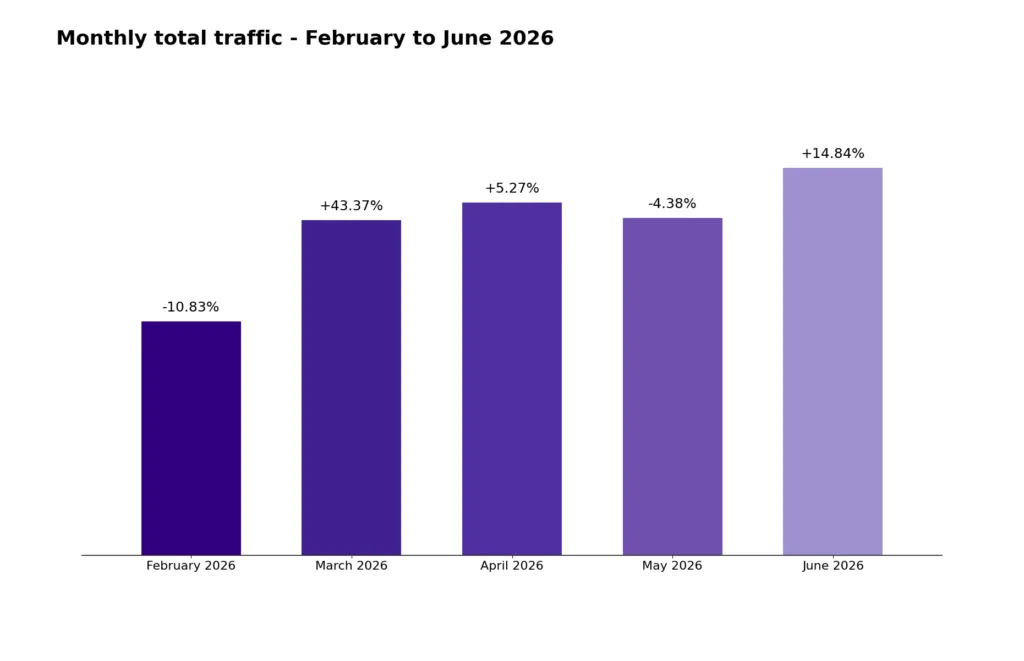
State of Agentic Traffic: Browser Agent Tooling for Developers is Catching On
Explore agentic traffic and browser agent tooling empowering developers to build and manage AI agents in web environments. Understand its impact and future.
Continue exploring
Find AI agents by workflow
More in Industry Insights
Browse more articles in the Industry Insights category.
AI Agent Categories
Browse use-case pages for sales, productivity, coding, customer service, and more.
AI Agents Landscape
Explore the full directory map and compare agents by workflow and category.
Agent Skills
Find reusable skills, capabilities, and building blocks for AI agent workflows.
Free AI Agents
Discover free AI agents and tools for testing agentic workflows without upfront cost.
Open Source AI Agents
Compare open-source agents, frameworks, and developer-friendly agent projects.