
Mastercard Introduces "Verifiable Intent" Standard for AI Agent Transactions
The Rise of AI Agent Transactions: A New Frontier in Commerce
Artificial intelligence (AI) is rapidly evolving from a concept into a tangible force shaping our daily lives. AI agents, sophisticated programs designed to perform tasks autonomously, are increasingly capable of understanding complex requests and initiating actions. From scheduling appointments to managing smart home devices, their integration into our routines is accelerating. This burgeoning capability naturally extends to commerce, where AI agents are poised to become powerful tools for consumers and businesses alike, streamlining purchases and personalizing shopping experiences. However, with this increased autonomy comes a critical need for robust security and trust. How can we ensure that an AI agent's instruction to make a purchase is legitimate, authorized, and free from malicious intent? This is the question Mastercard's groundbreaking "Verifiable Intent" standard aims to answer.
What is Mastercard's Verifiable Intent Standard?
Mastercard's Verifiable Intent is a pioneering new standard designed to provide a secure and trustworthy framework for transactions initiated by AI agents. At its core, Verifiable Intent establishes a clear, cryptographically verifiable signal that an AI agent has been authorized by a consumer to complete a specific transaction. This goes beyond simply authorizing a payment; it confirms the AI's intent to act on behalf of the user for a particular purchase or service. This innovative approach aims to bridge the gap between the convenience of AI-driven commerce and the essential need for security and consumer protection in the digital age.
The primary purpose of the Verifiable Intent standard is to:
Authenticate AI-driven requests: It ensures that a transaction initiated by an AI agent is genuinely authorized by the end-user.
Reduce fraud: By providing a verifiable signal, it helps prevent unauthorized transactions and malicious impersonation by AI.
Enhance consumer trust: It builds confidence in using AI agents for financial activities, knowing that their security is a priority.
Facilitate seamless commerce: It enables a smoother and more intuitive experience for users interacting with AI-powered shopping assistants and services.
The Mechanics of Secure AI Transactions
The Verifiable Intent standard operates through a sophisticated process designed to embed security at the point of AI-driven transaction initiation. While the technical details are complex, the fundamental principle involves creating a secure, verifiable link between the consumer's intent, the AI agent's action, and the payment network. When an AI agent is tasked with making a purchase, it doesn't just send a payment request. Instead, it generates a cryptographically signed message that includes details of the intended transaction – what is being bought, the price, and the merchant. This signature acts as a digital fingerprint, proving that the request originated from an authorized source and has not been tampered with.
This signed intent is then passed through the payment ecosystem. Mastercard's infrastructure is designed to recognize and validate these Verifiable Intent signals. This validation process confirms that the AI agent has the consumer's explicit permission for that specific transaction. For consumers, this means an added layer of security, ensuring that their AI assistant is acting as a trusted proxy, not a vulnerability. For merchants, it means greater confidence in accepting payments from AI agents, as the risk of fraudulent transactions is significantly reduced.
Key Benefits of Verifiable Intent for Businesses and Consumers
The introduction of Mastercard's Verifiable Intent standard offers a compelling array of benefits for all parties involved in the evolving landscape of AI-powered commerce. For consumers, the paramount advantage is enhanced security and peace of mind. Knowing that their AI agents are operating under a robust, verifiable system reduces the anxiety associated with delegating financial tasks to technology. This increased trust is crucial for the widespread adoption of AI in personal finance and shopping.
Businesses, particularly e-commerce platforms and merchants, stand to gain substantially as well:
Reduced Fraud Losses: By verifying the intent behind AI-initiated transactions, businesses can significantly mitigate the risk of chargebacks and financial losses due to fraudulent activity.
Improved Customer Experience: A secure and seamless transaction process, facilitated by AI agents, leads to happier customers and increased loyalty. The friction often associated with online payments can be reduced.
Operational Efficiency: Automating transaction authorization through trusted AI agents can streamline back-end processes for merchants, leading to greater efficiency and cost savings.
New Revenue Streams: As consumer trust in AI transactions grows, businesses can explore new avenues for sales and customer engagement powered by intelligent agents.
"Verifiable Intent is about building trust into the future of AI-driven commerce. It's about ensuring that as AI becomes more integrated into our lives, the transactions it facilitates are as secure and reliable as those initiated directly by consumers."
Mastercard's Vision for the Future of AI Commerce
Mastercard's commitment to developing standards like Verifiable Intent underscores a broader vision for the future of digital payments. The company recognizes that AI is not just a technological trend but a fundamental shift that will redefine how we interact with money and make purchases. By proactively establishing frameworks for secure AI transactions, Mastercard aims to be a leader in shaping this future, ensuring that innovation is paired with robust security and consumer protection.
This initiative positions Mastercard as a key player in the development of the AI economy, looking beyond simple payment processing to enable entirely new forms of commerce. Their strategy involves not only technological innovation but also fostering collaboration with developers, businesses, and regulators to ensure that AI's integration into the financial ecosystem is responsible and beneficial for all. The goal is to create an environment where AI agents can seamlessly and securely execute transactions, unlocking new possibilities for convenience and personalization without compromising safety.
Implications for E-commerce and Digital Payments
The impact of Mastercard's Verifiable Intent standard on e-commerce and digital payments is poised to be profound. As AI agents become more sophisticated in understanding consumer needs and preferences, they will increasingly act as personal shoppers, service procurers, and transaction facilitators. Verifiable Intent provides the essential security layer that makes this possible on a large scale. For online retailers, this means a new wave of automated, authorized sales channels. Customers might delegate the task of finding and purchasing specific items to their AI, with Verifiable Intent ensuring the transaction is legitimate.
Furthermore, this standard could pave the way for new payment experiences. Imagine an AI agent negotiating the best price for a flight and then, upon your approval, securely completing the booking with a single, verifiable intent signal. This level of automation, backed by strong security, has the potential to significantly reduce friction in online transactions and open up new markets for services that were previously too complex or time-consuming to manage manually.
Challenges and Future Considerations
While the Verifiable Intent standard represents a significant leap forward, its widespread adoption and effectiveness will depend on several factors. One of the primary challenges will be ensuring interoperability across different AI platforms, payment processors, and merchant systems. For the standard to truly revolutionize AI transactions, it needs to become a widely adopted industry norm, not just a proprietary solution.
Another consideration is the ongoing evolution of AI itself. As AI agents become more advanced, the security protocols will need to adapt to new threats and capabilities. Continuous innovation in cryptographic methods and fraud detection mechanisms will be essential to stay ahead of potential vulnerabilities. Furthermore, consumer education will play a vital role. Users need to understand how Verifiable Intent works and why it's important for their security when interacting with AI agents in financial contexts.
The question of when Mastercard's Verifiable Intent standard will be fully implemented across the ecosystem is also a key point of interest. While pilot programs and initial rollouts are likely, a comprehensive integration will require time and collaboration with a broad range of partners. The development of similar standards by other technology and financial companies will also be a significant factor in shaping the future landscape of AI transactions.
Conclusion: Paving the Way for Trustworthy AI Transactions
Mastercard's introduction of the Verifiable Intent standard marks a pivotal moment in the journey towards a future where AI agents play an integral role in our commerce. By addressing the critical need for security and authenticity in AI-driven transactions, Mastercard is not only protecting consumers and businesses but also laying the groundwork for a more seamless, efficient, and trustworthy digital economy. The Verifiable Intent standard is more than just a technical innovation; it's a commitment to building confidence in the burgeoning world of AI, ensuring that as our intelligent assistants become more capable, our financial interactions remain secure and reliable.
The implications for e-commerce and digital payments are vast, promising to unlock new levels of convenience and personalization. As this standard matures and gains wider adoption, it has the potential to become an industry benchmark, guiding the development of secure and responsible AI commerce for years to come. Mastercard's proactive approach is setting a precedent for how the financial industry can navigate the complexities of AI, ensuring that innovation drives progress without compromising the trust that underpins our financial systems.
Learn more about how Mastercard's Verifiable Intent is shaping the future of secure AI transactions.
Related Articles
View all articles
AWS AI Agent Payments: A Guide to Coinbase and Stripe Integration
Learn how AWS is enabling AI agent payments through Coinbase and Stripe. Understand the infrastructure, security, and the future of autonomous commerce.

Mastercard Builds Payment Rails for Machine-to-Machine Commerce
Explore how Mastercard is building payment rails for machine-to-machine (M2M) commerce, enabling automated transactions for IoT devices and the future of digital interactions.
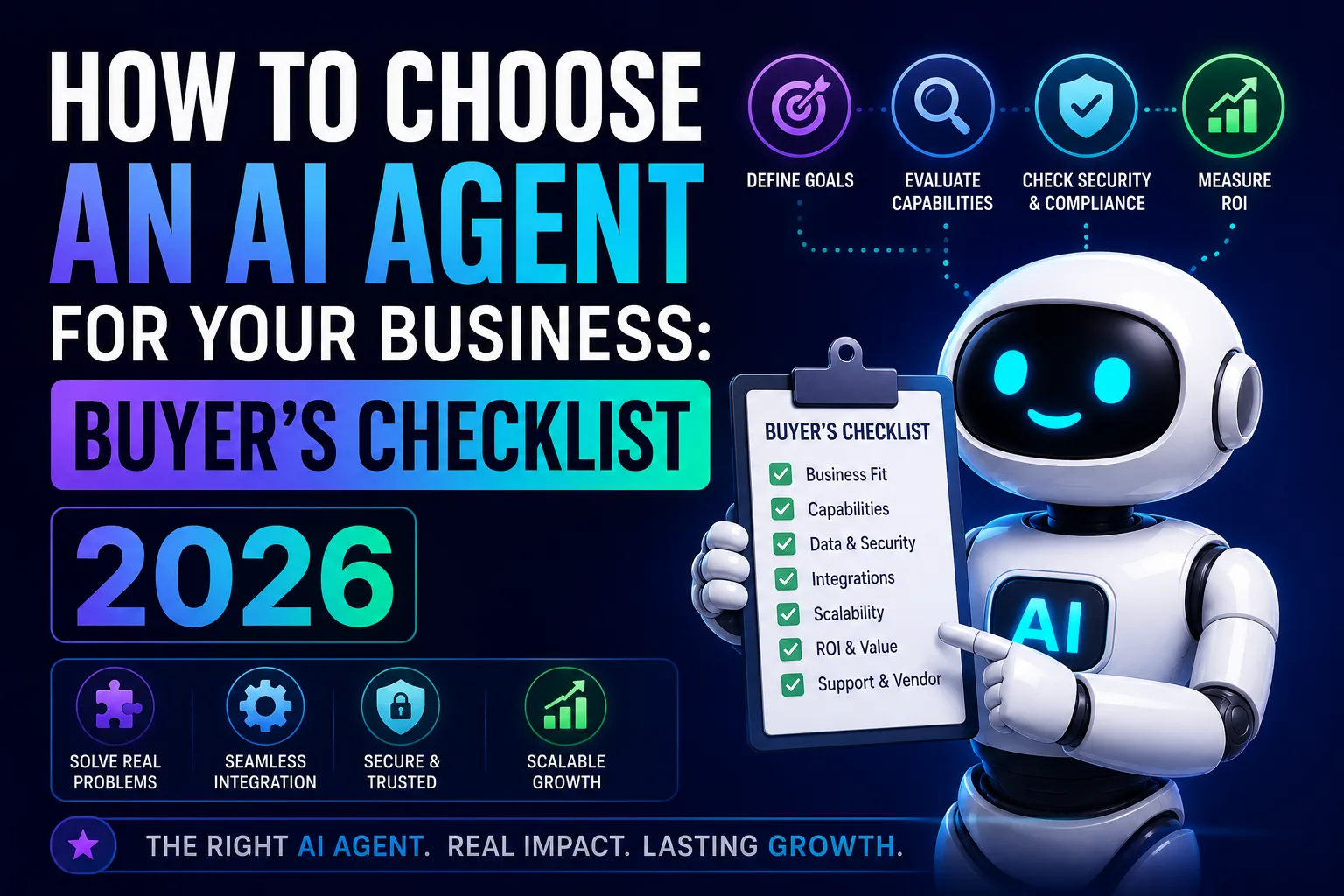
How to Choose an AI Agent for Your Business: Buyer’s Checklist 2026
Navigate AI agent selection for your business with our comprehensive checklist. Discover key criteria, essential features, and how to find the right fit.
Continue exploring
Find AI agents by workflow
More in Industry Insights
Browse more articles in the Industry Insights category.
Mastercard articles
Explore more guides and insights tagged Mastercard.
Artificial Intelligence articles
Explore more guides and insights tagged Artificial Intelligence.
AI Agent Categories
Browse use-case pages for sales, productivity, coding, customer service, and more.
AI Agents Landscape
Explore the full directory map and compare agents by workflow and category.
Agent Skills
Find reusable skills, capabilities, and building blocks for AI agent workflows.