
How to Streamline SOAP Notes in Your EHR: From Templates to AI-Assisted Documentation
Let's be honest: clinicians didn't go through years of training to spend their evenings typing notes. Yet here we are. SOAP notes are still the backbone of every patient encounter, but somewhere between paper charts and modern EHRs, documentation became its own second job.
Over 77% of clinicians in a recent survey reported finishing work later than desired or logging back in after hours just to stay caught up. That number should bother you, because it's fixable.
Before jumping straight to tools and tactics, it's worth understanding why the current process breaks down and where the real inefficiency is hiding.
What SOAP Notes Actually Do in a Modern EHR
Lawrence Weed introduced the Subjective, Objective, Assessment & Plan structure decades ago. The model itself hasn't changed much. What's changed dramatically is the system clinicians are forced to use when writing them.
The Four Sections Providers Still Lean On
Each part of the SOAP framework has a job. The subject captures the patient's story. Objective anchors the visit in measurable data. Assessment reflects genuine clinical reasoning. The plan tells everyone what happens next. Together, they support billing accuracy, care continuity, and documentation that holds up under payer scrutiny.
This is exactly why a well-designed SOAP note template inside your EHR matters more than most teams realize. When providers get a consistent framework instead of a blank screen, they move faster and document better.
What EHRs Changed and What They Broke
The paper gave clinicians narrative freedom. EHRs replaced that with structured fields, dropdown menus, and mandated data entry points. Some of that tradeoff was worth it. But the cost was real: more clicks, more screens, and more cognitive load before anyone writes a single clinical sentence. Providers aren't slower because they're less capable. They're slower because the system demands it.
Where Documentation Burden Becomes a Real Problem
Click fatigue compounds daily. So does copy-paste drift, yesterday's note quietly rolling into today's, unchanged, unreviewed. That habit creates audit exposure, clouds the clinical record, and quietly undermines both revenue integrity and patient safety. You've probably seen it happen. Most practices have.
Practical Strategies to Cut Documentation Time Without Cutting Corners
Efficiency doesn't mean sloppiness. It means putting effort where it actually creates value. Here's how smart practices are doing it.
Aligning Each SOAP Section With the Right EHR Module
Map your S-O-A-P sections deliberately. Vitals and lab results belong in structured data fields. Clinical reasoning belongs in free text, not shoehorned into a dropdown. When every piece of information has a logical home, providers stop hunting for where things go and start documenting faster.
Removing the Tasks That Add Zero Clinical Value
Automating vitals imports, standardizing chronic problem documentation, and setting smart defaults for routine visit types, these changes eliminate a surprising amount of daily friction. Research backs this up: team-based documentation support produced a 21% decrease in time spent writing notes, roughly one hour reclaimed per week, and a 10% reduction in after-hours EHR activity. An hour a day adds up fast.
Measuring Whether "Streamlined" Actually Means Anything
Don't just assume the changes worked; measure them. Track time-to-close-encounter, note length relative to actual visit complexity, and after-hours login rates. Monitor denial rates and audit flags to confirm documentation is holding up. Numbers like these give clinical leadership and individual providers something concrete to act on, not just anecdotes about feeling less burned out.
How to Build SOAP Note Templates That Actually Get Used
A template no one uses is just digital clutter. Great templates are built around how visits actually unfold, not an idealized version of them.
Design by Specialty and Visit Type
A pediatric well-child visit and an ED triage encounter look nothing alike. Neither do new patient intakes and routine chronic disease follow-ups. Templates should reflect those differences explicitly. Generic templates create friction. Specialty-specific ones remove it, which is exactly why platforms like SimplePractice have built entire template libraries organized by this logic.
Build Compliance Into the Structure Itself
Embed prompts for medical decision-making elements, risk stratification, and red flags directly into the template fields. When the structure itself guides the provider toward complete documentation, compliance stops feeling like an additional burden layered on top of clinical work. It just becomes part of the note.
Where AI Fits Into SOAP Note Documentation Right Now
Templates and workflow optimization will take you far. But AI medical documentation tools are now moving the needle in ways that weren't realistic even a few years ago.
What AI Documentation Tools Actually Do
Ambient AI scribes listen to a patient encounter and generate a structured draft note in real time. Voice-to-text tools with clinical structuring go beyond basic dictation; they map spoken content directly into SOAP sections. Chat-style assistants can turn a set of clinical bullet points into a fully organized note in seconds. These aren't gimmicks anymore. They're production tools in active practices.
Keeping Humans in the Loop
Here's the non-negotiable: no AI-generated note goes forward without a provider review. Full stop. Editing workflows, clear accept/reject mechanisms, and traceability policies keep AI-assisted documentation defensible. The goal is a human-in-the-loop model, not one where an algorithm closes the chart unsupervised.
Keeping SOAP Notes Meaningful When You Speed Them Up
Efficiency gains are worthless if they hollow out the note. Every shortcut needs to preserve the clinical reasoning that makes the document actually useful.
Clinical Logic Has to Survive the Optimization
Connect your Subjective and Objective findings directly to your Assessment and Plan. When that thread is missing, when the note could describe any patient in any visit, you've created documentation risk, not documentation. And there's growing evidence that clear, structured notes extend beyond the encounter: research across eight studies suggests that granting patients access to their own notes may improve medication adherence and help surface errors in the medical record. Precision in documentation isn't just faster. It's safer.
The Bottom Line
Getting SOAP notes right inside your EHR is one of the highest-leverage changes a practice can make. Purpose-built templates, smarter workflows, and maturing AI tools have made the path forward clearer than it's ever been. The point was never documentation for its own sake; it's documentation that supports better care, faster decisions, and a workday that ends when it should. Pick one change. Measure it. Build from there.
Questions That Come Up Most Often
What's the right length for a SOAP note?
A routine follow-up typically needs 200–350 words. A complex new patient visit warrants more. Length should track clinical complexity, not ingrained habit.
Can you simplify documentation without hurting reimbursement?
Yes, if templates include required MDM elements and billing prompts. Simplification and compliance aren't in conflict when templates are built intentionally.
How do you adapt templates in legacy EHR systems?
Many older platforms support free-text imports, macros, or smart phrases. Even a well-structured Word document adapted into an existing workflow can reduce documentation time meaningfully.
How do you verify AI-generated notes?
Require provider sign-off before every AI note is finalized. Build structured review checkpoints into high-risk sections. Audit a monthly sample to catch recurring errors before they become patterns.
Where should small practices start with AI tools?
Begin with dictation-to-structure tools before investing in ambient AI. Pilot with one or two providers, measure the actual time and error impact, then scale from a stable foundation.
Related Articles
View all articles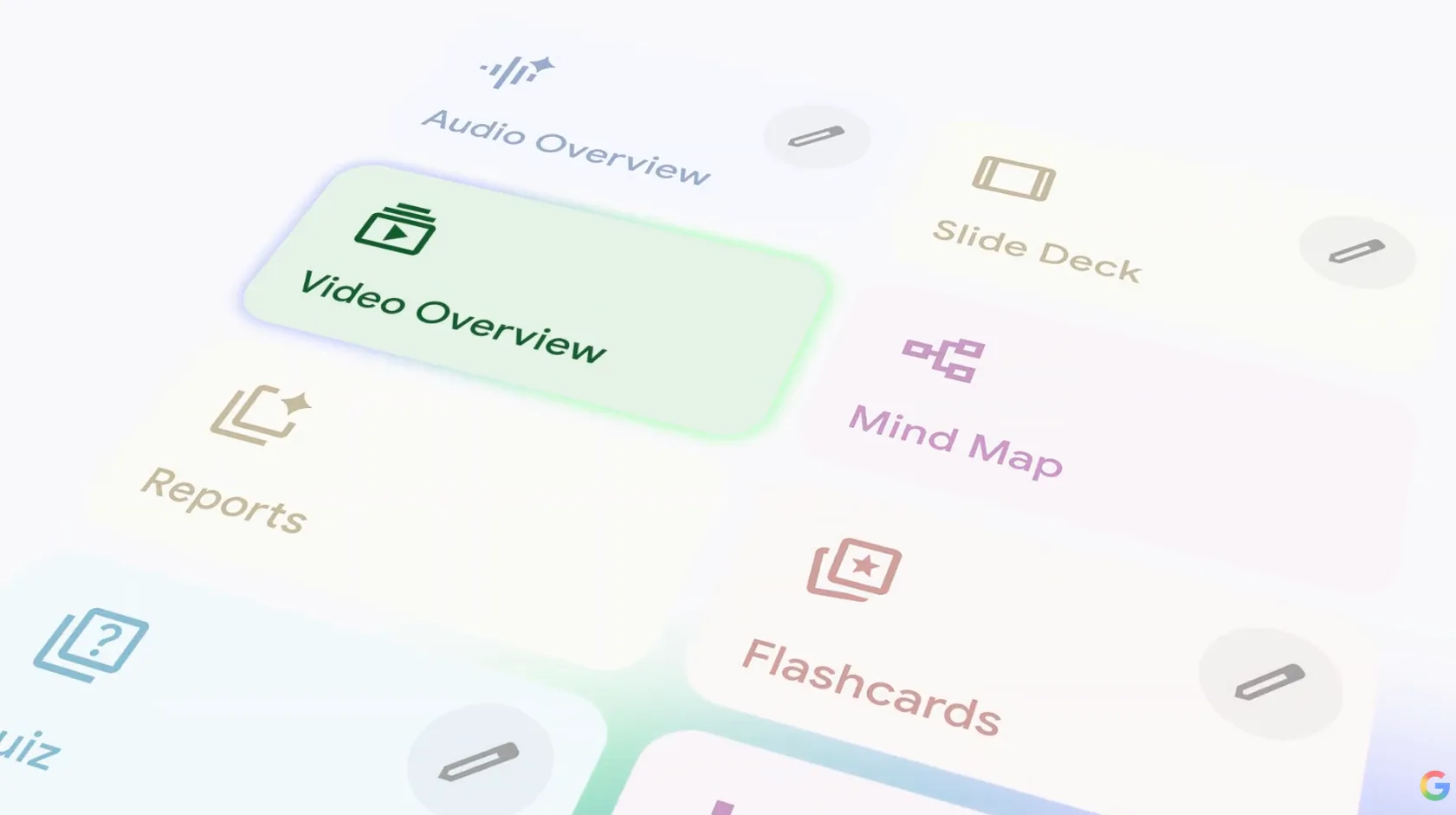
Google NotebookLM can now turn your notes into AI videos
Google NotebookLM just added AI video generation capabilities. Learn how to transform your research notes into engaging video summaries effortlessly.
Starting an AI Business in Canada: What Entrepreneurs Need to Know
Explore starting an AI business in Canada, from choosing automation services and validating demand to Ontario business setup and building client relationships.

How Businesses Can Make PDF Editing Easier in Everyday Work
Make PDF editing easier for your business. Learn how to update documents, use OCR, create fillable forms, and manage electronic signatures in everyday workflows.
Continue exploring
Find AI agents by workflow
More in Partner Insights
Browse more articles in the Partner Insights category.
ai articles
Explore more guides and insights tagged ai.
soap articles
Explore more guides and insights tagged soap.
AI Agent Categories
Browse use-case pages for sales, productivity, coding, customer service, and more.
AI Agents Landscape
Explore the full directory map and compare agents by workflow and category.
Agent Skills
Find reusable skills, capabilities, and building blocks for AI agent workflows.