How AI Is Transforming Transportation and Travel
Artificial intelligence (AI) is steering the future of transportation and travel, making journeys faster, safer, and more efficient. From self-driving cars to personalized travel planning, AI is reshaping how people move around cities and across the globe.
Smarter, Safer Roads
AI is playing a major role in road safety:
Self-driving cars use AI to detect traffic, pedestrians, and road conditions, reducing accidents caused by human error.
Traffic management systems powered by AI adjust stoplights and routes in real time, cutting congestion.
Driver-assist features like lane detection, emergency braking, and blind-spot monitoring keep travelers safe.
By reducing mistakes and improving flow, AI makes everyday driving smarter and safer.
Personalized Travel Planning
Booking a trip no longer means spending hours researching. AI travel assistants can:
Suggest flights and hotels based on personal preferences.
Adjust itineraries automatically if plans change.
Recommend activities, restaurants, or attractions tailored to your interests.
This makes planning smoother, saving both time and stress.
Public Transportation Gets Smarter
AI is improving buses, trains, and other public transit:
Predictive scheduling helps systems run on time and reduces delays.
AI apps give passengers real-time updates about arrivals and cancellations.
Data analysis helps cities optimize routes, ensuring more efficient services.
For commuters, this means fewer headaches and more reliable travel.
Greener and More Sustainable Travel
AI is also helping the environment by promoting greener travel:
Route optimization reduces fuel use and emissions for cars, buses, and planes.
Electric vehicle (EV) charging networks use AI to predict demand and manage energy supply.
Smart logistics systems help companies ship goods faster while reducing their carbon footprint.
This makes AI an important ally in creating sustainable transportation systems.
Challenges and the Road Ahead
While AI offers incredible benefits, challenges remain:
Safety and trust: People may be hesitant to adopt self-driving vehicles.
Regulation: Governments need to create laws to ensure safe and fair AI use.
Accessibility: AI-powered transportation must be affordable and inclusive.
Overcoming these challenges will ensure that AI truly improves transportation for everyone.
Final Thoughts
From safer roads to personalized trips, AI is revolutionizing how we travel. It’s not about replacing human drivers and planners—it’s about enhancing the way we move, making transportation smarter, safer, and more sustainable.
As AI continues to advance, the future of travel will be faster, greener, and more connected than ever before.
Related Articles
View all articles
Visa and eDreams Bring Verified AI Agents Into Travel Booking
Discover how Visa and eDreams are integrating verified AI agents to transform travel booking, offering personalized recommendations and seamless payment experiences.
Workload Planning in 9 Steps: Persuasive Guide For Project Teams
Struggling with burnout and missed deadlines? Master workload planning with our 9-step guide to balancing capacity and improving project delivery.
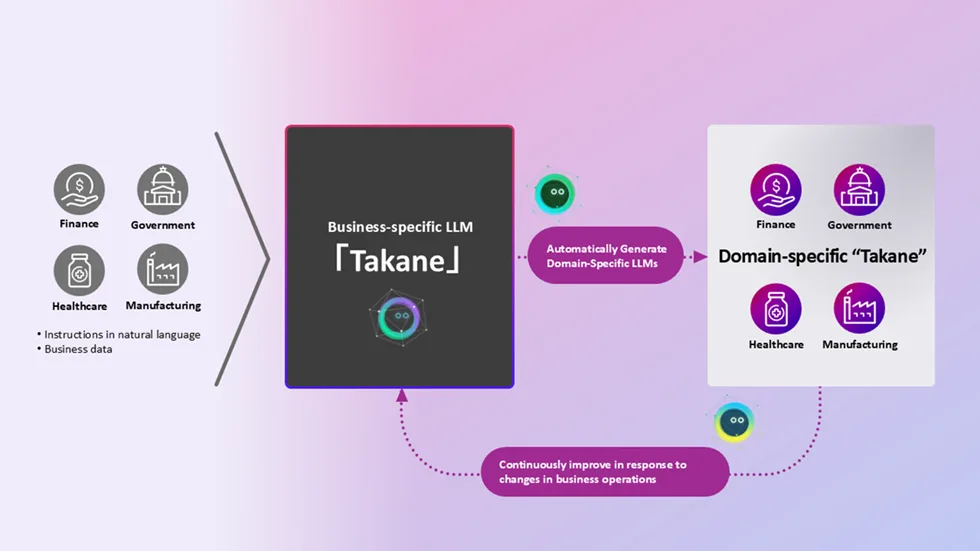
Fujitsu Develops Self-Evolving Multi-AI Agent Technology
Explore Fujitsu's groundbreaking self-evolving multi-AI agent technology. Understand how adaptive systems learn, collaborate, and evolve for complex challenges.
Continue exploring
Find AI agents by workflow
More in Industry Insights
Browse more articles in the Industry Insights category.
AI Agent Categories
Browse use-case pages for sales, productivity, coding, customer service, and more.
AI Agents Landscape
Explore the full directory map and compare agents by workflow and category.
Agent Skills
Find reusable skills, capabilities, and building blocks for AI agent workflows.
Free AI Agents
Discover free AI agents and tools for testing agentic workflows without upfront cost.
Open Source AI Agents
Compare open-source agents, frameworks, and developer-friendly agent projects.