How AI Is Changing Entertainment and Creativity
Artificial intelligence (AI) isn’t just for classrooms, hospitals, or offices—it’s also reshaping how we experience art, music, movies, and games. From personalized recommendations to new ways of creating content, AI is transforming entertainment and giving artists and audiences more possibilities than ever before.
Personalized Entertainment Experiences
We’ve all noticed how streaming platforms like Netflix or Spotify seem to know exactly what we like. That’s AI at work:
Recommendation systems analyze viewing or listening habits to suggest new content.
AI playlists curate music tailored to moods or activities.
Interactive storytelling adapts based on audience choices, making shows or games more immersive.
AI ensures every user gets an entertainment experience designed just for them.
Helping Artists and Creators
AI is not replacing human creativity—it’s amplifying it. Creators use AI to:
Generate ideas for music, art, or scripts.
Edit videos faster and enhance photos automatically with smart tools that improve quality in seconds
Collaborate with AI programs that suggest melodies, color palettes, or storylines.
This speeds up the creative process while leaving room for personal imagination.
Transforming Gaming
The gaming industry is one of the biggest beneficiaries of AI innovation:
Smarter non-player characters (NPCs) make games more realistic and challenging.
Procedural content generation creates new levels, maps, or scenarios automatically.
AI-driven personalization adapts difficulty to a player’s skill level, keeping games engaging.
Gamers get richer, more dynamic experiences thanks to AI-powered worlds.
Redefining Film and Media
AI is reshaping film and media production:
Automated video editing saves filmmakers hours of work.
AI dubbing and translation make movies more accessible worldwide.
Visual effects (VFX) powered by AI bring high-quality graphics to smaller studios.
This opens the door for independent creators to compete with big studios.
Challenges in AI Entertainment
Of course, AI in entertainment comes with challenges:
Originality: Should AI-generated art be considered truly “creative”?
Ownership: Who owns content created by AI—developers, users, or the AI system?
Ethics: AI must be used responsibly to avoid spreading misinformation or creating harmful content.
These debates will shape how AI creativity evolves.
Final Thoughts
AI is making entertainment more personalized, interactive, and accessible while empowering creators with new tools. Whether it’s music, art, film, or gaming, the partnership between human imagination and AI technology is opening up new creative frontiers.
The future of entertainment isn’t just human or machine—it’s human creativity enhanced by AI innovation.
Related Articles
View all articles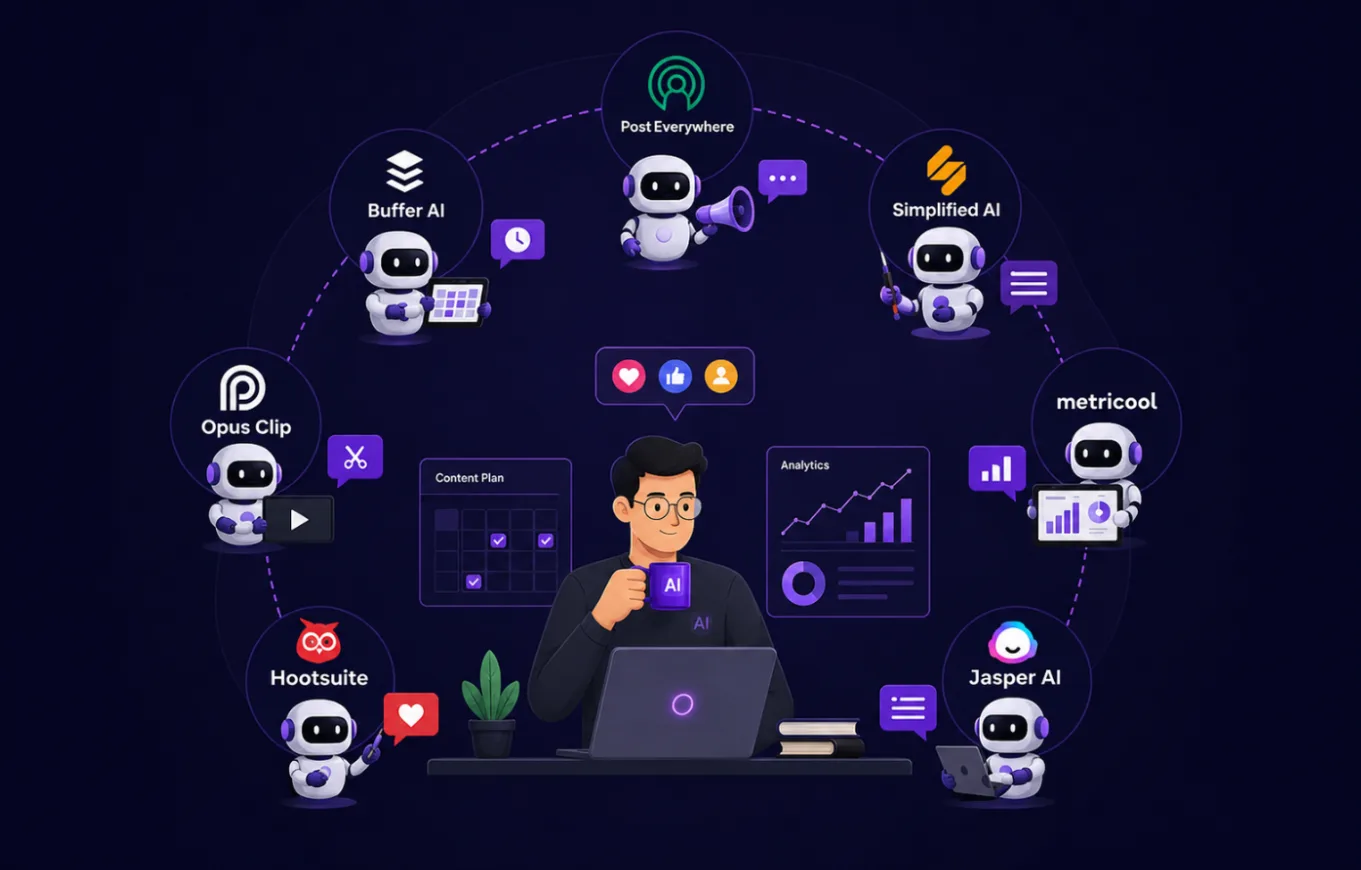
7 AI Agents That Let a Solopreneur Run Social Media Like a Full Team
Discover 7 AI agents that help solopreneurs manage social media content, design, video, scheduling, analytics, engagement, and strategy without a full team.
Top 5 Best AI Agents and Tools for Content Creators in 2026
Discover the top 5 AI agents and tools revolutionizing content creation in 2026, from text and video generation to SEO optimization and brand consistency.
AI Agents in Gaming: Transforming the Industry in 2025
Explore the transformative role of AI agents in gaming as of January 2025. Discover advancements, applications, and future trends shaping the gaming industry.
Continue exploring
Find AI agents by workflow
More in Industry Insights
Browse more articles in the Industry Insights category.
AI Agent Categories
Browse use-case pages for sales, productivity, coding, customer service, and more.
AI Agents Landscape
Explore the full directory map and compare agents by workflow and category.
Agent Skills
Find reusable skills, capabilities, and building blocks for AI agent workflows.
Free AI Agents
Discover free AI agents and tools for testing agentic workflows without upfront cost.
Open Source AI Agents
Compare open-source agents, frameworks, and developer-friendly agent projects.