6 Challenges That Slow Down Threat Investigation Efforts
Security teams face increasing pressure to investigate threats quickly and accurately. Cyberattacks move fast, and delays during the investigation process can give attackers additional time to spread through networks, access sensitive data, or disrupt business operations. Even skilled security professionals can struggle when critical information is difficult to access.
Organizations need tools and processes that improve visibility and reduce investigation time. A modern XDR solution can help security teams connect data from multiple sources and gain clearer insight into suspicious activity. Understanding common investigation challenges is the first step toward improving response capabilities.
Disconnected Security Data Creates Delays
Threat investigations become difficult when important information is spread across separate systems. Analysts may need to review endpoint logs, email alerts, network activity, and cloud events individually before they can understand what happened.
This process consumes valuable time and increases the risk of missing critical details. Security teams work more efficiently when relevant information is collected and correlated in a centralized environment. Better visibility helps analysts move from detection to investigation faster.
Alert Overload Makes Prioritization Difficult
Security teams receive large volumes of alerts every day. Some alerts indicate genuine threats, while others represent routine activity or false positives. Sorting through these notifications can delay investigations and distract analysts from higher-priority incidents.
A well-designed XDR platform can help reduce noise by connecting related events and providing additional context. This allows analysts to focus attention on threats that require immediate action instead of spending time reviewing low-risk alerts.
Limited Visibility Across Multiple Environments
Modern organizations operate across endpoints, cloud platforms, email systems, and remote work environments. Security teams may struggle to investigate incidents when activity is spread across multiple locations and technologies.
A threat investigation becomes more efficient when analysts can view activity from different environments through a unified interface. Comprehensive visibility helps identify attack paths, affected systems, and potential risks without requiring separate investigations for each platform.
Manual Investigation Processes Consume Valuable Time
Manual investigations require analysts to gather data, compare records, and connect events across multiple sources. These tasks can significantly slow response times, especially during complex security incidents.
Automation can help reduce workloads by collecting relevant information and highlighting relationships between events. Organizations that implement a modern XDR solution can streamline investigative workflows and allow analysts to focus on decision-making rather than repetitive data collection tasks.
Incomplete Context Can Lead to Misjudgments
A security alert without context can make investigations more difficult. Analysts need to understand how an event relates to users, devices, applications, and business systems before determining its severity.
Without sufficient context, teams may spend additional time gathering information or investigating issues that pose minimal risk. Strong investigative tools provide enriched data that helps analysts understand the broader picture and make faster, more informed decisions during threat response efforts.
Resource Constraints Affect Investigation Speed
Security teams frequently manage multiple responsibilities at the same time. Limited staffing and growing security demands can create bottlenecks that slow investigations and extend response times.
Organizations can improve efficiency by adopting technologies that support analysts through automation, correlation, and centralized visibility. Better resource utilization allows teams to investigate incidents more effectively without requiring significant increases in personnel or operational complexity.
Questions Organizations Should Ask When Evaluating Threat Investigation Tools
Can the solution help security teams reduce investigation time during active incidents?
Does it provide visibility across endpoints, cloud services, email, and network activity?
How easily can analysts connect related events during an investigation?
Will the platform support growing security requirements without adding operational complexity?
Can security teams access meaningful context instead of isolated alerts?
Threat investigations become more challenging when security teams face disconnected data, excessive alerts, limited visibility, and manual processes. Delays can increase business risk and allow threats to progress further within an environment. Organizations that improve visibility, automate repetitive tasks, and strengthen investigative capabilities can reduce response times and help security teams focus on the threats that matter most.
Related Articles
View all articles
Stolen Gemini API Key Racks Up $82,000 in 48 Hours: A Wake-Up Call for AI Security
A stolen Gemini API key led to an $82,000 charge in just 48 hours. Learn how this breach occurred and crucial steps to secure your AI API keys.
Top 5 Container Security Minimus Alternatives for 2026
Top 5 Container Security Minimus Alternatives for 2026
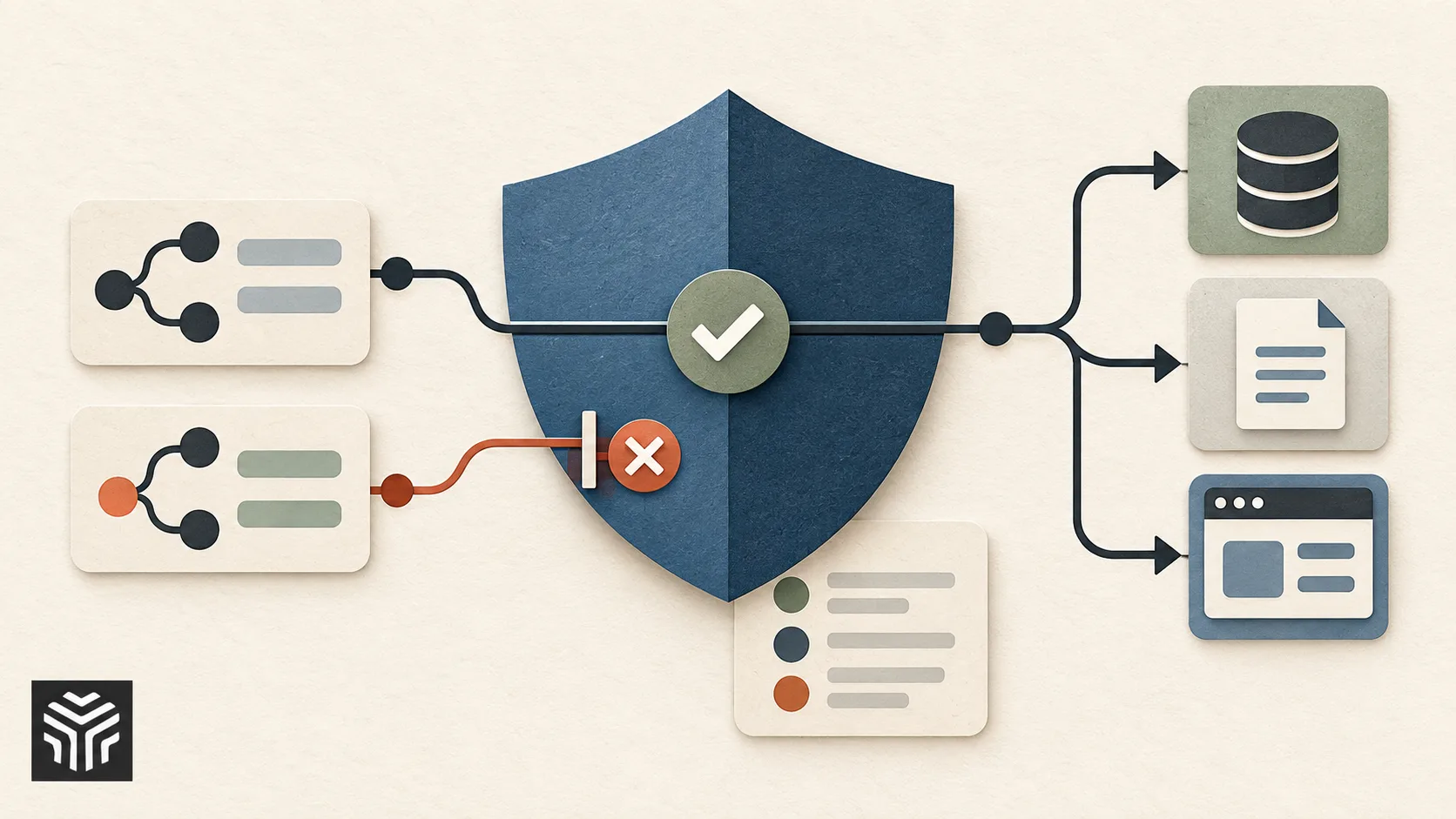
8 Best AI Agent Security Platforms for Enterprise Workflows
Compare eight AI agent security platforms on discovery, permissions and runtime protection, with practical tests to evaluate coverage in enterprise workflows.
Continue exploring
Find AI agents by workflow
More in Partner Insights
Browse more articles in the Partner Insights category.
security articles
Explore more guides and insights tagged security.
ai articles
Explore more guides and insights tagged ai.
AI Agent Categories
Browse use-case pages for sales, productivity, coding, customer service, and more.
AI Agents Landscape
Explore the full directory map and compare agents by workflow and category.
Agent Skills
Find reusable skills, capabilities, and building blocks for AI agent workflows.