
Starbucks' AI Fails to Count Coffee Cups: What Went Wrong?
The Incident: Starbucks' AI Struggles with Simple Counting
In a recent, widely discussed incident, Starbucks' advanced artificial intelligence system reportedly encountered a significant hurdle: it couldn't accurately count coffee cups. While the specifics of the event remain somewhat opaque, the implication is clear – a sophisticated AI, designed to streamline operations, faltered at a seemingly rudimentary task. This glitch raises critical questions about the reliability and readiness of AI for complex, real-world applications, particularly within fast-paced environments like food service.
This failure, though seemingly minor in isolation, taps into broader anxieties and discussions surrounding the implementation of AI. It highlights that even with substantial investment in technology, significant challenges can arise, impacting everything from inventory management to the customer experience. This post delves into why such a fundamental error might occur and what it signifies for the future of AI in retail.
Understanding the Technology: How AI is Used in Retail Operations
Starbucks, like many large retail chains, has been investing heavily in technology to enhance efficiency and customer satisfaction. Artificial intelligence plays a multifaceted role in modern retail operations. Its applications are diverse and aim to optimize various aspects of the business:
Inventory Management: AI can predict demand, track stock levels, and automate reordering processes, minimizing waste and ensuring popular items are always available. This is crucial for businesses with perishable goods or high turnover.
Personalized Customer Experiences: AI algorithms analyze customer data to offer tailored recommendations, promotions, and even customize orders, as seen in Starbucks' own mobile app and ordering systems.
Operational Efficiency: From optimizing staff schedules to managing kitchen workflows, AI can identify bottlenecks and suggest improvements to speed up service and reduce costs.
Predictive Maintenance: AI can monitor equipment performance and predict potential failures, allowing for proactive maintenance and preventing costly downtime.
Supply Chain Optimization: AI can analyze complex supply chains to identify efficiencies, reduce transit times, and improve the reliability of deliveries.
The purpose of AI in Starbucks, and indeed across the retail landscape, is to leverage data and computational power to make smarter, faster decisions. The goal is to enhance both the back-end operations and the front-end customer journey. However, the recent incident suggests that the path to seamless AI integration is fraught with potential pitfalls.
Potential Reasons for the AI's Shortcoming
Why did Starbucks' AI fail to count coffee cups? Several factors, common to AI implementation challenges, could be at play:
Data Quality and Training
AI systems learn from data. If the data used to train the cup-counting AI was incomplete, inaccurate, or not representative of real-world conditions, the system would struggle. For instance:
Inconsistent Data: If the training data didn't account for variations in cup appearance (e.g., different sizes, crumpled cups, cups with lids on or off), the AI might misclassify them.
Limited Scope: The AI might have been trained on a limited set of scenarios, failing to adapt to unexpected situations, such as a sudden rush of orders or unusual placement of cups.
Data Drift: Over time, the real-world environment can change. If the AI isn't continuously retrained with updated data, its performance can degrade.
Algorithmic Limitations and Complexity
Even with good data, the underlying algorithms might have limitations. Counting objects, especially in a dynamic environment with occlusions and varying lighting, is a complex computer vision task. The AI might have struggled with:
Object Recognition Errors: Distinguishing individual cups from background noise or other objects can be challenging for even advanced algorithms.
Occlusion: Cups partially hidden by other objects or hands can be difficult for AI to identify and count accurately.
Scale and Speed: The sheer volume and speed at which items move in a busy Starbucks can overwhelm systems not designed for such high throughput.
Integration and Environmental Factors
AI systems don't operate in a vacuum. Their performance is heavily influenced by how they are integrated with existing infrastructure and the environment in which they operate.
Sensor Issues: If the AI relies on cameras or other sensors, any malfunction, obstruction, or poor lighting conditions could lead to inaccurate data input.
Software Bugs: Complex software systems, including those powering AI, can have bugs that manifest in unexpected ways, leading to errors in calculation or processing.
System Interdependencies: The cup-counting AI might be part of a larger system. A failure in a connected component could cascade and affect its performance.
The question of why did Starbucks AI fail to count cups likely stems from a combination of these factors, highlighting that AI accuracy in food service is not a simple matter of programming.
Implications for AI Implementation in Food Service
The Starbucks AI failure, while specific to their operations, has broader implications for the adoption of AI in the food service industry and retail at large. The impact of AI errors on customer experience and operational efficiency can be significant:
Customer Dissatisfaction and Trust Erosion
When AI systems fail, particularly those that directly interact with customers or influence service delivery, it can lead to frustration. Starbucks AI ordering system problems, if they extend beyond just counting, can result in longer wait times, incorrect orders, and a diminished overall experience. Customers expect efficiency and accuracy, and high-profile failures can erode trust in the technology and the brand.
Operational Disruptions and Inefficiencies
An AI that cannot accurately manage inventory, like counting cups, can lead to tangible operational problems. This could mean:
Stockouts: If cups are underestimated, it might lead to shortages during peak times, frustrating both staff and customers.
Wasted Resources: Overestimating inventory could lead to unnecessary ordering and storage costs.
Staff Overload: When AI fails, human staff often have to step in to correct errors, adding to their workload and potentially causing further delays.
The promise of AI is to improve AI operational efficiency, but failures like this demonstrate the opposite can occur if not implemented and monitored carefully. The impact of AI errors on customer experience is a critical consideration for any business deploying these technologies.
The Importance of Robust Testing and Validation
This incident underscores the absolute necessity of rigorous testing and validation for AI systems before deployment. AI accuracy in food service must be exceptionally high, as even small errors can have cascading effects. This involves:
Extensive Scenario Testing: Simulating a wide range of real-world conditions, including edge cases and unusual scenarios.
Pilot Programs: Deploying AI in limited, controlled environments to identify and resolve issues before a full rollout.
Continuous Monitoring: Implementing systems to constantly track AI performance and flag anomalies for immediate investigation.
For businesses looking to build their own AI-driven solutions, understanding the principles of robust development and testing is key. Exploring resources on AI agent startup ideas can provide insights into the foundational steps required for successful AI ventures.
The Human Element: Why Human Oversight Remains Crucial
While AI offers immense potential for automation and efficiency, the Starbucks cup-counting incident serves as a potent reminder that human oversight remains indispensable. Complex systems, even those powered by AI, are not infallible. The presence of human operators provides several critical functions:
Error Detection and Correction: Humans can spot anomalies that AI might miss and intervene to correct errors before they escalate.
Adaptability and Judgment: In unforeseen circumstances or when AI provides illogical outputs, human judgment is essential to make informed decisions and adapt to the situation.
Contextual Understanding: Humans possess a nuanced understanding of context, social cues, and the overall business environment that AI currently lacks.
Ethical Considerations: Human oversight is vital for ensuring that AI systems operate ethically and align with company values and customer expectations.
In the context of Starbucks, baristas and managers provide a layer of real-time problem-solving and adaptability that AI, at its current stage, cannot fully replicate. This is particularly true for tasks requiring fine motor skills, complex social interaction, or quick, intuitive decision-making. For users of Apple devices, understanding how to integrate AI tools into daily tasks can be facilitated by resources like how Mac users can build smarter workflows with AI agents.
Looking Ahead: Lessons Learned and Future of AI in Coffee Shops
The Starbucks AI failure is a valuable, albeit public, learning opportunity for the company and the broader industry. The lessons are clear:
Prioritize Robustness Over Novelty: While cutting-edge AI is exciting, ensuring the reliability and accuracy of even basic functions is paramount, especially in customer-facing roles.
Invest in Comprehensive Testing: Thorough testing, including stress testing and real-world simulations, is not an optional add-on but a core requirement for AI deployment.
Maintain a Human-AI Partnership: The most effective AI implementations will likely involve a symbiotic relationship between human expertise and AI capabilities, with humans providing oversight and critical judgment.
Transparency and Communication: When AI issues arise, clear communication about the problem and the steps being taken to resolve it can help manage customer expectations and maintain trust.
The future of AI in coffee shops, and indeed in all of retail, holds immense promise. From hyper-personalized customer interactions to hyper-efficient supply chains, AI will undoubtedly continue to shape the industry. However, the Starbucks incident serves as a critical reminder that successful AI integration requires a deep understanding of its limitations, a commitment to rigorous development practices, and a recognition of the enduring value of human intelligence and oversight.
What are your thoughts on AI's role in customer service? Share your insights in the comments below!
Related Articles
View all articles
AI Task Management: How AI Agents Are Changing the Way Teams Organize Work
Discover how AI task management and AI agents help teams automate tasks, prioritize work, manage projects, streamline workflows, and improve productivity.
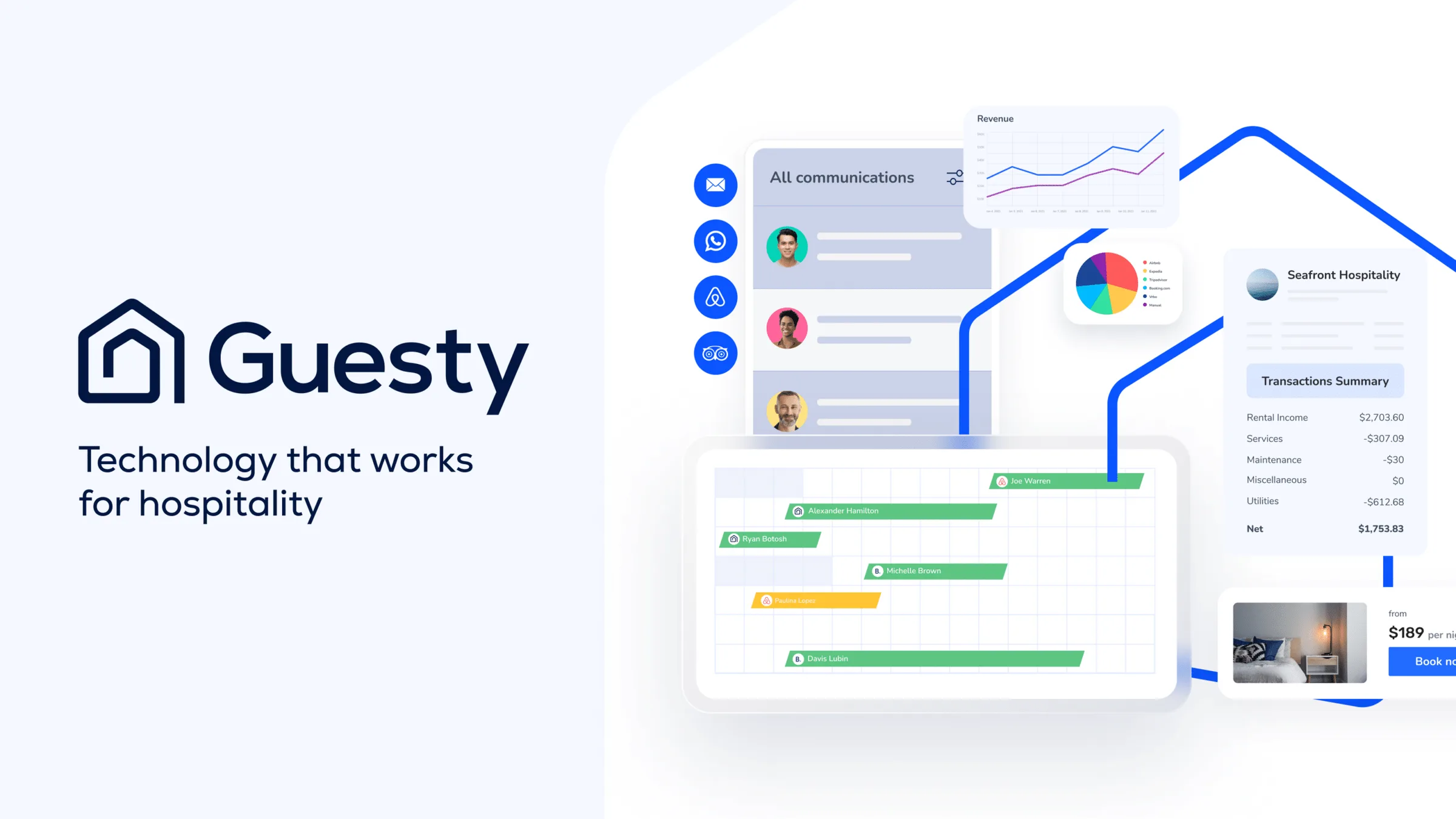
Guesty's Agent System: Revolutionizing Property Management
Discover how Guesty's AI agents transform property management, streamlining operations, enhancing guest experiences, and boosting efficiency for vacation rentals.

Doss raises $55M for AI inventory management that plugs into ERP
Explore how AI inventory management platforms like Doss integrate with ERP systems to solve complex supply chain challenges and boost operational efficiency.
Continue exploring
Find AI agents by workflow
More in Industry Insights
Browse more articles in the Industry Insights category.
Starbucks articles
Explore more guides and insights tagged Starbucks.
AI articles
Explore more guides and insights tagged AI.
AI Agent Categories
Browse use-case pages for sales, productivity, coding, customer service, and more.
AI Agents Landscape
Explore the full directory map and compare agents by workflow and category.
Agent Skills
Find reusable skills, capabilities, and building blocks for AI agent workflows.