Multi-Site Maintenance Software for Consistent Facility Standards
Managing maintenance across several facilities creates pressure on budgets, schedules, equipment, and staff. Each location may follow different procedures, record work in separate systems, or measure results using inconsistent definitions. Those gaps make performance difficult to compare and improvements harder to repeat. A shared maintenance framework gives leaders clearer oversight while helping technicians complete essential tasks safely, accurately, and on schedule. Consistent standards also support better planning, stronger compliance, and fewer avoidable disruptions.
Why Standardization Matters
Local habits can develop quickly when facilities operate independently. One team may inspect equipment weekly, while another waits for visible problems. Different labels, forms, and approval steps then create unreliable records. Multi-site maintenance management software gives organizations a shared operating structure for work orders, procedures, inspections, parts, and performance data. With common processes in place, regional leaders can compare facilities fairly, identify gaps earlier, and spread proven practices across locations.
One Process Across Facilities
A central maintenance system allows leaders to create approved procedures once and publish them across every location. Updates reach teams without printed binders or informal messages. Standard work order templates can define required fields, priority levels, safety checks, and completion notes. Technicians still retain local knowledge, yet each facility follows the same core process. This balance improves consistency without removing practical judgment from daily maintenance decisions.
Clear Preventive Maintenance Standards
Preventive maintenance becomes harder to control when sites set different intervals for similar assets. A shared program can schedule tasks by time, usage, meter readings, or equipment condition. Leaders gain a clearer view of overdue work and recurring delays. Standard intervals also help teams protect critical machinery before failures occur. Regular compliance reviews reveal whether a missed task reflects staffing limits, poor planning, or an inaccurate schedule.
Better Work Order Quality
Work orders should provide enough detail for safe, efficient execution. Standard forms can request asset information, failure descriptions, photographs, parts used, labor hours, and follow-up actions. Required fields reduce incomplete records and improve handoffs between shifts. Consistent categories also help analysts separate emergency repairs from planned activities. Over time, cleaner records support better decisions about staffing, replacement timing, contractor use, and recurring equipment issues.
Shared Asset Knowledge
Experienced technicians often hold valuable knowledge that remains difficult to access across locations. Central records can preserve repair histories, manuals, inspection notes, and approved procedures in one searchable place. New staff can review past solutions before escalating routine questions. Maintenance leaders can also identify repeated failures across similar assets. Shared knowledge reduces dependence on individual memory and supports more consistent decisions during urgent repairs.
Comparable Performance Data
Facility leaders need reliable measures to understand how each site performs. Common indicators may include planned maintenance completion, downtime, response time, repair duration, labor cost, and parts consumption. Standard definitions ensure that one location does not report completed work differently from another. Consolidated dashboards then make comparisons more useful. Leaders can recognize strong results, investigate weak areas, and focus resources where operational impact is greatest.
Compliance Without Extra Burden
Regulatory duties often require proof that inspections, repairs, training, and approvals occurred on time. Digital audit trails can record who completed each task, when work began, which findings appeared, and how issues were resolved. Mandatory fields prevent essential information from being skipped. Approval workflows add control for higher-risk activities. These records help facilities prepare for reviews without searching through scattered paperwork or relying on personal recollection.
Consistent Parts Control
Inventory differences across sites can raise costs and delay repairs. One facility may carry excess stock, while another waits for a commonly needed component. Shared item names, stock levels, supplier details, and usage records improve visibility across the organization. Leaders can identify duplicate purchases and consider transfers before placing new orders. Better parts data also supports accurate cost tracking for assets and maintenance programs.
Faster Issue Detection
A common maintenance process makes unusual patterns easier to spot. Repeated alarms, rising repair times, or frequent requests for the same component may signal a deeper problem. When every facility records events using comparable categories, analysts can detect these patterns sooner. Early attention may prevent a minor defect from becoming extended downtime. This approach also helps leaders prioritize inspections for equipment that carries high operational risk.
Stronger Team Coordination
Multi-site operations depend on clear communication between technicians, supervisors, contractors, and regional managers. A shared platform can keep task status, comments, files, and approvals connected to each work order. Teams spend less time searching for updates or repeating information. Shift handoffs become clearer because completed actions and outstanding concerns remain visible. Better team coordination supports faster decisions, especially when a repair affects production, tenant services, or customer access.
Practical Implementation Steps
Successful adoption starts with a review of current procedures, records, asset groups, and reporting needs. Leaders should select a small group of high-value processes for initial standardization. Preventive tasks, safety inspections, and urgent repair workflows often provide measurable results quickly. Training should explain both the required steps and the reason behind them. Feedback from technicians can reveal unnecessary fields, unclear instructions, or local conditions that need controlled exceptions.
Measuring Long-Term Results
Performance reviews should compare results against a consistent baseline. Useful measures include maintenance completion rates, unplanned downtime, repair duration, inventory costs, and repeat failures. Leaders should examine trends rather than isolated figures. A temporary improvement may not indicate lasting progress if records remain incomplete. Monthly reviews can connect operational outcomes with process changes, staffing decisions, and equipment investments. Clear evidence keeps standardization tied to practical business goals.
Conclusion
Consistent facility standards depend on shared processes, accurate records, and accessible knowledge. Multi-site maintenance software helps organizations coordinate preventive tasks, improve work order quality, compare performance, control inventory, and document compliance. Local teams gain clearer direction, while regional leaders gain dependable oversight. With a measured rollout and regular review, facilities can reduce avoidable delays, strengthen equipment care, and build maintenance practices that remain consistent across all locations and shifts.
Related Articles
View all articles
AI Task Management: How AI Agents Are Changing the Way Teams Organize Work
Discover how AI task management and AI agents help teams automate tasks, prioritize work, manage projects, streamline workflows, and improve productivity.
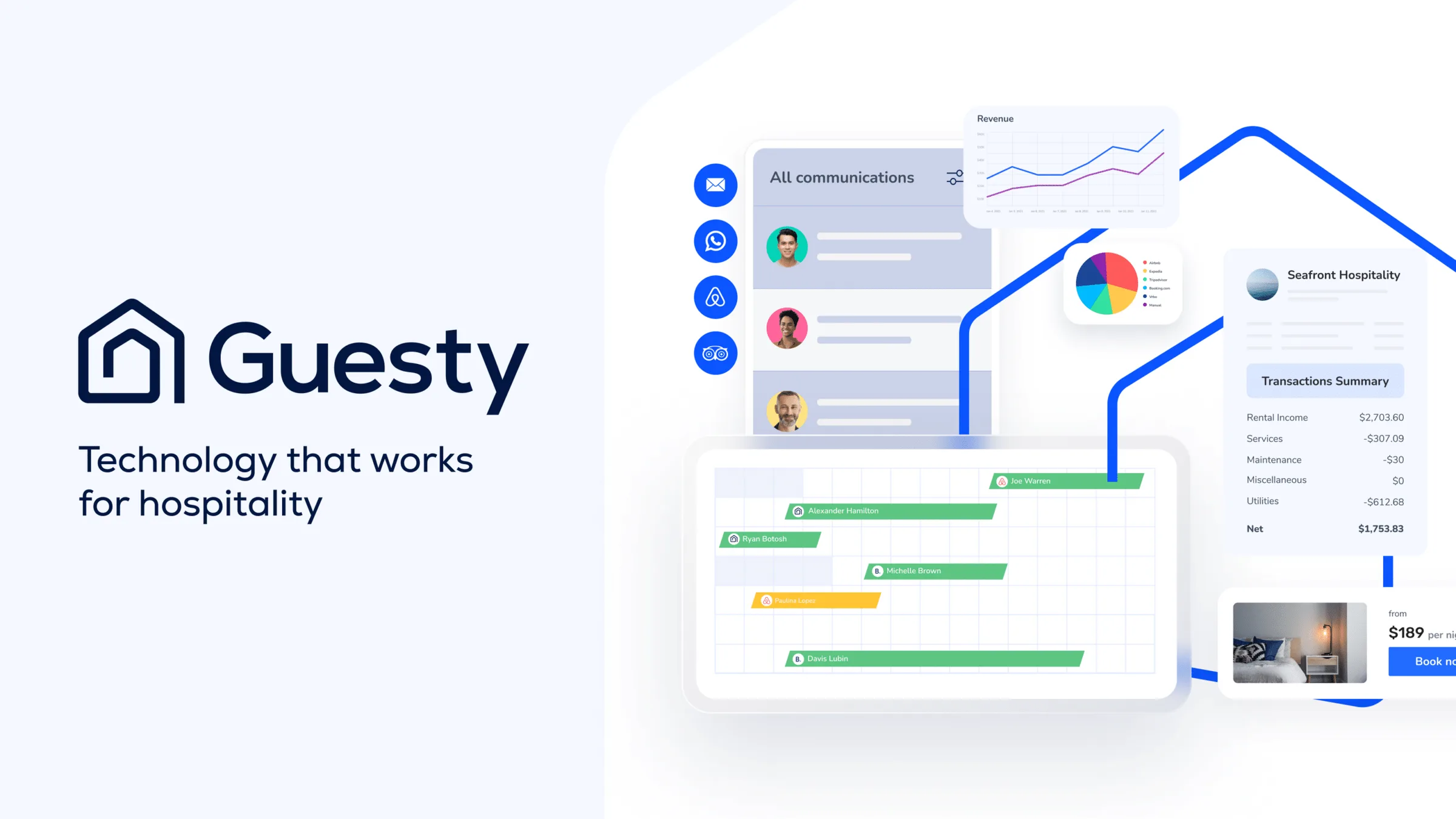
Guesty's Agent System: Revolutionizing Property Management
Discover how Guesty's AI agents transform property management, streamlining operations, enhancing guest experiences, and boosting efficiency for vacation rentals.

Why Warehouse Management Software Is the Next Frontier for AI Automation
Why Warehouse Management Software Is the Next Frontier for AI Automation
Continue exploring
Find AI agents by workflow
More in Guest Posts
Browse more articles in the Guest Posts category.
multi-site maintenance management articles
Explore more guides and insights tagged multi-site maintenance management.
multi-site facility maintenance articles
Explore more guides and insights tagged multi-site facility maintenance.
AI Agent Categories
Browse use-case pages for sales, productivity, coding, customer service, and more.
AI Agents Landscape
Explore the full directory map and compare agents by workflow and category.
Agent Skills
Find reusable skills, capabilities, and building blocks for AI agent workflows.